Dermaplaning for Smooth Skin: The Science-Backed Guide
Learn how dermaplaning removes dead skin and peach fuzz for instantly smoother skin. Science-backed benefits, aftercare tips, and expert guidance.

In this guide
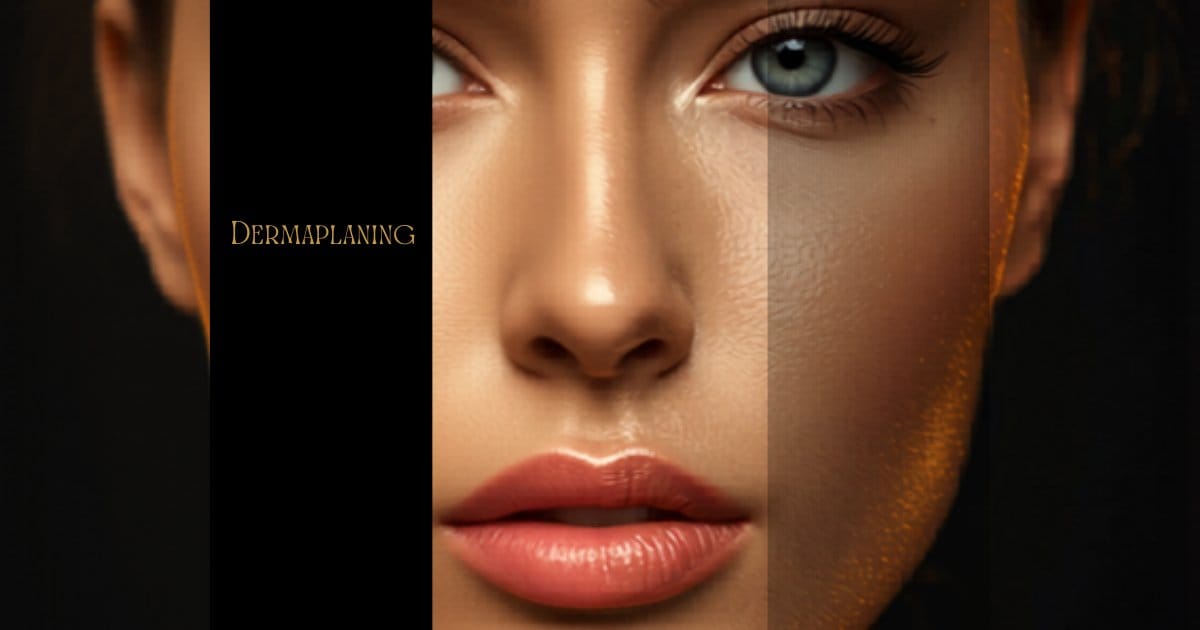
Dermaplaning has become one of the most sought-after exfoliation treatments in professional skincare - and for good reason. This non-invasive technique uses a sterile surgical blade to gently remove the outermost layer of dead skin cells and vellus hair (peach fuzz), revealing a smoother, more radiant complexion instantly.
Ready to compare product picks?
Jump to product picksUnlike chemical exfoliants that require weeks to show results or abrasive scrubs that can cause micro-tears, dermaplaning delivers immediate visible smoothness with minimal discomfort. The treatment has gained traction among dermatologists and aestheticians alike for its ability to enhance product absorption, improve makeup application, and create a flawless canvas for the skin.
Whether you are considering a professional session or exploring at-home options, understanding the science behind dermaplaning, its benefits, proper aftercare, and safety considerations is essential for achieving optimal results without compromising skin health.
TL;DR
- Instant Results: Dermaplaning removes dead skin cells and vellus hair for immediately smoother, brighter skin.
- Enhances Skincare: By eliminating the barrier of dead skin, serums and moisturizers penetrate up to 3x more effectively.
- Safe for Most Skin Types: When performed correctly, dermaplaning is suitable for all skin types except those with active acne or severe sensitivity.
- Professional vs. DIY: Professional sessions use medical-grade tools and sterile technique; at-home tools offer convenience at a lower cost.
- Maintenance Schedule: Every 4-6 weeks is the recommended frequency for maintaining results.
⛶ Fullscreen
What Is Dermaplaning? A Science-Backed Overview
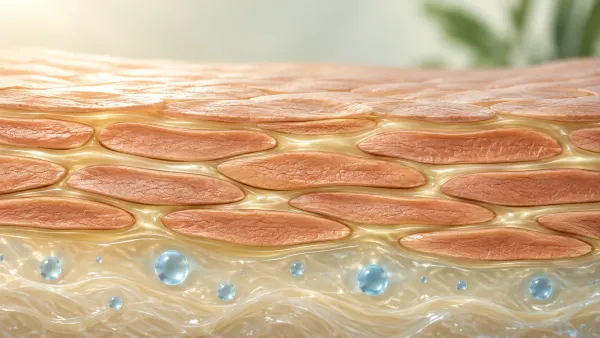
Dermaplaning is a physical exfoliation technique that uses a sterile, single-blade scalpel held at a 45-degree angle to gently scrape away the stratum corneum - the outermost layer of the epidermis - along with vellus hair. The procedure is performed by licensed aestheticians or dermatologists and typically takes 30 to 45 minutes for a full-face treatment.
The term dermaplaning is sometimes confused with dermabrasion, but the two are fundamentally different. Dermabrasion uses a high-speed rotating brush to remove deeper layers of skin and requires significant recovery time. Dermaplaning, by contrast, is superficial, non-invasive, and requires no downtime. According to the Cleveland Clinic, dermaplaning is considered a minimally invasive cosmetic procedure that can help reduce the appearance of acne scars or other skin imperfections by revealing newer, undamaged skin.
The treatment is particularly effective for individuals concerned with textural irregularities, dullness, and superficial hyperpigmentation. Because it removes both dead skin cells and fine hair, the skin's surface becomes optically smoother - light reflects more evenly, creating the appearance of a natural, healthy glow.
How Dermaplaning Differs from Other Exfoliation Methods
Understanding how dermaplaning compares to other exfoliation methods helps contextualize its unique advantages. Each approach targets the skin differently, and the best choice depends on your skin type, concerns, and tolerance.
- Chemical Exfoliation (AHAs/BHAs): Uses acids to dissolve intercellular bonds between dead skin cells. Effective but can cause stinging or irritation in sensitive skin. Results develop over weeks, not instantly.
- Microdermabrasion: Uses a device with abrasive crystals or a diamond tip to sand away the outer layer. Can be uncomfortable for sensitive skin and requires multiple sessions for noticeable results.
- Physical Scrubs: Manual granules or beads that slough off dead skin. Risk of micro-tears in the skin barrier if pressure is too aggressive. Does not remove vellus hair.
- Dermaplaning: Mechanical blade removes both dead skin and hair simultaneously. Immediate visible smoothness. No chemicals, no heat, no discomfort. Works on all skin tones without risk of post-inflammatory hyperpigmentation.
The Science of Mechanical Exfoliation
When the blade passes over the skin, it creates a controlled, even plane of exfoliation. Unlike chemical peels that penetrate to varying depths depending on pH and concentration, dermaplaning is entirely mechanical - the practitioner controls depth through angle and pressure. This makes it one of the safest exfoliation modalities when performed by a skilled professional.
A 2017 clinical study on advanced dermaplaning published in SciTechnol demonstrated the technique's utility in treating excessive cellular buildup and atopic dermatitis, noting that it instantaneously removes cellular blockage that prevents effective topical treatment applications. Research in PubMed has also positioned dermaplaning within the broader category of noninvasive rejuvenation strategies alongside oxygen therapy and light therapy.
The Key Benefits of Dermaplaning for Smooth Skin
Dermaplaning offers a unique combination of immediate cosmetic benefits and cumulative skin health improvements. Here is what the evidence and clinical experience support.
Instant Exfoliation and Smooth Texture
The most immediately noticeable benefit of dermaplaning is the dramatic improvement in skin texture. After a single session, clients typically report that their skin feels as smooth as it has ever been. This is because the blade removes the rough, irregular surface of dead skin cells that can make skin look dull and feel uneven.
Makeup application becomes significantly easier and more flawless after dermaplaning. Foundation glides on without settling into fine lines or clinging to dry patches. Many makeup artists recommend dermaplaning before major events precisely for this reason.
Enhanced Product Absorption
Dead skin cells act as a barrier that prevents active ingredients from reaching the living layers of the epidermis where they exert their effects. By removing this barrier, dermaplaning allows subsequent skincare products to penetrate more deeply and work more effectively.
This is particularly relevant for individuals using high-value serics containing vitamin C, hyaluronic acid, peptides, or niacinamide. After dermaplaning, these ingredients can reach their target cells without having to first dissolve through layers of compacted keratinocytes. The result is more visible efficacy from the same products.
Reduction in Fine Lines and Texture Irregularities
Regular dermaplaning sessions stimulate cellular turnover - the process by which old skin cells are shed and new ones rise to the surface. Over time, this accelerated turnover can help soften the appearance of fine lines, superficial acne scars, and textural irregularities caused by sun damage or aging.
While dermaplaning does not directly stimulate collagen production in the way that microneedling or laser therapy does, the removal of the dull outer layer reveals fresher, plumper skin underneath. When combined with a consistent skincare routine that includes sunscreen and antioxidants, the cumulative effects can be significant.
Dermaplaning Decision Guide01Ideal CandidateBest ResultsPotencyGentleNormal skin, no active breakouts, concerned with dullness or texture. No contraindications.02Mild SensitivityProceed with CautionPotencyGentleOccasional reactivity, rosacea-prone (not active). Requires gentle technique, shorter sessions, and a hydrating post-treatment protocol.03Active AcneNot RecommendedPotencyGentleActive inflammatory acne with pustules or cysts. Risk of spreading bacteria and exacerbating inflammation. Treat acne first.04Compromised BarrierAvoidPotencyGentleEczema, psoriasis, active dermatitis, sunburn, or any condition where the skin barrier is compromised. Heal the barrier first.Educational skincare guide. Not medical advice.
Professional Dermaplaning vs. At-Home Tools
One of the most common questions is whether to seek professional treatment or use at-home dermaplaning tools. Both options have valid use cases, and the right choice depends on your goals, budget, and comfort level.
Professional Dermaplaning
In a clinical setting, dermaplaning is performed by a licensed aesthetician or dermatologist using a sterile, medical-grade scalpel. The professional can adjust pressure and angle based on your skin's specific needs, ensuring even exfoliation across all areas of the face. Professional sessions typically cost between $75 and $200 per treatment and include pre-treatment cleansing, the procedure itself, and a hydrating mask or serum application afterward.
The sterile environment of a professional setting eliminates the risk of infection. Furthermore, a trained aesthetician can identify areas that require more or less exfoliation and can tailor the treatment to your skin's current condition.
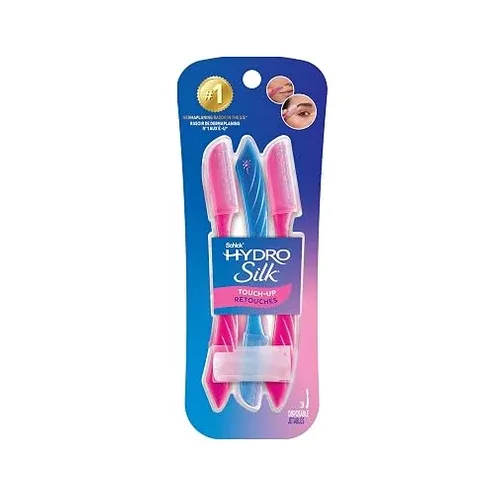
Editor's Pick
Schick Hydro Silk Touch-Up Dermaplaning Tool
A beginner-friendly dermaplaning tool with a safety cover. It fits at-home maintenance between professional sessions when you want controlled peach-fuzz removal without using a bare blade.
Watch-out: Use a fresh blade, keep pressure light, and skip at-home dermaplaning on active acne, eczema flares, or raw irritated skin.
Check on AmazonAs an Amazon Associate, we earn from qualifying purchases.
At-Home Dermaplaning
At-home dermaplaning tools have become widely available in recent years. These are typically smaller, less sharp instruments designed with safety features such as wire guards that prevent the blade from cutting too deeply. While at-home tools cannot match the precision or depth of professional treatment, they are effective for maintenance between sessions.
If you choose to dermaplane at home, follow these steps for safety:
- Start with clean, dry skin. Remove all makeup, cleanse thoroughly, and pat dry. The blade glides best on clean, dry surfaces.
- Hold the tool at a 45-degree angle. Use short, gentle strokes in the direction of hair growth. Never press hard - let the blade do the work.
- Keep the skin taut. Use your free hand to stretch the skin gently. This prevents the blade from catching or skipping.
- Use each blade only once. Reusing blades increases the risk of irritation, infection, and uneven exfoliation.
- Moisturize and apply SPF immediately afterward. Freshly exfoliated skin is more vulnerable to environmental damage and dehydration.
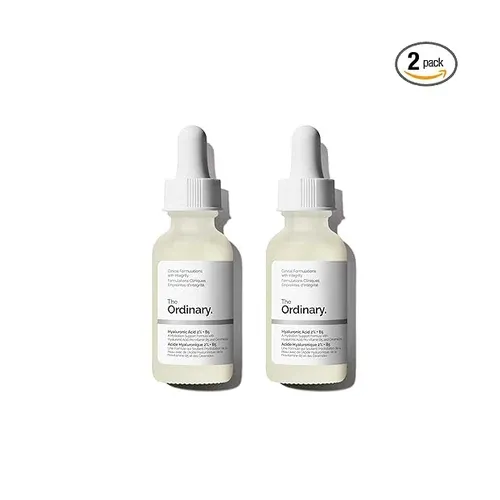
Post-Care Essential
The Ordinary Hyaluronic Acid 2% + B5
After dermaplaning, skin usually needs simple hydration before stronger actives. This HA serum fits as a lightweight post-care layer; seal it with moisturizer so freshly exfoliated skin does not feel tight.
Watch-out: Do not treat hyaluronic acid as the whole aftercare routine. Freshly exfoliated skin still needs a bland moisturizer and daily SPF.
Check on AmazonAs an Amazon Associate, we earn from qualifying purchases.
How to Prepare for a Dermaplaning Treatment
Proper preparation maximizes the benefits of dermaplaning and minimizes the risk of adverse reactions. Whether you are visiting a professional or planning an at-home session, follow these guidelines.
- Discontinue retinoids and exfoliants 3-5 days before treatment. Retinoids thin the stratum corneum, making skin more sensitive to mechanical exfoliation. AHAs, BHAs, and physical scrubs should also be paused.
- Avoid direct sun exposure and tanning. Sun-damaged or sunburned skin is too fragile for dermaplaning. Wait until any redness or peeling has fully resolved.
- Hydrate well. Well-hydrated skin responds better to exfoliation and heals faster. Drink adequate water in the days leading up to your appointment.
- Arrive with a clean face. No makeup, sunscreen, or skincare products should be on the skin at the time of treatment.
- Communicate openly with your provider. Inform them of any medications, allergies, or skin conditions. Certain prescription topical treatments may affect how your skin responds to dermaplaning.
Post-Dermaplaning Aftercare for Optimal Results
The quality of your aftercare determines how long your results last and how well your skin tolerates the treatment. Dermaplaning removes the protective stratum corneum, leaving newly exposed skin cells vulnerable to irritation, dehydration, and UV damage.
Immediate Aftercare (First 24 Hours)
- Do not touch your face. Your skin is temporarily more susceptible to bacteria. Avoid touching, rubbing, or picking at the skin.
- Apply a gentle, hydrating serum or moisturizer. Look for ingredients like hyaluronic acid, ceramides, and panthenol. Avoid anything with fragrance, alcohol, or essential oils.
- Wear SPF 50+ broad-spectrum sunscreen. This is non-negotiable. Without the stratum corneum barrier, your skin's UV protection is significantly reduced. Reapply every two hours if you are exposed to sunlight.
- Skip makeup for at least 12-24 hours. Give your skin time to calm down before applying any products, especially foundations or powders that could settle into freshly exfoliated areas.
Product Recommendations for Aftercare
Choosing the right products for post-dermaplaning care makes a meaningful difference in recovery and results. Here are the categories to focus on:
- Hydrating serums - Hyaluronic acid, glycerin, or beta-glucan based formulas that draw moisture into the skin.
- Barrier repair moisturizers - Formulations containing ceramides, niacinamide, or squalane that support the skin's lipid barrier.
- Mineral sunscreen - Zinc oxide or titanium dioxide based sunscreens are less likely to irritate freshly exfoliated skin compared to chemical filters.
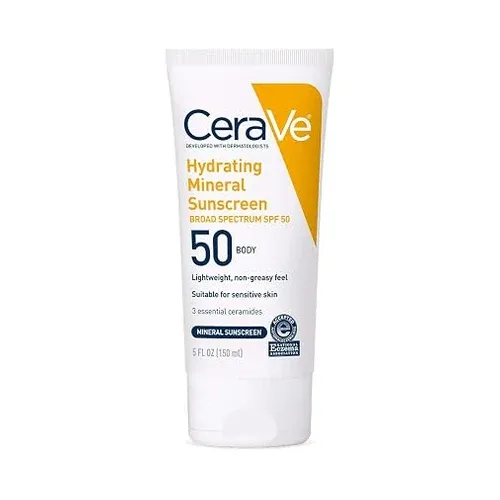
Must-Have
CeraVe Hydrating Mineral Sunscreen SPF 50
A mineral SPF 50 is a practical post-dermaplaning choice for sensitive, freshly exfoliated skin. Expect some cast from mineral filters; the tradeoff is a simpler, less sting-prone filter system.
Watch-out: Mineral sunscreens can leave a visible cast, especially on deeper skin tones. Patch-test and avoid rubbing aggressively right after treatment.
Check on AmazonAs an Amazon Associate, we earn from qualifying purchases.
Common Myths and Misconceptions About Dermaplaning
Despite its popularity, dermaplaning is surrounded by persistent myths that can deter people from trying an effective treatment. Let us address the most common ones with evidence-based clarity.
Myth: Hair Grows Back Thicker and Darker
This is the most widespread misconception about dermaplaning. The hair removed during dermaplaning is vellus hair - the fine, soft, unpigmented hair found on most areas of the face. Vellus hair is biologically different from terminal hair (the thicker, pigmented hair found on the scalp and brows). Shaving or cutting vellus hair does not alter its growth cycle, thickness, or pigmentation. When it grows back, it returns exactly as it was before. This is supported by dermatological consensus and has been confirmed by the Cleveland Clinic.
Myth: Dermaplaning Is Painful
Dermaplaning is not painful when performed correctly. Most clients describe the sensation as a light scratching or tickling feeling. The blade only contacts the outermost layer of dead skin cells and fine hair - it does not penetrate living tissue. Any discomfort usually indicates either overly aggressive technique or skin that was not properly prepared.
Myth: Dermaplaning Is Unsafe for Darker Skin Tones
Unlike laser hair removal or certain chemical peels that carry a risk of post-inflammatory hyperpigmentation in melanin-rich skin, dermaplaning is safe for all skin tones. Because the blade does not target melanin and does not generate heat, there is no risk of pigmentary changes when the procedure is performed correctly by a trained professional.
How Often Should You Dermaplane?
The typical recommendation is every 4 to 6 weeks. This aligns with the skin's natural cell turnover cycle - it takes approximately 28 to 42 days for new skin cells to migrate from the basal layer to the surface and become ready for exfoliation.
Dermaplaning more frequently than every 3 weeks can compromise the skin barrier and lead to increased sensitivity, dehydration, and reactivity. Less frequent sessions may not maintain the desired level of smoothness. Adjust the frequency based on your skin's response and your aesthetic goals.
For maintenance, many clients alternate between professional treatments every 6-8 weeks and gentle at-home touch-ups in between. This approach balances cost, convenience, and skin health.
Frequently Asked Questions About Dermaplaning
Does dermaplaning cause acne?No, dermaplaning does not cause acne when performed correctly on healthy skin. However, if you have active inflammatory acne, the blade can spread bacteria across the surface and exacerbate breakouts. Always treat active acne before considering dermaplaning.Can I wear makeup after dermaplaning?It is best to wait 12-24 hours before applying makeup after dermaplaning. Your skin needs time to calm down and begin its natural barrier repair process. When you do apply makeup, use clean brushes or sponges and choose lightweight, non-comedogenic formulas.Will dermaplaning help with acne scars?Dermaplaning can help reduce the appearance of superficial acne scars by removing the irregular top layer of skin and promoting cell turnover. However, deeper ice-pick or boxcar scars typically require more intensive treatments such as microneedling, laser resurfacing, or chemical peels for significant improvement.Is dermaplaning safe during pregnancy?Yes, dermaplaning is considered safe during pregnancy. Because it is a purely mechanical exfoliation method, it avoids the active ingredients (such as retinoids or high-concentration salicylic acid) that are contraindicated during pregnancy. However, skin can be more sensitive during pregnancy, so a patch test is recommended.How long do dermaplaning results last?The immediate smoothness and glow from dermaplaning typically last 2 to 3 weeks. After that, dead skin cells begin to accumulate again, and vellus hair regrows to its original length. Regular sessions every 4-6 weeks maintain optimal results.
This article is for informational purposes only and does not replace professional dermatological advice.