The Best Sunscreens for Teens: A Science-Backed Guide for Every Skin Type
A science-backed guide to the best sunscreens for teens — mineral vs chemical, broad-spectrum protection, and the four formulas dermatologists recommend most for teen skin.
In this guide
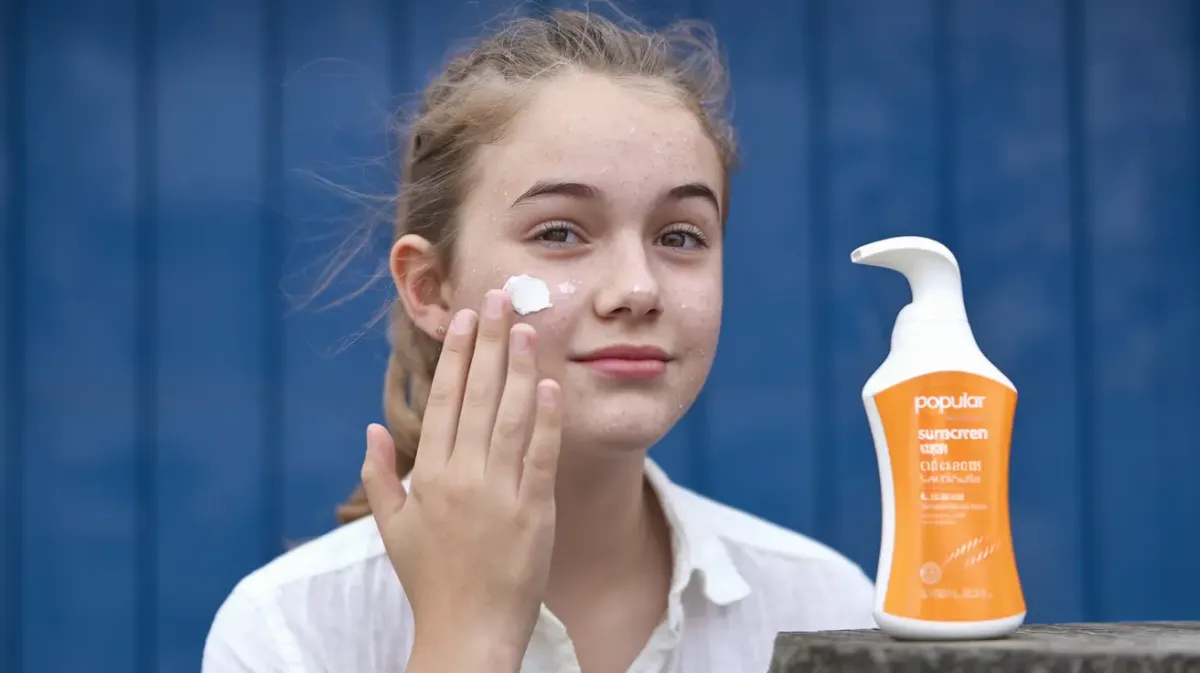
Finding the best sunscreens for teens feels overwhelming when every product promises "broad-spectrum protection" and "gentle enough for sensitive skin." The truth is simpler than the marketing. The right sunscreen for a teenager is one they will actually wear every single day.
Teens have unique needs: oilier, acne-prone or sensitive skin, hormonal breakouts, sports and outdoor activity, and a higher lifetime exposure to UV than any previous generation. A sunscreen that pills under makeup, burns their eyes, or breaks them out gets abandoned by week two. The wrong formula also gets stored in a locker and forgotten.
This science-backed guide breaks down what dermatologists, the American Academy of Dermatology, the Skin Cancer Foundation, and recent peer-reviewed research actually say about teen sun protection - without the hype, the prices, or the guesswork.
Why Teen Sunscreen Is Non-Negotiable
The case for daily sunscreen in adolescence is not soft. According to the CDC, the majority of a person's lifetime UV exposure happens before age 18. A single severe sunburn in childhood or adolescence can roughly double the lifetime risk of melanoma, the deadliest form of skin cancer.
What most teens (and parents) do not realize is that everyday damage is cumulative, not just sunburn-driven:
- UVA rays penetrate clouds, glass, and the deeper layers of skin. They are responsible for premature aging, collagen breakdown, and most hyperpigmentation.
- UVB rays are the primary cause of sunburn and play a direct role in DNA damage that can lead to skin cancer.
- Both types are present year-round, even on overcast days, and they penetrate through car windows and classroom skylights.
The good news: daily sunscreen use during the teen years has been shown in long-term studies to cut the lifetime risk of melanoma by approximately 50%. That is one of the highest-impact prevention numbers in any area of adolescent health.
SPF, Broad-Spectrum, and What the Numbers Actually Mean
SPF (Sun Protection Factor) measures how much UVB radiation a sunscreen filters out. It is not a "strength" rating - it is a time multiplier relative to unprotected skin.
| SPF Rating | UVB Filtered | Practical Use |
|---|---|---|
| SPF 15 | ~93% of UVB | Insufficient for daily protection. Below AAD recommendation. |
| SPF 30 | ~97% of UVB | AAD minimum for daily use. Solid baseline for most teens. |
| SPF 50 | ~98% of UVB | Recommended for fair skin, intense sun exposure, sports, and beach days. |
| SPF 50+ / 100 | ~98-99% of UVB | Marginal gain over SPF 50. Useful for very high-intensity or extended exposure. |
The often-misunderstood detail: no sunscreen blocks 100% of UV rays, and high-SPF products often create a false sense of security. The most common reason sunscreen "fails" is not the SPF number - it is under-application and missed reapplication.
For UVA protection, look for the words "broad-spectrum" on the label. In the U.S., the FDA requires that claim to meet a specific critical-wavelength test. In Europe and Asia, you will often see a separate UVA logo (a circle with "UVA" inside) and a PA rating system.
| Region | UVA Label | Meaning |
|---|---|---|
| United States | "Broad-Spectrum" | Critical wavelength ≥ 370 nm, proportional UVA-to-UVB protection. |
| European Union | UVA Circle Logo | UVAPF ≥ 1/3 of labeled SPF, stricter UVA threshold than U.S. |
| Asia (Japan, Korea) | PA+ / PA++ / PA+++ / PA++++ | More + signs = higher UVA protection. PA++++ is the highest tier. |
Mineral vs. Chemical Sunscreen: What Teens Should Use
This is the single most important formulation choice for teen skin. The two main filter categories work in completely different ways, and the difference matters when skin is acne-prone, sensitive, or freshly exfoliated.
| Property | Mineral (Physical) | Chemical (Organic) |
|---|---|---|
| Active Filters | Zinc oxide, titanium dioxide | Avobenzone, octinoxate, oxybenzone, homosalate, octisalate |
| How It Works | Sits on the skin's surface and reflects/scatters UV. | Absorbs into the skin and converts UV into heat. |
| Onset | Protective immediately after application. | Needs ~15-20 minutes to bind to skin before exposure. |
| Sensitive Skin | Rarely irritates. Best for eczema, rosacea, acne. | Can sting eyes, trigger breakouts, or cause contact dermatitis. |
| Texture | Traditionally thicker; modern formulas are lightweight. | Usually thinner, more elegant under makeup. |
| Reef Safety | Reef-safe (no coral impact). | Oxybenzone and octinoxate are banned in some regions. |
For most teens - especially those with acne, sensitive skin, or darker skin tones prone to hyperpigmentation - a well-formulated mineral sunscreen is the safer and smarter default. The classic downsides (white cast, thick texture) have been largely solved by modern micronized zinc formulas.
Comedogenic Rating: Why It Matters for Teen Skin
Teen skin is, on average, more sebum-active than adult skin. A sunscreen that blocks UV but clogs pores is doing half its job. Comedogenic ratings estimate how likely an ingredient is to clog pores (scale 0-5, where 0 = non-comedogenic and 5 = highly comedogenic).
| Filter / Ingredient | Comedogenic Rating | Recommendation for Acne-Prone Teens |
|---|---|---|
| Zinc Oxide | 0 | Excellent. Non-comedogenic and often anti-inflammatory. |
| Titanium Dioxide | 0 | Excellent. Often combined with zinc in mineral formulas. |
| Avobenzone | 0-1 | Low risk. Common in chemical broad-spectrum formulas. |
| Octisalate | 2 | Mild risk. Use with caution on breakout-prone skin. |
| Homosalate | 2-3 | Moderate risk. Can contribute to clogged pores in some users. |
The takeaway: a sunscreen built around zinc oxide and titanium dioxide is the lowest-risk option for acne-prone teen skin, and is the same filter chemistry pediatric dermatologists recommend for teens with eczema, rosacea, or post-acne marks.
How to Choose the Best Sunscreen for Your Teen's Skin Type
There is no single "best" sunscreen for all teens. There is only the best sunscreen for a specific skin type, climate, and routine. The decision tree below maps the most common teen skin profiles to the formula that fits them best.
The Best Sunscreens for Teens: A Curated Shortlist
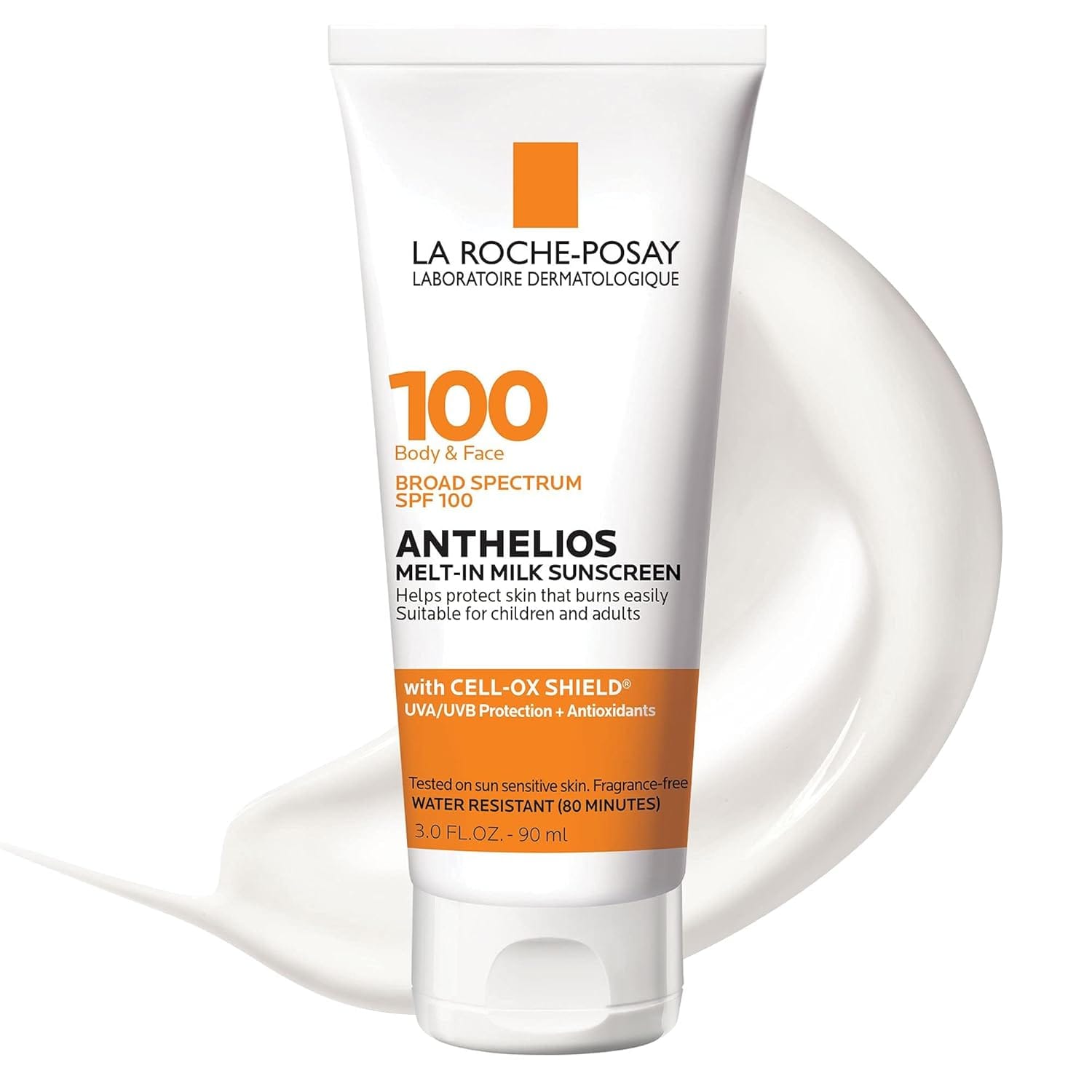
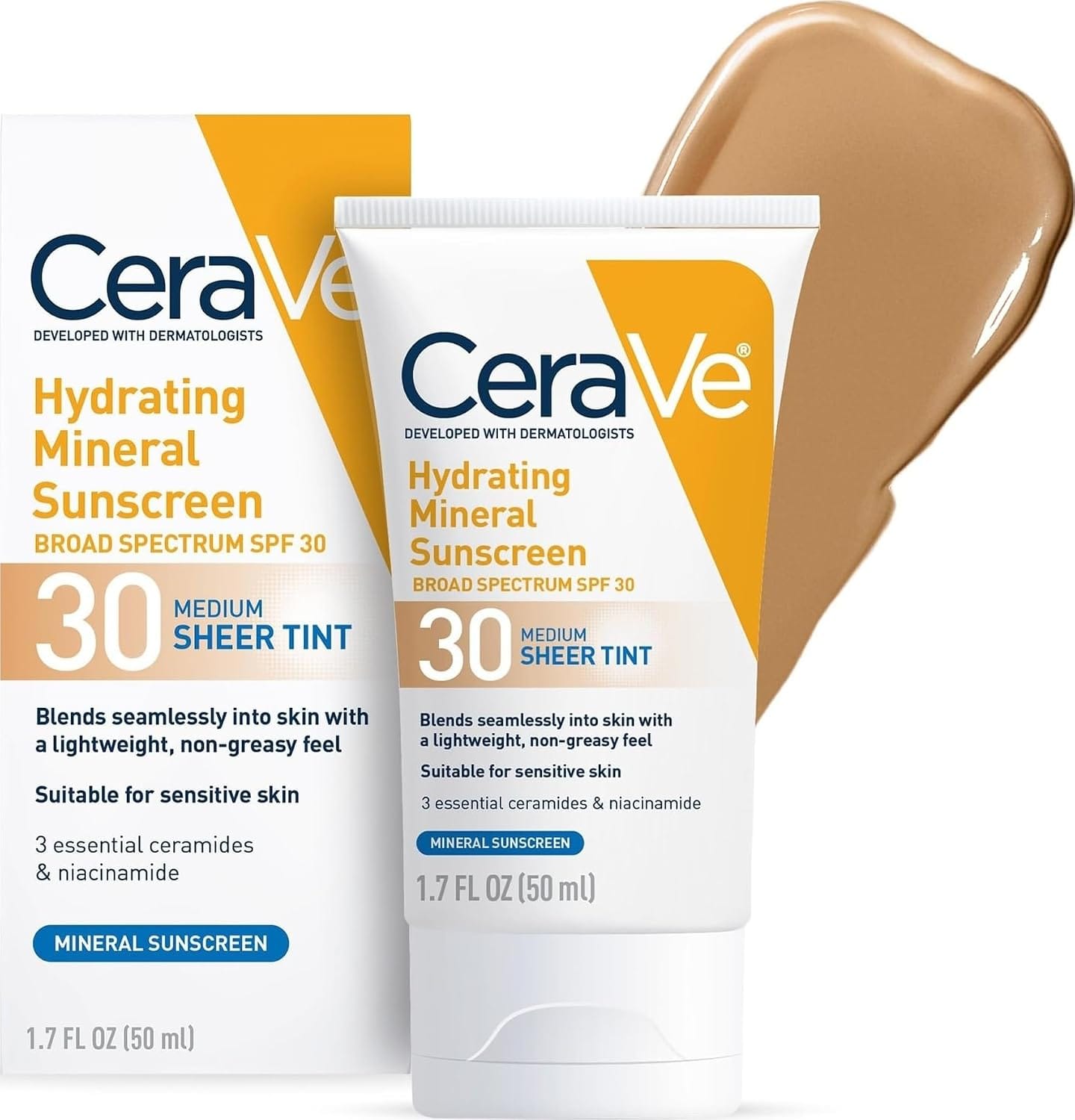
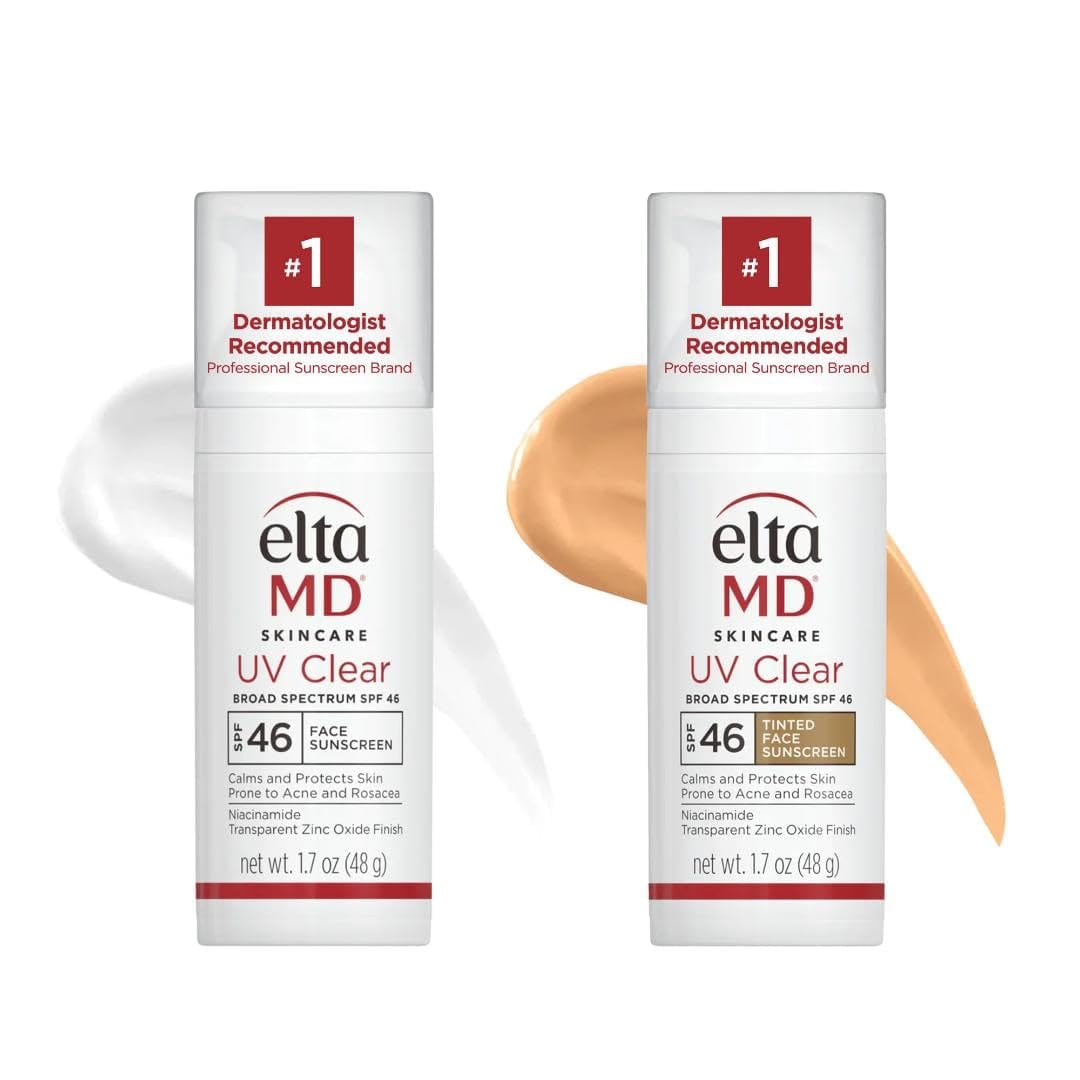
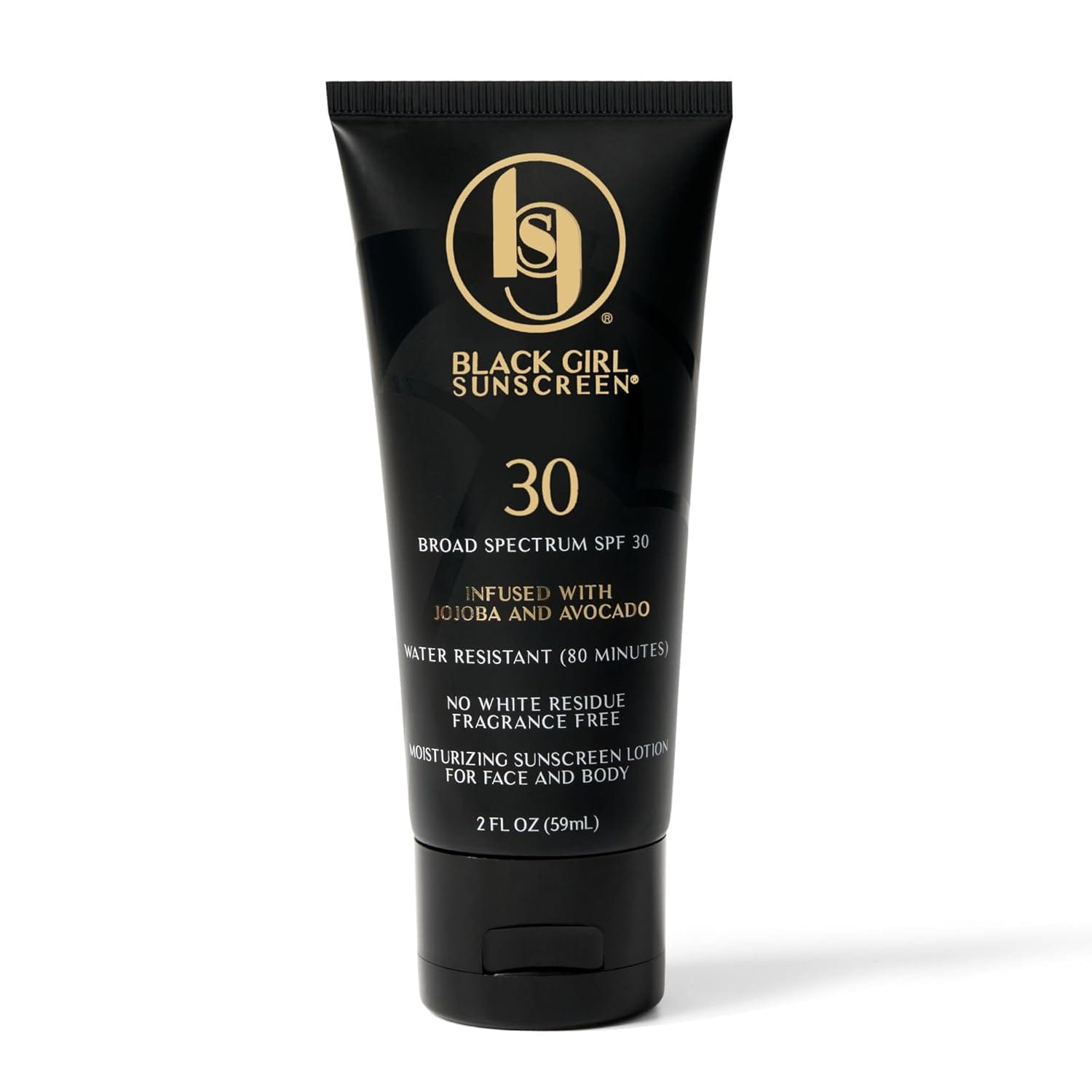
After weighing filter chemistry, texture, comedogenicity, and broad-spectrum protection against the recommendations of the AAD, the Skin Cancer Foundation, and the American Academy of Pediatrics, these four formulas consistently rise to the top for teen use. Together they cover high-SPF chemical protection, mineral/tinted mineral options, acne-prone skin, and melanin-rich skin without sending readers to generic Amazon search pages.

How to Apply Sunscreen the Right Way
Even the best sunscreen fails when applied incorrectly. The most common mistake is using too little - studies consistently show people apply only 25-50% of the tested amount, which drops real-world SPF protection by a third or more.

- Apply two finger-lengths of sunscreen - one stripe down the index and middle finger - to cover the face, ears, and neck.
- Apply 15 minutes before sun exposure so the formula can bind to the skin (especially important for chemical sunscreens).
- Use the teaspoon rule for the body: 1 teaspoon per arm, 2 teaspoons per leg, 2 teaspoons for torso and back.
- Reapply every 2 hours - and immediately after swimming, sweating, or towel-drying.
- Do not forget the missed spots: ears, back of the neck, the tops of the feet, and the lips (use an SPF 15+ lip balm).

Make Sunscreen a Non-Negotiable Part of the Morning Routine
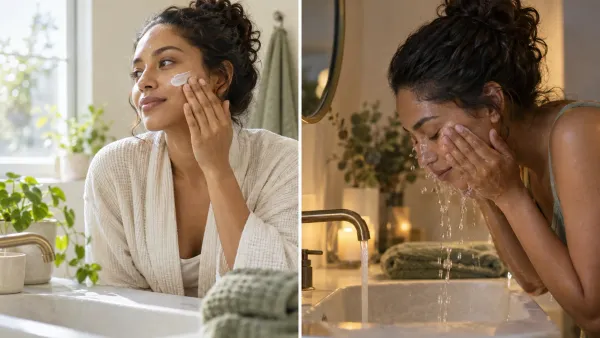
Apply mineral sunscreen as the final step of your morning routine - after moisturizer, before makeup. The order matters: any skincare applied after sunscreen can dilute the protective film and reduce efficacy. For teens who wear makeup, look for a mineral SPF that doubles as a primer, or use a setting powder with SPF for midday touch-ups.
If the layer underneath SPF feels too greasy or too dry, use our teen moisturizer guide to match a gel, lotion or cream to the skin before judging the sunscreen.
Common Sunscreen Mistakes Teens Should Avoid
After reviewing the most common product complaints, dermatologist notes, and behavioral research on sunscreen adherence, the same five mistakes appear again and again:
- Using last year's bottle. Sunscreen loses potency. The FDA requires it to remain effective for three years - if there is no expiration date and it has been open for more than 12 months, replace it.
- Skipping cloudy days. Up to 80% of UV rays pass through clouds. Daily use is non-negotiable, year-round.
- Relying on makeup with SPF. Most SPF foundations and BB creams are applied at a fraction of the tested amount. They are a bonus layer, not a substitute.
- Mixing sunscreens. Layering two different SPFs does not add the numbers together - you get the protection of whichever was applied last in adequate amount.
- Stopping at the jawline. The ears, neck, and the V of the chest are some of the most sun-exposed and most overlooked areas on a teen.
Why Sunscreen Is the Single Best Anti-Aging Product for Teens
This may be the most important section of this guide. According to long-term research, up to 80% of visible skin aging is caused by UV exposure - not by genetics or "just getting older." The wrinkles, sun spots, and loss of elasticity that adults spend thousands reversing are largely preventable with one daily habit started in adolescence.
Beyond appearance, CDC data shows that consistent sunscreen use during the teen years:
- Cuts the lifetime risk of melanoma by up to 50%
- Reduces the risk of non-melanoma skin cancer by approximately 40%
- Prevents UV-driven hyperpigmentation, especially important for darker skin tones
- Preserves collagen density and skin firmness well into adulthood
In other words, the single most cost-effective anti-aging "investment" a teen can make is a daily broad-spectrum mineral sunscreen. No serum, retinoid, or moisturizer comes close in long-term payoff. If you want to support your teen's skin routine with a complete regimen, our guides on the best serums for teenage skin, gentle cleansers for teens, and effective spot treatments for teen acne pair naturally with the products above. For teens also dealing with breakouts, our complete teenage acne treatment guide walks through severity-based options, and for darker skin tones noticing UV-driven dark spots, our skincare guide for darker skin covers ingredients and habits that work without ash, white cast, or irritation. If your teen's skin is reactive or recently over-exfoliated, do not skip the skin barrier repair protocol - sunscreen is most effective on a calm, intact barrier.
The Bottom Line: Build One Sun-Safe Habit
You do not need ten products or a complicated routine. You need one broad-spectrum SPF 30+ mineral sunscreen, applied every morning as the last step of skincare, and reapplied every 2 hours during outdoor activity.
Choose the formula that fits your teen's skin type, store it next to their toothbrush or school bag, and use it. Consistency is the entire game. The teen years are when the habit gets built - and when the lifetime payoff is largest.
Frequently Asked Questions About Teen Sunscreen
What SPF is best for teenagers?
Is mineral or chemical sunscreen better for teens?
Do teens with darker skin tones need sunscreen?
How often should teens reapply sunscreen?
Can sunscreen expire or go bad?
This article is for informational purposes only and does not replace professional dermatological advice. For persistent breakouts, allergic reactions, painful sunburns, or any change in a mole or skin lesion, please consult a board-certified dermatologist.