Best Vitamin C Serums 2026: Science-Backed Picks That Outperform the Rest
Science-backed guide to the best vitamin C serums for 2026. Compare L-ascorbic acid, derivatives, and expert picks for every skin type.
In this guide
I've spent years watching trends come and go in the skincare world, but if there is one ingredient that truly earns its keep on your shelf, it is vitamin C. The challenge isn't finding a product - the challenge is finding the best vitamin C serum that actually stays stable, penetrates your skin, and delivers results without causing irritation. Most serums oxidize in the bottle before they ever touch your face. Let's fix that confusion.
This guide covers the science behind vitamin C, how to choose the right form for your skin type, and the top serums that deliver real results. For a complete anti-aging strategy, explore our guide to anti-aging ingredients.
TL;DR - Best Vitamin C Serums
- Gold Standard: 15-20% L-ascorbic acid + ferulic acid + vitamin E for maximum stability and efficacy
- For sensitive skin: Avoid LAA. Use Sodium Ascorbyl Phosphate or THD Ascorbate derivatives
- pH rule: L-ascorbic acid needs pH below 3.5 to penetrate the skin barrier
- Storage: Keep in cool, dark place. If serum turns dark orange, it has oxidized
- Application: Apply to dry, clean skin in the morning before sunscreen
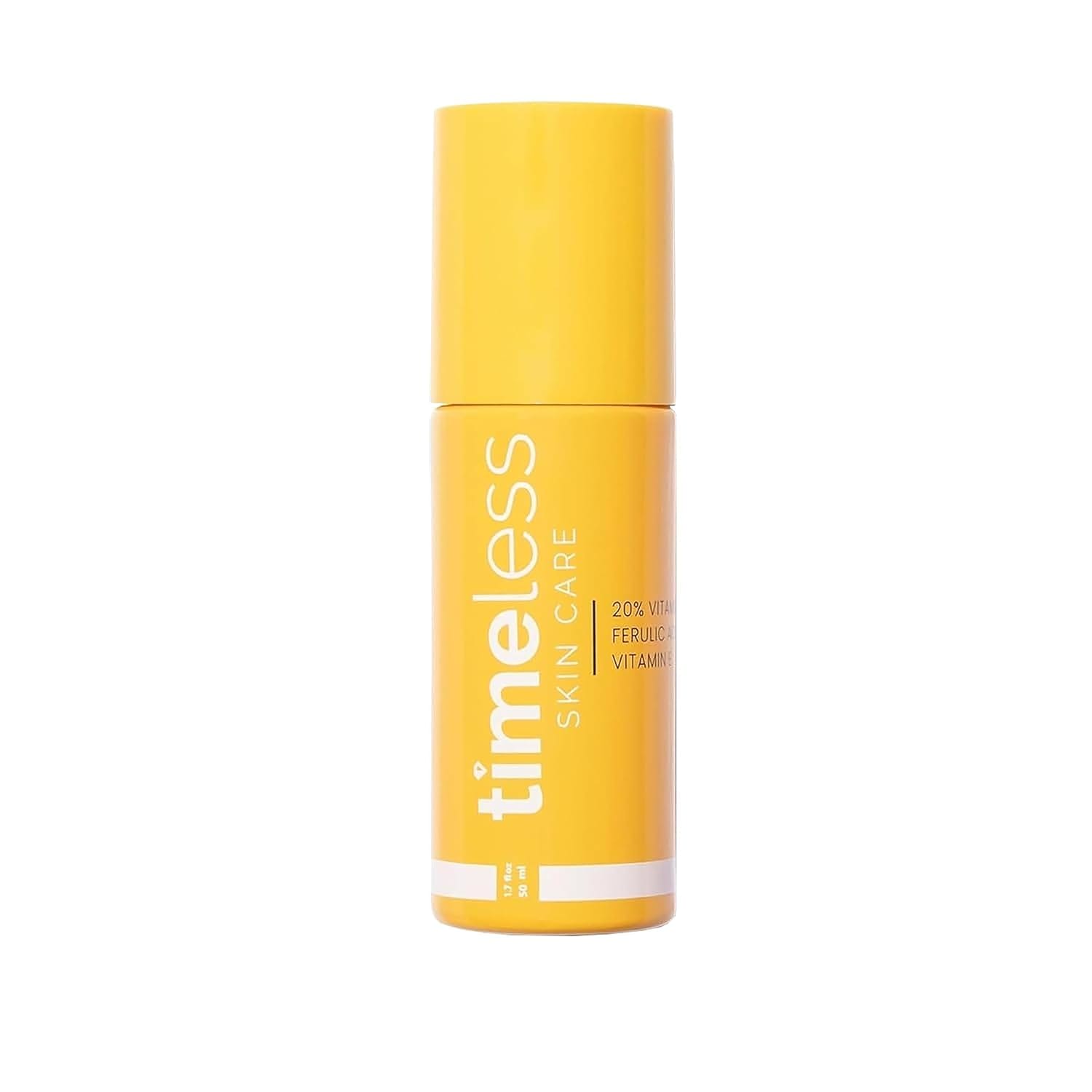
- Amazon pick: Timeless C+E Ferulic is the shoppable CE-ferulic option; SkinCeuticals remains the clinical benchmark.
The Skin Insider
Consumers often buy the highest percentage available (25% or 30%) assuming more is better. In reality, once you cross 20%, skin absorption channels become saturated. The excess oxidizes on your face, potentially causing free radical damage instead of preventing it. The best vitamin C serum isn't the strongest one - it's the most elegant delivery system.
How Vitamin C Actually Works
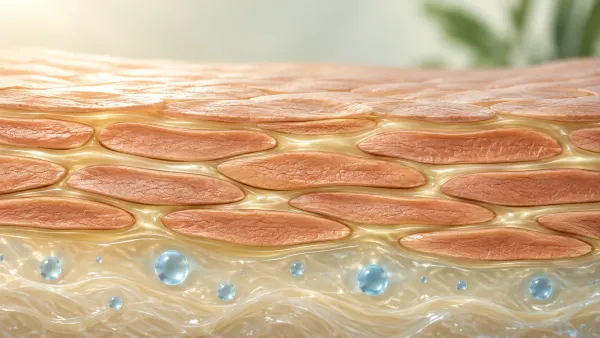
Vitamin C isn't just a brightener. It is a potent antioxidant that neutralizes free radicals generated by UV rays and pollution. When your skin is exposed to sunlight, oxidative stress breaks down collagen and leads to uneven pigmentation. Topical vitamin C intercepts this process before the damage becomes permanent. A review in PubMed confirms that topical vitamin C stimulates collagen synthesis, provides photoprotection, and lightens hyperpigmentation.
However, not all vitamin C is created equal. The most researched form is L-ascorbic acid (LAA). It is the most potent, but also the most unstable. It requires a specific acidic environment to work.
The Science of Absorption
For L-ascorbic acid to penetrate the skin barrier, the formula must have a pH of 3.5 or lower. If the pH is too high, the molecule sits on the surface and does nothing. If the concentration exceeds 20%, absorption plateaus and irritation spikes without added benefit. The Duke University studies on topical vitamin C established that 15-20% L-ascorbic acid with vitamin E and ferulic acid provides the optimal balance of efficacy and tolerability.
| Vitamin C Form | Potency | Best For | Irritation Risk |
|---|---|---|---|
| L-Ascorbic Acid (LAA) | High | Normal/Oily, experienced users | High |
| Sodium Ascorbyl Phosphate | Moderate | Acne-prone, sensitive skin | Low |
| Magnesium Ascorbyl Phosphate | Moderate | Dry, sensitive skin | Low |
| Tetrahexyldecyl Ascorbate | High | All skin types (oil-soluble) | Low |
| Ascorbyl Glucoside | Low-Moderate | Sensitive skin | Very Low |
The Optimizer's Edge
Vitamin C and niacinamide can be used together. Old myths claimed they neutralized each other or caused flushing, but modern stabilized forms and correct pH formulation allow them to work synergistically for brightening and barrier support. Two critical factors most guides miss: (1) The oxidation clock - vitamin C degrades upon exposure to light and air. If your LAA serum turns dark orange or brown, discard it. (2) The barrier check - if you are repairing a damaged barrier, high-strength LAA will aggravate it. Stabilize with ceramides first. Our guide on skin barrier repair covers this in detail.
How to Choose the Right Serum for Your Skin
Choosing the best vitamin C serum comes down to your skin tolerance and primary concern.
- For Hyperpigmentation: Pure L-ascorbic acid (15-20%) combined with tyrosinase inhibitors like kojic acid or alpha arbutin
- For Anti-Aging: LAA combined with vitamin E and ferulic acid - clinically proven to multiply antioxidant protection up to 4x
- For Acne-Prone Skin: Sodium Ascorbyl Phosphate - converts to ascorbic acid with inherent antimicrobial properties
- For Sensitive Skin: Magnesium Ascorbyl Phosphate or THD Ascorbate - effective without the low pH requirement
| Skin Condition | Recommended Form | Ideal Dosage |
|---|---|---|
| Normal / Resilient | L-Ascorbic Acid | 15% |
| Oily / Acne-Prone | Sodium Ascorbyl Phosphate | 5-10% |
| Sensitive / Rosacea | Magnesium Ascorbyl Phosphate | 5-10% |
| Dry / Dehydrated | Tetrahexyldecyl Ascorbate | 1-3% |
| First Time User | Ascorbyl Glucoside | 10-12% |
Top 7 Vitamin C Serums That Deliver
Based on formulation science, stability, and real-world results.
1. The Gold Standard Benchmark: SkinCeuticals C E Ferulic
SkinCeuticals is the benchmark against which many vitamin C serums are measured. Because I could not verify a clean direct Amazon product page for the authentic SkinCeuticals serum, the Amazon product card below uses Timeless as the shoppable C+E ferulic option instead of pretending a lookalike is the same product.
- Best for: Normal, dry, and sensitive skin types looking for maximum efficacy
- Key Stats: 15% LAA, pH <3.5, clinical data supporting efficacy
2. Best for Potency: Allies of Skin 35% Vitamin C Perfecting Serum
This waterless formula uses a high concentration of vitamin C (35%) but balances it with soothing botanicals and glutathione. Designed for those who want aggressive brightening without the typical irritation associated with high-strength LAA.
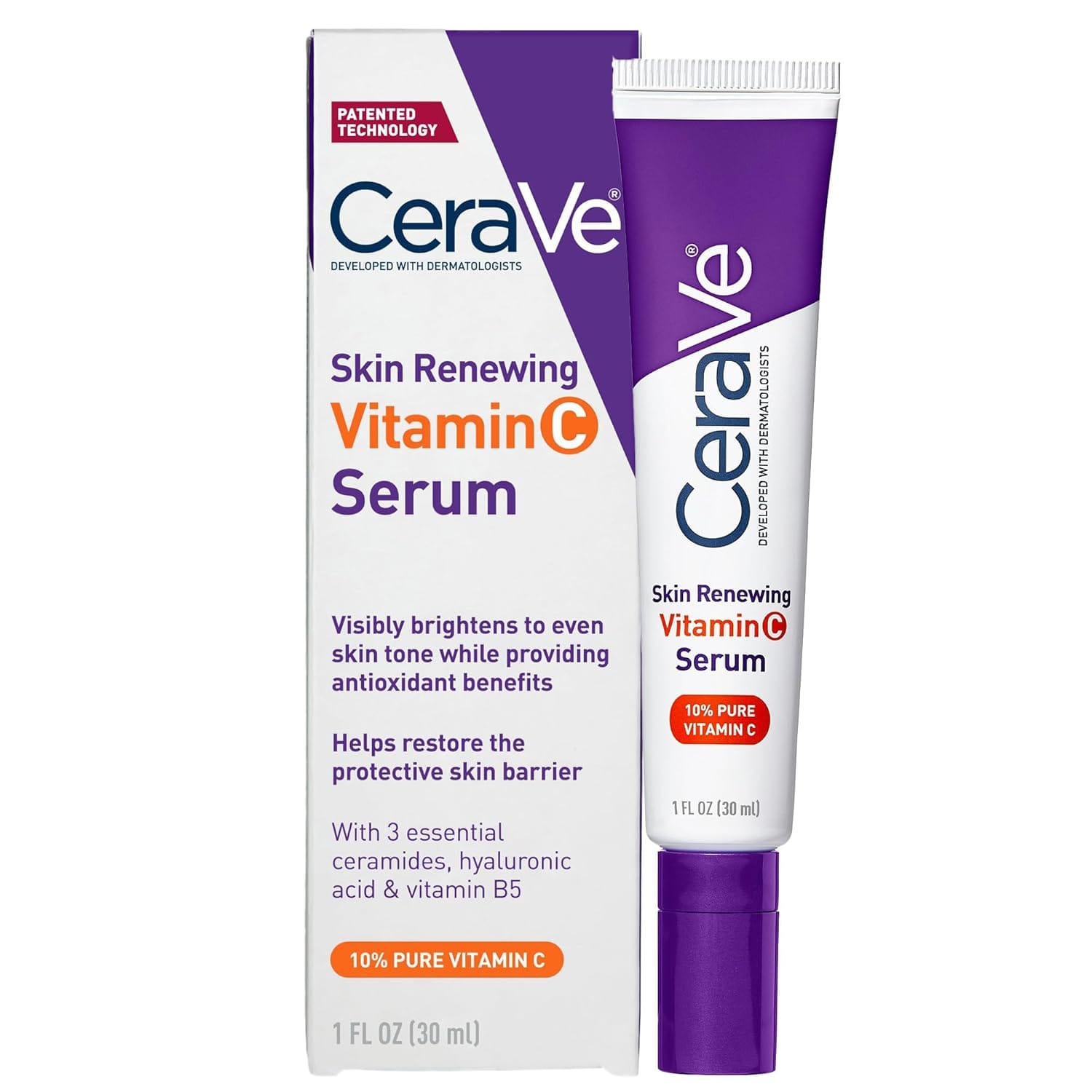
3. Best Budget Pick: CeraVe Renewing Vitamin C Serum
CeraVe proves you don't need to spend over $100 to get results. This serum uses 10% pure vitamin C combined with ceramides to protect the skin barrier. It includes hyaluronic acid and vitamin B5 for hydration. The opaque packaging helps preserve potency.
4. Best for Sensitive Skin: La Roche-Posay Pure Vitamin C Face Serum
La Roche-Posay uses neurosensine (a dipeptide) to soothe the skin while delivering 10% pure vitamin C. This makes it one of the few LAA serums that sensitive skin types can tolerate. Lightweight, fast-absorbing texture.
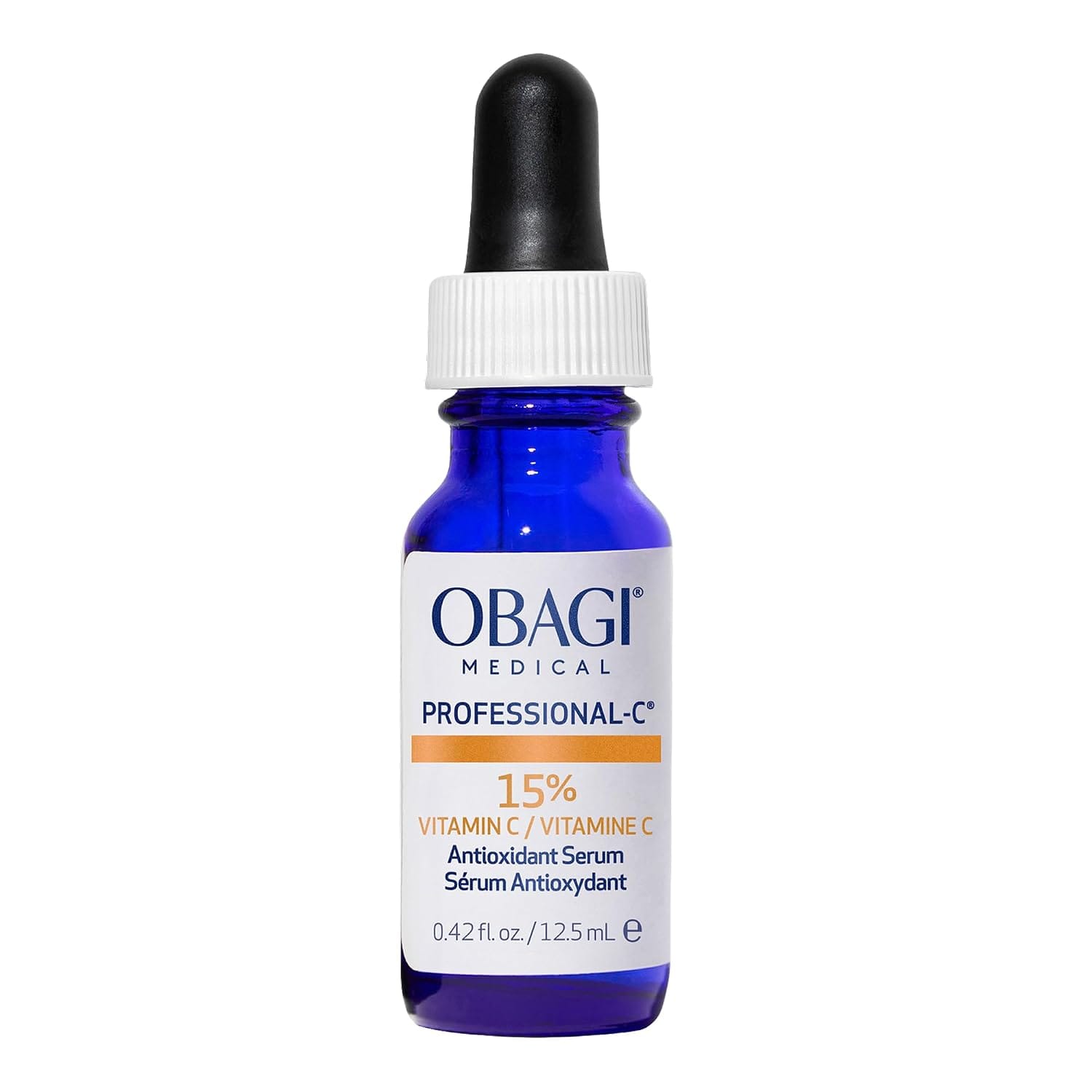
5. Best for Oily Skin: Obagi Professional-C Serum 20%
Obagi's formula is anhydrous (water-free), which helps stability. The 20% concentration is potent and ideal for oily skin that can handle a stronger active. It penetrates deeply to address discoloration and rough texture.
6. Best Natural Option: TruSkin Vitamin C Serum
TruSkin blends vitamin C with hyaluronic acid, vitamin E, witch hazel, and jojoba oil. A favorite for those who prefer botanical formulations. The texture is slightly tackier than clinical options, but brightening results are consistent.
7. Best for Dry Skin: Sunday Riley C.E.O. 15% Vitamin C Serum
This serum combines THD Ascorbate (an oil-soluble derivative) with sugar-derived glycolic acid. Elegant and non-drying, perfect for dehydrated skin types who need glow without tightness.
Common Mistakes (And How to Fix Them)
Using the best vitamin C serum correctly is just as important as buying it.
| Mistake | The Fix |
|---|---|
| Applying to damp skin | Water alters the pH of L-ascorbic acid. Apply to completely dry skin to avoid stinging and ensure penetration. |
| Storing in the bathroom | Heat and humidity accelerate oxidation. Store in a drawer or the fridge. |
| Mixing with Retinol immediately | Use vitamin C in the morning and retinol at night. See our AM and PM routine guide. |
| Expecting overnight results | Vitamin C works by cumulative protection. Expect visible brightening in 4-6 weeks, not 4 days. |
Vitamin C Forms - Visual Comparison
Application Tips for Best Results
Using vitamin C correctly is just as important as choosing the right formulation.
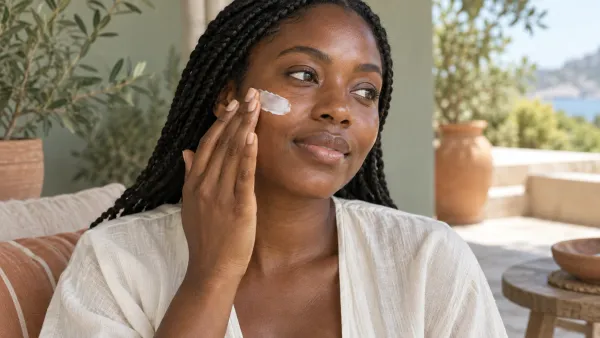
- Apply to dry skin: Water alters the pH of L-ascorbic acid. Pat your face completely dry after cleansing, wait 30 seconds, then apply
- Use in the morning: Vitamin C provides antioxidant protection throughout the day. Apply before sunscreen for maximum benefit
- Layer correctly: Vitamin C → niacinamide → moisturizer → SPF 30+
- Seal the bottle: Exposure to air accelerates oxidation. Close the cap tightly after each use
- Watch for color change: A clear or pale yellow serum is active. Dark orange or brown means oxidized - discard
The Optimizer's Edge
The best vitamin C serum is the one you use consistently. A 10% LAA serum used daily outperforms a 20% serum stored in a sunny bathroom and used sporadically. Focus on stability and consistency over concentration. And never forget: vitamin C protects, but sunscreen prevents - they are a team, not competitors. For a complete anti-aging routine, see our retinol guide and professional facial guide by age.
⏱ What to Expect
Individual results vary. Consistent daily use is required for visible outcomes.
Your Clear Skin Checklist
- Step 1: Choose the correct form based on your skin type - LAA for resilient skin, SAP for sensitive/acne-prone.
- Step 2: Apply 3-4 drops to dry, clean skin every morning. Wait 2 minutes before next layer.
- Step 3: Always follow with broad-spectrum SPF 30+ sunscreen. Store in a cool, dark place away from sunlight.
Conclusion
Vitamin C is one of the most evidence-backed ingredients in skincare, with decades of clinical research supporting its role in collagen synthesis, antioxidant protection, and hyperpigmentation reduction. The key to success is choosing the right formulation for your skin type, storing it correctly, and using it consistently every morning.
For a complete anti-aging strategy, explore our complete anti-aging skincare guide and our breakdown of best retinol serums. Vitamin C in the morning and retinol at night form the foundation of an evidence-based anti-aging routine.
Frequently Asked Questions About Vitamin C Serums
Can I use vitamin C serum every day?
Does vitamin C serum expire?
Can I use vitamin C with retinol?
Is vitamin C safe for sensitive skin?
How long does it take for vitamin C serum to work?
This article is for informational purposes only and does not replace professional dermatological advice. If you have persistent skin concerns, consult a board-certified dermatologist.