Cryotherapy for Skin Rejuvenation: Evidence-Based Guide to Benefits, Risks & Options
Evidence-based guide to cryotherapy for skin rejuvenation. Learn how cryo facials work, what the research shows, types of treatments, risks, and when to use them.
In this guide
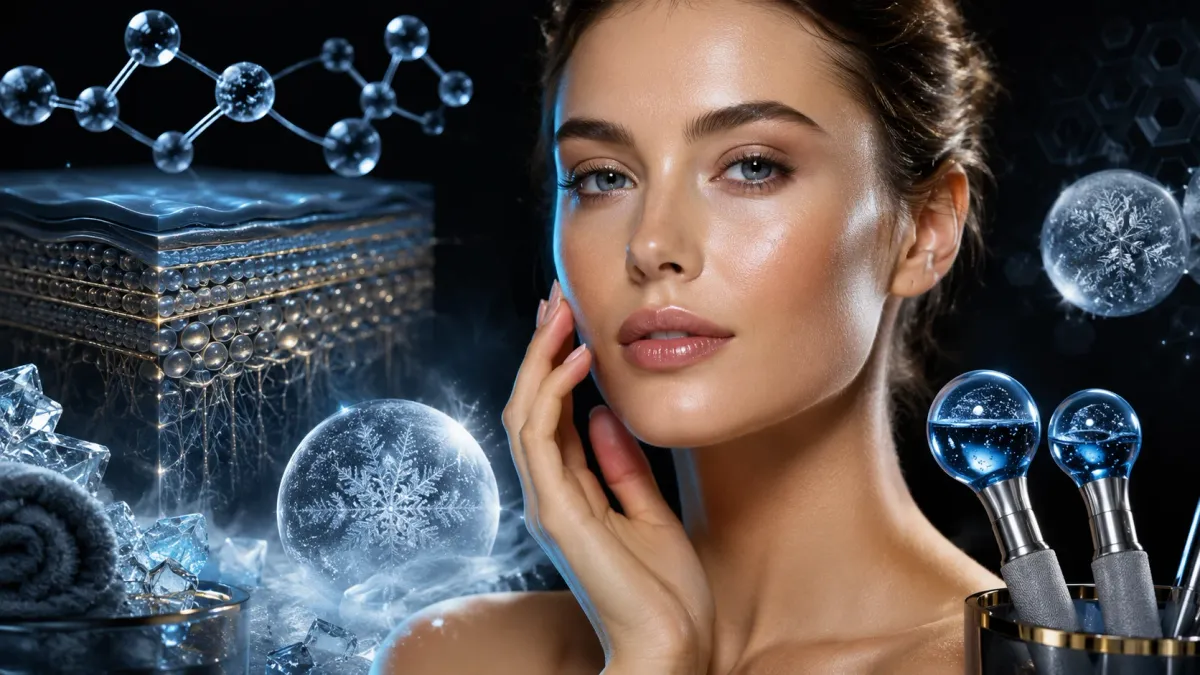
Cryotherapy has moved from sports medicine into the skincare mainstream, with luxury spas and medi-spas offering cryo facials at $75-$200 per session. The promise is appealing: extreme cold tightens skin, boosts collagen, and delivers a youthful glow.
But what does the evidence actually say? The honest answer is more measured than the marketing suggests.
Cryotherapy can reduce puffiness, improve post-procedure recovery, and provide a temporary tightening effect. Claims about long-term collagen stimulation and wrinkle reversal, however, lack robust clinical support for cosmetic facial application.
This guide evaluates cryotherapy for skin rejuvenation through an evidence-based lens - covering how it works, what it can and cannot do, which treatment options exist, and how to use it safely.
Want the at-home tool first? Jump to the stainless steel ice roller with a direct Amazon link.
Jump to ice roller pick- Temporary Effects, Not Structural: Cryotherapy causes vasoconstriction followed by vasodilation, producing temporary firmness and glow. It does not permanently restructure collagen.
- Best for Puffiness and Recovery: The strongest evidence is for reducing facial puffiness and aiding post-procedure healing (after laser, microneedling, or chemical peels).
- Professional vs. At-Home: Cryo facials use liquid nitrogen vapor at extreme temperatures. At-home ice rolling is gentler but provides only surface-level benefits.
- Not a Replacement: Cryotherapy is a complement to evidence-based skincare (retinoids, sunscreen, antioxidants) - not a substitute.
How Cryotherapy Affects the Skin
When cold is applied to the skin, it triggers a sequence of vascular and cellular responses. Understanding this sequence helps separate real effects from exaggerated claims.
Vasoconstriction and Vasodilation
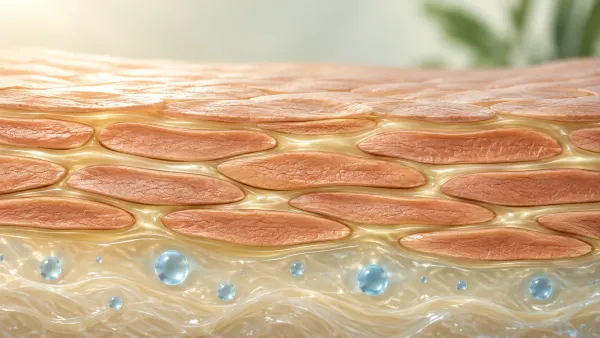
The immediate effect of cold exposure is vasoconstriction - blood vessels in the skin narrow to conserve heat.
This reduces local blood flow, which temporarily decreases redness and puffiness. When the cold source is removed, the tissue warms and blood vessels dilate (vasodilation), increasing oxygen and nutrient delivery to the skin surface.
This process is well-documented and is the primary mechanism behind the "glow" reported after cryo facials. The effect is temporary, typically lasting 2-6 hours after treatment.
Cold Shock Proteins
Cold exposure induces the expression of cold shock proteins (CSPs), such as RBM3 (RNA-binding motif protein 3). Research on CSPs is most advanced in neurology, where RBM3 has been shown to protect neurons and promote synapse regeneration.
In skin, CSPs are theorized to support cellular resilience under stress, but direct evidence for cosmetic skin rejuvenation through CSP induction remains preliminary. For evidence-based approaches to collagen support, see our guide to peptides for anti-aging which covers clinically studied signaling pathways.
What the Research Shows
A clinical evaluation of cryolipolysis (cold-based fat reduction) reported consistent improvement in skin texture, laxity, and cellulite after treatment, suggesting that controlled cold exposure can produce measurable changes in the dermis.
However, cryolipolysis uses much deeper and longer cooling than a standard cryo facial. Its results do not necessarily translate to superficial cosmetic cryotherapy.
A StatPearls review on cryotherapy in dermatology confirms its established role in treating skin lesions (actinic keratosis, seborrheic keratosis, warts) but does not endorse cryotherapy for cosmetic skin rejuvenation as a primary indication.
A conservative way to describe cryo facials is as a temporary cosmetic refresh rather than a structural treatment. Any immediate tightness or glow can be short-lived, and evidence does not establish durable collagen remodeling.
The immediate tightening and glow are real, but they wear off within hours. If you are paying $100+ per session expecting cumulative collagen remodeling, you will likely be disappointed.
If you want a quick refresh before an event or need to calm post-procedure inflammation, it can be worthwhile.
Types of Cryotherapy for Skin
Not all cryotherapy is the same. The treatment intensity, depth, and duration vary significantly between modalities.
Professional Cryo Facial
A cryo facial involves directing vaporized liquid nitrogen (around -200�F / -130�C) across the face using a handheld device. The treatment lasts 10-15 minutes and is performed in a spa or medi-spa setting.
The extreme temperature triggers immediate vasoconstriction and a strong sensory response. Patients report a tingling or burning sensation that subsides within minutes.
For a comparison of professional skin treatments, see our guide to anti-aging skincare devices.
Cryo Oxygen Facial
This combines cold therapy with oxygen infusion. After the cold exposure, pressurized oxygen is delivered to the skin surface, theoretically enhancing the vasodilation phase and improving cellular oxygenation.
Evidence for the added benefit of oxygen over cryotherapy alone is anecdotal.
At-Home Ice Rolling
Ice rollers use frozen water or gel and are rolled across the face for 5-10 minutes. The temperature is significantly milder than professional cryotherapy (around 32�F / 0�C).
Benefits include temporary depuffing, particularly around the eyes, and a cooling sensation that can soothe sensitive skin. The effect is surface-level and short-lived.
| Feature | Cryo Facial | Ice Rolling |
|---|---|---|
| Temperature | -200�F (liquid nitrogen) | 32�F (frozen water) |
| Duration | 10-15 minutes | 5-10 minutes |
| Cost per Session | $75-$200 | $10-$30 (one-time purchase) |
| Evidence Level | Limited for cosmetic claims | Minimal (temporary depuffing) |
| Best For | Pre-event glow, post-procedure recovery | Morning puffiness, soothing sensitive skin |

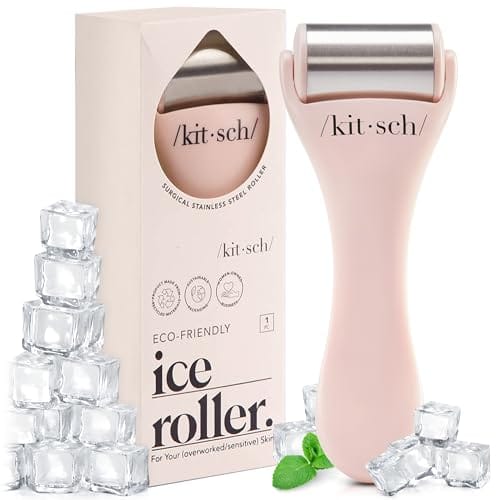
Best at-home cryo tool
Kitsch Stainless Steel Ice Roller
Why it fits: A stainless steel ice roller fits readers who want a simple at-home cooling tool for short-term morning puffiness, under-eye swelling, or post-workout heat.
Watch-out: Keep sessions brief and never press hard on irritated skin. Ice rolling can refresh and depuff, but it does not rebuild collagen or replace sunscreen, retinoids, or professional care.
View Product on AmazonAs an Amazon Associate, we earn from qualifying purchases.
Cryotherapy is often marketed as a collagen-boosting alternative to retinoids or microneedling. This comparison is misleading.
Retinoids and microneedling produce measurable, biopsy-confirmed increases in dermal collagen through fibroblast stimulation. Cryotherapy's effect on collagen is indirect and transient.
If your primary goal is collagen production, prioritize evidence-based treatments and use cryotherapy as an occasional supplement, not a replacement.
Educational skincare guide. Not medical advice.
After any cryotherapy session, follow our barrier repair protocol to support skin recovery and maintain hydration balance. Proper post-care is essential to maximize benefits and minimize irritation.
Risks and Contraindications
Cryotherapy is generally safe when performed correctly, but it carries specific risks and contraindications:
- Cold urticaria (cold hives): Some individuals develop raised, itchy welts in response to cold exposure. A patch test is recommended before full-face treatment.
- Raynaud's phenomenon: Extreme vasoconstriction can trigger painful episodes. Individuals with Raynaud's should avoid cryotherapy.
- Pregnancy: Safety data for cosmetic cryotherapy during pregnancy is insufficient. Most clinics require a physician's clearance.
- Frostbite risk: Prolonged or improperly administered cryotherapy can cause frostbite (ice crystal formation in tissue). Professional clinics should use FDA-cleared devices with automatic shut-off.
- Nerve damage: Case reports of temporary or permanent nerve damage exist, particularly with cryolipolysis devices. This risk is lower with superficial cryo facials.
After cryotherapy, your skin may be temporarily more receptive to hydrating products. Our hydration vs moisturization guide explains how to layer post-treatment care for optimal recovery.

- Consult First: If you have a medical condition (Raynaud's, cold urticaria, cardiovascular disease), speak to your doctor before trying cryotherapy.
- Start with At-Home: Before investing in professional sessions, try ice rolling for 1-2 weeks. If you see meaningful improvement in puffiness, you may benefit from professional treatment.
- Use Cryo Strategically: Reserve cryotherapy for specific needs (pre-event glow, post-procedure recovery) rather than as a weekly routine.
- Prioritize Evidence-Based Skincare: Sunscreen, retinoids, vitamin C, and moisturizer should form the foundation of your routine. See our science-backed anti-aging ingredients guide for evidence-based alternatives.
Cryotherapy offers real but limited benefits for skin rejuvenation. Its strongest applications are temporary depuffing, post-procedure recovery, and the subjective glow from enhanced circulation.
Claims about long-term collagen stimulation and permanent wrinkle reduction are not supported by current evidence for cosmetic facial cryotherapy.
Scientific References
- A clinical evaluation of cryolipolysis demonstrated improvements in skin texture, laxity, and cellulite after cold-based treatment (PubMed).
- The StatPearls review on cryotherapy in dermatology provides comprehensive safety and indications information for dermatological cold application (NCBI StatPearls).
- Cleveland Clinic discusses the circulatory and skin effects of cold exposure in their review of cold shower therapy (Cleveland Clinic).
- A systematic review of cryotherapy versus other treatments for skin lesions confirms its established dermatological role (PubMed).
Frequently Asked Questions About Cryotherapy for Skin
Does cryotherapy really boost collagen production?
How often should I get a cryo facial?
Is at-home ice rolling as effective as professional cryotherapy?
Can cryotherapy help with acne?
What are the side effects of cryotherapy for skin?
This article is for informational purposes only and does not replace professional dermatological advice.
How we research and correct content: Editorial Policy.