Hydration vs Moisturization: The Science-Based Difference for Healthy Skin
Science-backed guide to hydration vs moisturization. Understand humectants, occlusives, TEWL, and how to layer products for optimal skin barrier function.
In this guide
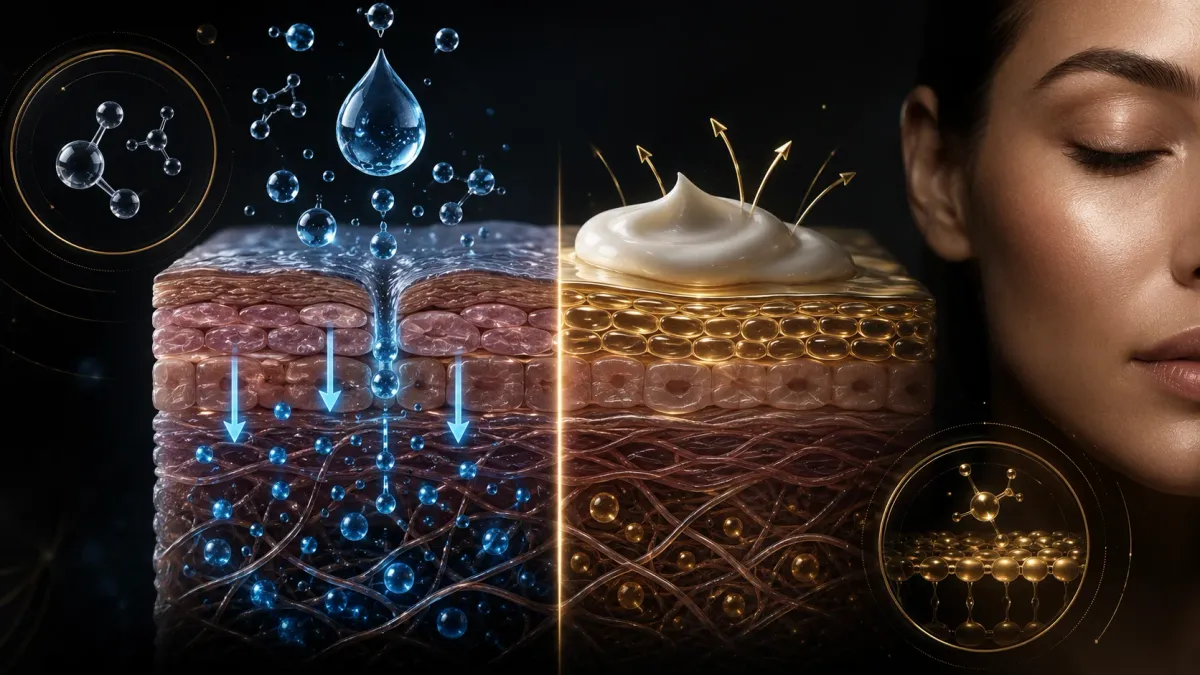
Walk into any skincare aisle and you will see "hydration" and "moisturization" used as if they mean the same thing. They do not. The difference is not semantic - it is molecular.
To see those humectant, emollient, and occlusive roles in current products, compare our five cream moisturizer picks for dry, reactive, and mature-looking skin.
Putting that distinction into a body-care purchase? Our body moisturizer comparison matches humectant lotions, richer creams, and exfoliating formulas to normal dryness, sensitivity, and rough bumps.
Hydration refers to the water content within your skin cells. Moisturization refers to the lipid barrier that keeps that water from escaping. One fills the tank. The other puts the cap on.
Apply the concepts with the four-step dehydrated-skin reset, including damp-skin application, texture choices and a serum-versus-moisturizer test.
For a practical humectant step, compare the best hyaluronic acid serums for different textures and climates. The guide also shows when a serum can pill and why it still needs a moisturizer to slow water loss.
Understanding this distinction changes how you choose products, how you layer them, and ultimately how your skin looks and feels. This guide breaks down the biology, the ingredients, and the routine that delivers both.
- Hydration ≠ Moisturization: Hydration is water in the cells; moisturization is the lipid barrier that seals it in. You need both.
- Layer Thin to Thick: Apply humectants (hydrators) first on damp skin, then occlusives (moisturizers) on top. Reverse the order and you block absorption.
- Dehydrated ≠ Dry: Dehydrated skin lacks water (feels tight, looks dull). Dry skin lacks oil (flaky, rough). The treatments are different.
- Barrier Is Everything: A compromised skin barrier accelerates water loss (TEWL) regardless of how much water you drink or how many serums you apply.
What Does "Hydration" Actually Mean?
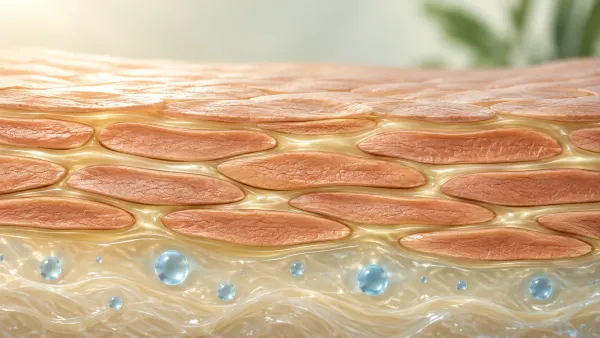
At the cellular level, hydration is the concentration of water in the stratum corneum - the outermost layer of your epidermis. Healthy stratum corneum contains roughly 10-30% water. When that value drops below 10%, the skin becomes visibly dehydrated: tight, dull, and prone to fine lines.
Water in the stratum corneum does not come from drinking alone. It is delivered by two mechanisms:
- Internal delivery - water diffuses from the dermis upward through the viable epidermis, driven by a natural water gradient
- Humectant attraction - certain molecules (hyaluronic acid, glycerin, urea) bind water from the deeper skin layers and the environment, pulling it into the outer layers
The water content also activates enzymes responsible for desquamation (shedding dead skin cells). When the stratum corneum is under-hydrated, these enzymes stop working, and dead cells accumulate on the surface - creating that dull, rough texture.
The stratum corneum water gradient is maintained by Natural Moisturizing Factors (NMF) - a blend of amino acids, pyrrolidone carboxylic acid, urea, lactate, and sugars. These are produced when filaggrin, a structural protein, breaks down in the outer skin layers. Genetic variations in the filaggrin gene are directly linked to chronically dehydrated skin and conditions like ichthyosis vulgaris.
What Does "Moisturization" Actually Mean?
Moisturization is the prevention of transepidermal water loss (TEWL). Even with optimal internal hydration, water evaporates passively through the skin. The rate of loss is regulated by the lipid barrier — a mortar-like matrix of ceramides (∼50%), cholesterol (∼25%), and free fatty acids (∼15%) that fills the spaces between corneocytes.
When this lipid barrier is intact, TEWL is low, and the skin retains its water content. When it is damaged - by harsh cleansers, over-exfoliation, UV exposure, or genetic predisposition - TEWL increases, and dehydration follows regardless of how much water you drink.
Moisturizers work by depositing lipids (or lipid-like substances) onto and into the stratum corneum, physically reducing the rate of evaporation. This is fundamentally different from hydration, which increases the absolute water content.
| Aspect | Hydration | Moisturization |
|---|---|---|
| Function | Adds water to stratum corneum | Reduces water evaporation (TEWL) |
| Key Ingredients | Humectants: HA, glycerin, urea, aloe | Occlusives: ceramides, shea, squalane, petrolatum |
| Skin Feel | Plump, bouncy, refreshed | Soft, smooth, protected |
| Application Order | Apply first (on damp skin) | Apply second (to seal) |
The Three Categories of Moisturizing Ingredients
Dermatologists classify moisturizing ingredients into three functional categories. Most products combine two or three, but understanding each role helps you read labels properly.
Humectants - The Hydrators
Humectants are water-loving molecules that attract and bind water from the dermis and the environment. They are the primary "hydrating" ingredients. Critical details:
- Hyaluronic Acid (HA): A glycosaminoglycan that can hold up to 1,000 times its weight in water. Molecular weight matters: low-molecular-weight HA penetrates deeper but can be pro-inflammatory in damaged skin. Medium-weight HA (∼200–300 kDa) offers the best balance of penetration and safety.
- Glycerin: The most evidence-backed humectant. A 2016 review of moisturizer ingredients confirmed glycerin's efficacy across all skin types. It is present in nearly every commonly used moisturizer for good reason.
- Urea: A component of natural moisturizing factor (NMF) at 5-10% provides hydration and gentle exfoliation. Above 10%, it becomes keratolytic (used for rough, thickened skin).
- Aloe Vera, Panthenol (B5), Sodium PCA: Secondary humectants that support the NMF pool.
Humectants are most effective when applied to damp skin. If applied to dry skin in a dry environment, they can draw water from the deeper epidermis toward the surface, where it evaporates - paradoxically worsening dehydration over time.
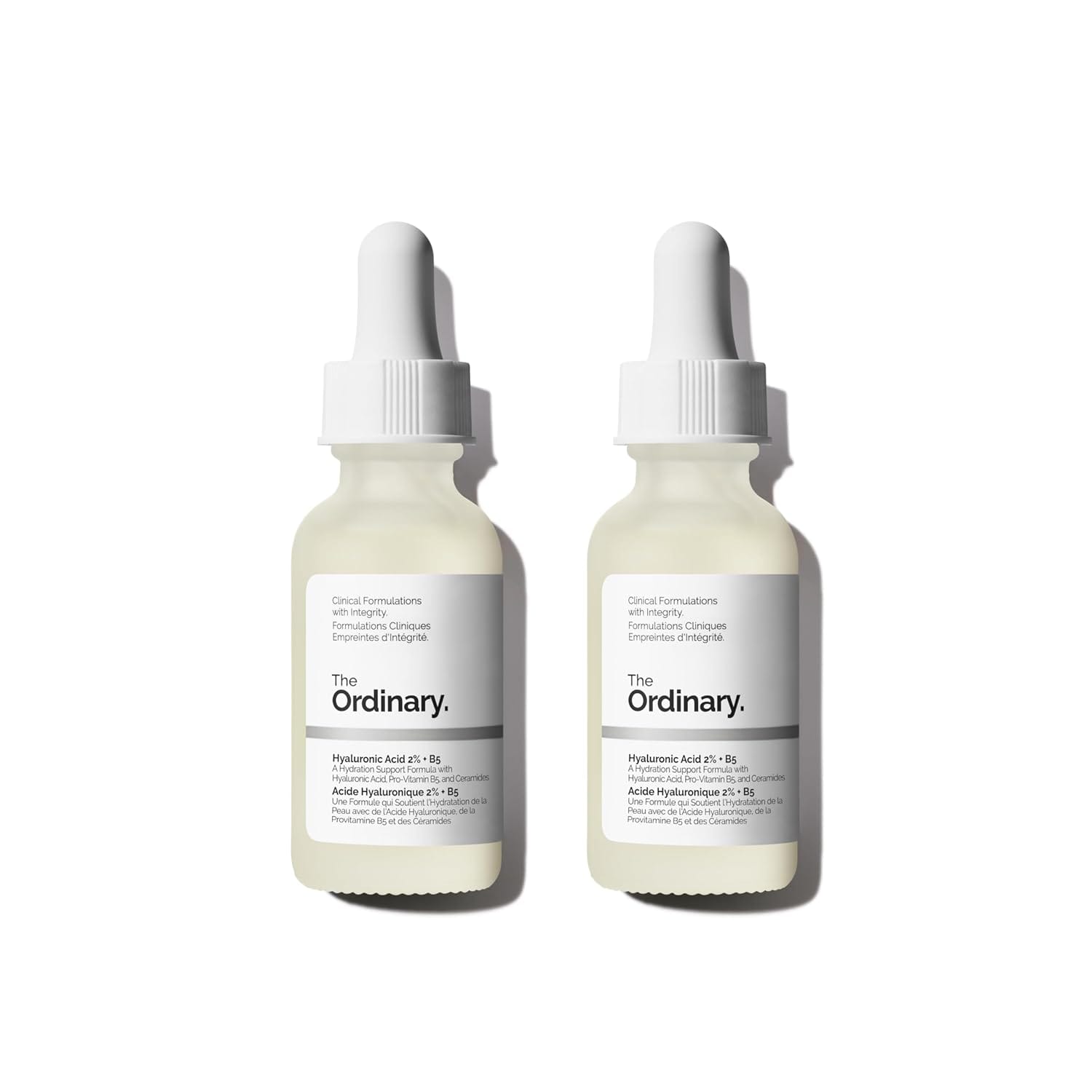
Occlusives - The Sealers
Occlusives form a hydrophobic film on the skin surface that physically blocks water evaporation. They are the true "moisturizers" in the traditional sense - they do not add water but prevent its loss. A single application of a strong occlusive can reduce TEWL by up to 98%.
- Petrolatum: The gold standard occlusive. Reduces TEWL by 98% with a single application. Non-comedogenic for most skin types despite its heavy texture.
- Shea Butter: Rich in triglycerides and unsaponifiables (vitamin E, cinnamic acid). Provides occlusive protection plus anti-inflammatory benefit.
- Dimethicone: A silicone-based occlusive that forms a breathable film. Lightweight, non-greasy, and ideal for daytime use under makeup.
- Squalane: A hydrogenated version of squalene (a natural component of human sebum). Penetrates partially while leaving a protective film. Bio-compatible and non-irritating.
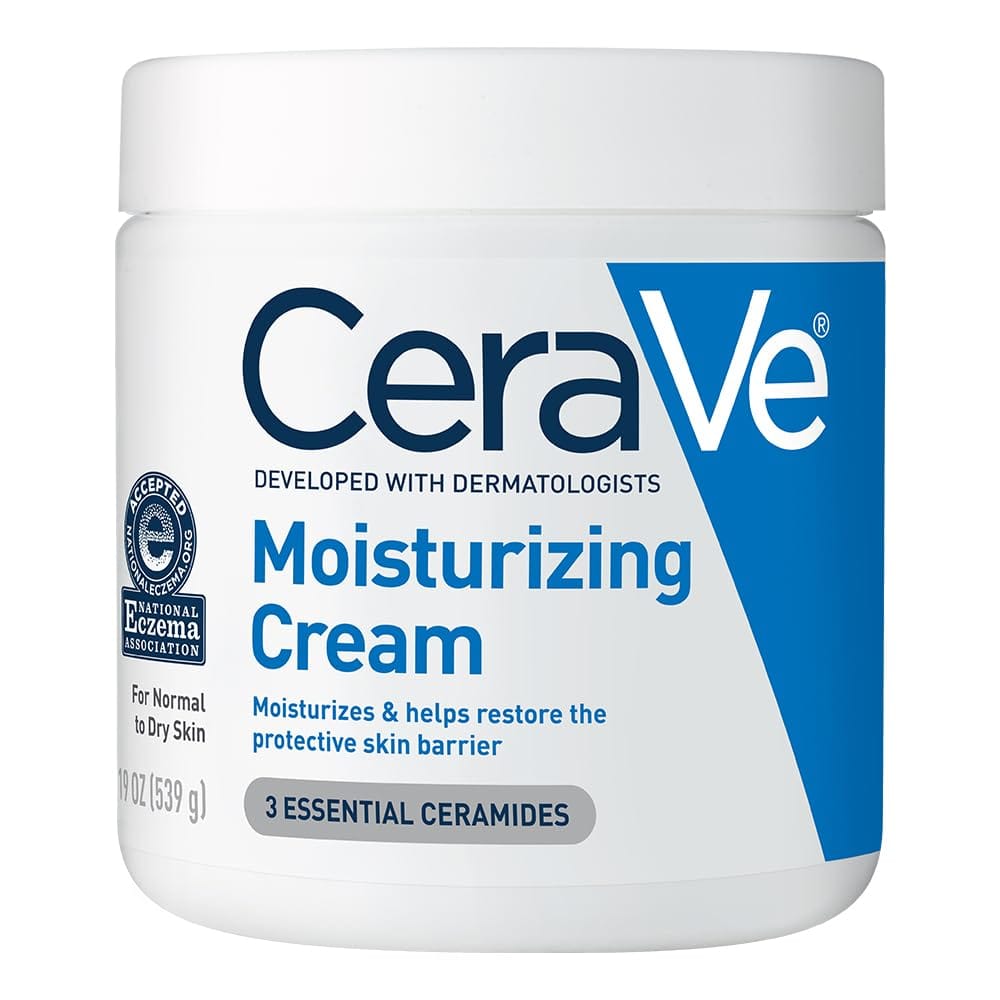
Emollients - The Smoothing Agents
Emollients fill the spaces between desquamating corneocytes, smoothing the skin surface and improving its appearance. They are not strictly hydrating or occlusive but support barrier function by integrating into the lipid matrix.
- Ceramides: The most critical component of the lipid barrier. Aging and UV exposure deplete ceramide levels. Topical ceramides (especially in a 3:1:1:1 ratio with cholesterol and fatty acids) have been shown to restore barrier function in clinical studies.
- Fatty Acids: Linoleic acid and oleic acid support lamellar matrix formation.
- Squalane and Jojoba Oil: Bio-compatible oils that mimic the skin's natural sebum without clogging pores score.
The 3:1:1:1 ceramide ratio (ceramides : cholesterol : free fatty acids) mimics the natural lipid composition of healthy stratum corneum. Many drugstore moisturizers contain ceramides but at incorrect ratios. Look for formulations that specify the ratio or list cholesterol and fatty acids alongside ceramides in the same product.
Dehydrated vs. Dry: Why the Distinction Matters
These terms are not interchangeable. One describes a water deficit. The other describes an oil deficit. The treatment protocols are fundamentally different:
- Dehydrated skin (lacks water): Feels tight after cleansing, shows exaggerated fine lines, looks dull. Needs humectants and a functional barrier. Even oily skin can be dehydrated.
- Dry skin (lacks oil): Feels rough, flakes, may itch. Needs occlusives and emollients to replenish the lipid barrier.
A simple at-home test: wash your face with a gentle cleanser and wait 60 minutes without applying anything. If your skin feels tight and looks papery, you have dehydration (water deficit). If it feels rough and shows flaking, you have dryness (oil deficit). Many people have both.
How to Build a Hydrate-and-Seal Routine
The correct order follows the "thinnest to thickest" principle:
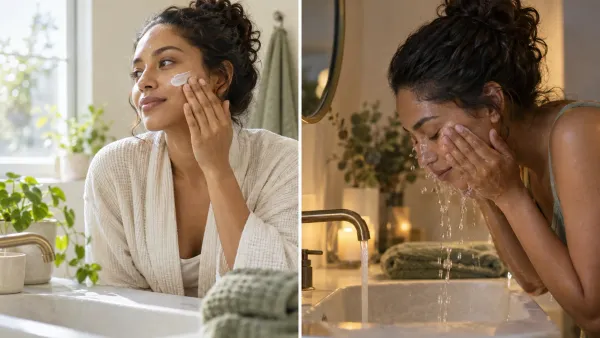
- Step 1 - Hydrating Toner or Essence: Apply to damp skin immediately after cleansing. Look for glycerin, sodium PCA, or hyaluronic acid.
- Step 2 - Humectant Serum: HA serum while the skin is still damp. Do not let it dry completely before the next step.
- Step 3 - Emollient Moisturizer: A ceramide-rich cream or lotion that supports barrier function.
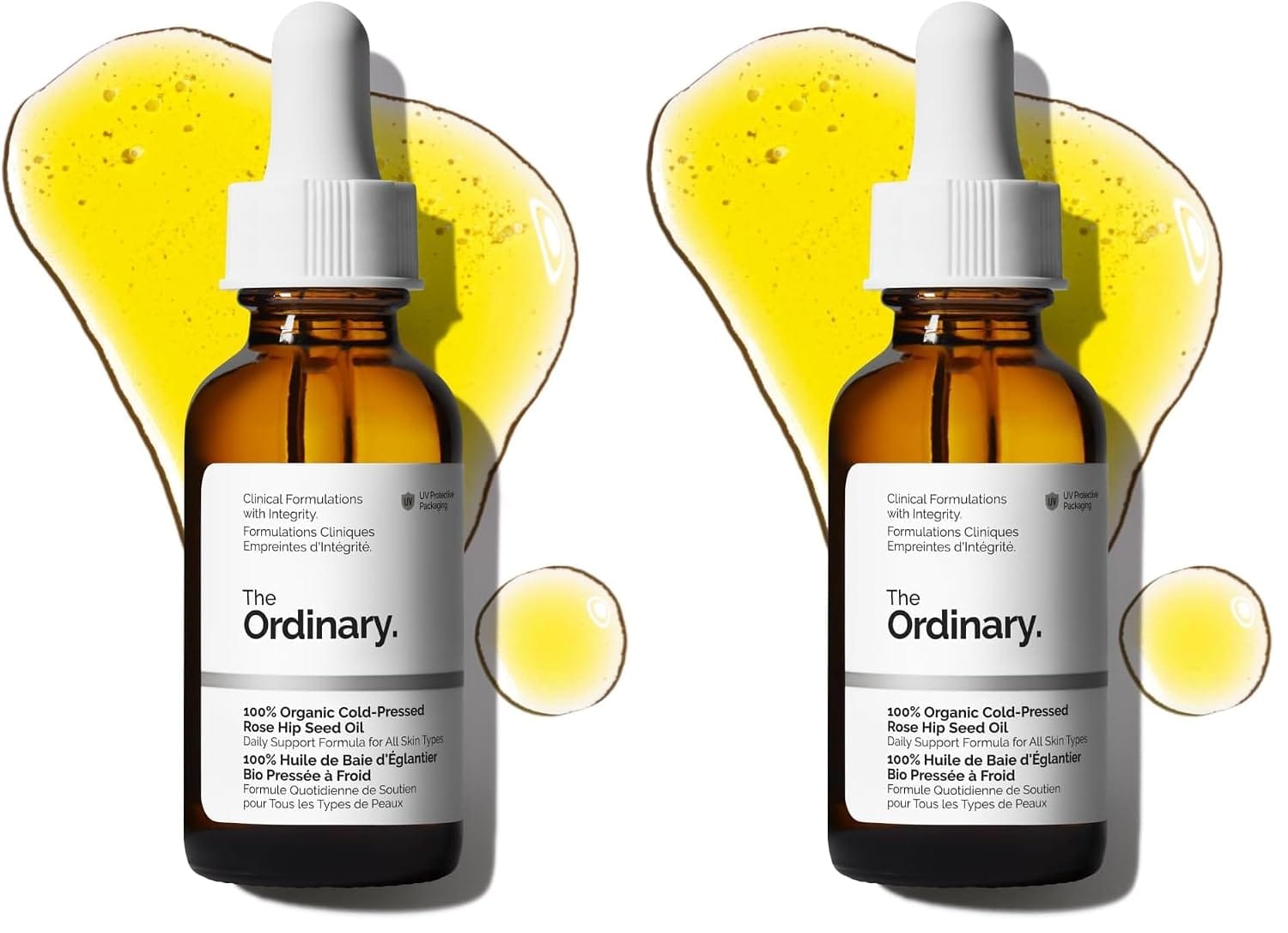
- Step 4 - Occlusive (if needed): A thin layer of squalane oil or petrolatum-based balm to seal everything. Particularly important in dry climates or winter.
Educational skincare guide. Not medical advice.
Common Mistakes That Undermine Hydration
- Over-exfoliating: Daily exfoliation strips the lipid barrier, increasing TEWL and worsening dehydration. Limit exfoliation to 2-3 times per week.
- Hot water washing: Hot water solubilizes surface lipids. Wash with lukewarm water and limit shower duration to under 10 minutes.
- Applying HA to dry skin: Hyaluronic acid needs water to bind. Applied to dry skin in a dry environment, it can draw water from the deeper epidermis - doing the opposite of its intended effect.
- Skipping occlusives: A humectant serum without an occlusive on top is like leaving a glass of water open in a desert. The water will evaporate within hours.
- Ignoring TEWL in humid vs. dry climates: A rich occlusive that works in winter may feel heavy in summer, but your skin still needs barrier protection year-round. Switch to a lighter occlusive (dimethicone, squalane) during humid months.
What Research Says About Hydration and Barrier Function
A comprehensive review of moisturizer technology confirmed that humectants and occlusives work through distinct but complementary mechanisms: humectants promote water retention within the stratum corneum, while occlusives minimize water loss to the external environment (PubMed). A 2023 review further detailed how the interplay between barrier lipids, NMF, and environmental factors determines overall skin hydration status (PubMed).
Research also confirms that adequate water intake combined with moisturizer application measurably improves skin barrier function and reduces TEWL (PubMed). The combination of internal hydration and external barrier support is backed by clinical evidence.
Understanding the difference between hydration and moisturization is the foundation of an effective skincare routine. Hydration fills your skin cells with water. Moisturization seals that water in. You need both - in the correct order - to maintain a healthy, functional barrier.
For a deeper dive into barrier repair, see our guide on how to restore your skin barrier. If you are choosing a moisturizer, our best moisturizers for aging skin guide covers occlusive-rich formulations. For layering guidance, our article on correct product layering order explains the thin-to-thick principle in detail. Those with oily yet dehydrated skin may benefit from our sunscreen guide for dark skin, which includes lightweight formulations. And if you use retinoids, our retinol safety guide covers how to maintain barrier hydration during retinoid use.
Frequently Asked Questions About Hydration vs Moisturization
What is the difference between hydration and moisturization?
Can dehydrated skin also be oily?
Do I need both a hydrating serum and a moisturizer?
What ingredients should I look for in a hydrating product?
How long does it take to repair dehydrated skin?
This article is for informational purposes only and does not replace professional dermatological advice.
Oil can reduce water loss but does not add water. See the face-oil layering guide for a practical moisturizer, oil and sunscreen order.
How we research and correct content: Editorial Policy.