Skincare Ingredients to Avoid for Darker Skin: Evidence-Based Guide to Safe Choices
Evidence-based guide to skincare ingredients that can harm darker skin. Learn which ingredients cause hyperpigmentation and safe alternatives.
In this guide
Darker skin has unique structural and functional characteristics that require a different approach to ingredient selection. Melanin-rich skin has larger, more reactive melanocytes, a stronger inflammatory response to injury, and a higher propensity for post-inflammatory hyperpigmentation (PIH). Ingredients that are well-tolerated on lighter skin can trigger persistent dark spots, irritation, or uneven tone on melanin-rich skin. Understanding which ingredients to avoid - and why - is essential for maintaining healthy, even-toned skin.
Product pick included
Jump to product pickThis evidence-based guide identifies the specific ingredients and product types that can harm darker skin, explains the mechanism behind each reaction, and provides safe alternatives. For a complete skincare approach for melanin-rich skin, explore our sunscreens for dark skin guide and niacinamide serums guide.
TL;DR - Skincare Ingredients to Avoid for Darker Skin
- Hydroquinone carries risk of ochronosis (blue-black discoloration) in long-term use on darker skin
- Drying alcohols (SD alcohol, denatured alcohol) disrupt the barrier and trigger rebound oiliness
- Fragrance allergens (geraniol, limonene, linalool) cause contact dermatitis and PIH in melanin-rich skin
- Sulfates (SLS/SLES) strip natural oils, leading to increased sensitivity and hyperpigmentation risk
- Physical abrasives (walnut shell, apricot kernel) create micro-tears that heal as dark spots
- High % AHAs (>10% glycolic acid) risk chemical burns and subsequent hyperpigmentation
The Skin Insider
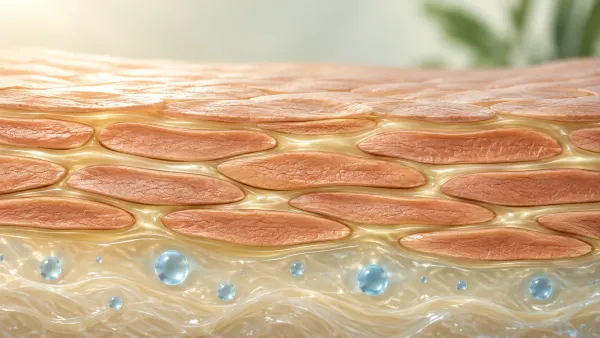
The reason darker skin reacts differently to ingredients is rooted in melanocyte biology. Melanin-rich skin has larger melanocytes that are more easily triggered by inflammation - even mild irritation from a fragrance or alcohol can activate a cascade that deposits melanin in the surrounding tissue, creating a dark spot that takes months to fade. A review published in PMC confirms that post-inflammatory hyperpigmentation is one of the most common and distressing concerns in skin of color, directly linked to ingredient-induced inflammation.
Ingredients to Avoid - Complete Guide
| Ingredient | Why It Harms Dark Skin | Risk Level | Safe Alternative |
|---|---|---|---|
| Hydroquinone | Prolonged use can cause ochronosis - permanent blue-black discoloration | High (long-term) | Azelaic acid, kojic acid, tranexamic acid |
| SD Alcohol / Denatured Alcohol | Strips barrier, triggers rebound oil, increases PIH risk | High | Fatty alcohols (cetyl, stearyl, cetearyl) |
| Fragrance Allergens | Contact dermatitis → inflammation → PIH on healing | High | Fragrance-free, essential oil-free formulas |
| SLS / SLES (Sulfates) | Over-strips natural oils, damages barrier, increases sensitivity | Moderate | Gentle surfactants (coco-glucoside, decyl glucoside) |
| Physical Abrasives | Micro-tears in skin heal as PIH in melanin-rich skin | High | Chemical exfoliants (lactic acid 5%, PHA) |
| High % Glycolic Acid (>10%) | Chemical burns risk → inflammation → PIH | High | Lactic acid 5%, mandelic acid 5-10% |
| Oxybenzone / Octinoxate | Common chemical filters that can irritate sensitive melanin-rich skin | Low-Moderate | Zinc oxide, titanium dioxide (tinted) |
| High-Dose Vitamin C (LAA 20%+) | Low pH can sting and inflame reactive skin | Moderate | THD ascorbate 10-15%, SAP 5-10% |
Ingredient Deep Dives
1. Hydroquinone
Hydroquinone is one of the most effective skin-lightening agents, but it carries significant risks for darker skin when used long-term. DermNet documents that prolonged hydroquinone use can cause exogenous ochronosis - a permanent blue-black discoloration that is extremely difficult to treat. This risk is significantly higher in melanin-rich skin. Hydroquinone should only be used under dermatological supervision for short-term treatment (3-6 months maximum).
Safe alternatives: Azelaic acid (15-20%), kojic acid, alpha arbutin, tranexamic acid - all effective for hyperpigmentation without the ochronosis risk. A 2025 review of PIH treatments in skin of color confirmed that alternative agents can achieve comparable results with significantly better safety profiles.
2. Drying Alcohols (SD Alcohol, Denatured Alcohol, Isopropyl Alcohol)
Alcohol is widely used in toners and acne products to create a "cooling" sensation, but it strips the acid mantle and disrupts the skin barrier. For darker skin, this triggers a rebound effect - the skin produces more oil to compensate, leading to clogged pores and breakouts. The compromised barrier also increases susceptibility to irritants, raising the risk of post-inflammatory hyperpigmentation.
Safe alternatives: Fatty alcohols (cetyl alcohol, stearyl alcohol, cetearyl alcohol) are non-irritating and actually benefit the barrier. Look for alcohol-free toners and gel moisturizers with glycerin or hyaluronic acid as the base.
3. Fragrance Allergens
The American Academy of Dermatology recommends fragrance-free products for sensitive skin - a recommendation that applies strongly to melanin-rich skin. Fragrance allergens (geraniol, limonene, linalool, citronellol, coumarin) are common causes of allergic contact dermatitis. In darker skin, the resulting inflammation heals with visible hyperpigmentation that can last months.
Safe alternatives: Fragrance-free formulations. "Unscented" is not the same as fragrance-free - unscented products may contain masking fragrances. Look specifically for "fragrance-free" on the label.
4. Physical Abrasives
Scrubs with crushed walnut shell, apricot kernel, or polyethylene beads create micro-tears in the skin surface. On lighter skin, these heal without visible trace. On melanin-rich skin, the subsequent inflammatory response triggers melanocyte activation in the healing tissue, resulting in post-inflammatory hyperpigmentation that appears as dark spots in the exact pattern of the scrub. Research confirms that PIH is a primary concern in skin of color, and physical trauma is a known trigger.
Safe alternatives: Gentle chemical exfoliants like lactic acid 5% or polyhydroxy acids (PHAs) provide effective exfoliation without the physical trauma risk.
Ingredients to Avoid - Visual Guide
01Drying Alcohols + SulfatesBarrier DisruptorsRiskAvoidanceStripping the barrier triggers rebound oiliness and increases PIH risk. Choose sulfate-free cleansers and alcohol-free toners with fatty alcohols.02Fragrance + HydroquinonePIH TriggersRiskAvoidanceFragrance allergens trigger contact dermatitis → PIH. Hydroquinone risks ochronosis in long-term use. Use fragrance-free and consult a derm for HQ.03Abrasives + High % AHAsPhysical & Chemical TraumaRiskAvoidancePhysical scrubs create micro-tears → PIH. High % glycolic acid risks chemical burns. Use lactic acid 5%, mandelic acid, or PHAs instead.Quick Decision GuideConcernHyperpigmentation→Azelaic acid, not hydroquinoneConcernCleansing→Sulfate-free, pH-balanced cleanserConcernExfoliation→Lactic or mandelic acid, 2-3x/weekConcernSunscreen→Tinted mineral SPF 30+ConcernSensitivity→Fragrance-free, 4-5 ingredient products onlyEducational skincare guide. Not medical advice.
Safe Skincare Routine for Darker Skin
Morning: Gentle cleanser (sulfate-free) → Niacinamide serum (2-5%) → Moisturizer with ceramides → Tinted mineral SPF 30+
Evening: Gentle cleanser → Chemical exfoliant (lactic acid 5%, 2-3x/week) → Moisturizer with ceramides → Squalane oil (optional)
For hyperpigmentation, add azelaic acid (15-20%) or a vitamin C derivative like THD ascorbate in the morning routine. For a complete guide to brightening ingredients, see our anti-aging ingredients guide.
Understanding Hyperpigmentation in Darker Skin
Post-inflammatory hyperpigmentation (PIH) is the most common reason people with darker skin seek dermatological care. A review of PIH in dark skin explains that melanin-rich skin has a heightened inflammatory response - even minor irritation from a skincare product can trigger melanocyte activation that persists long after the initial inflammation resolves. This means an ingredient that causes a 24-hour reaction on lighter skin can leave a dark spot that lasts 6-12 months on darker skin.
Key prevention strategies:
- Patch test every new product for at least 7 days on the jawline before full-face application
- Avoid ingredients that sting, burn, or cause heat on application
- Use SPF 30+ daily - UV exposure darkens existing PIH and triggers new spots
- Introduce one new product at a time to identify triggers
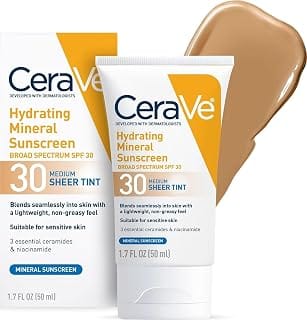
Product pick
CeraVe Hydrating Mineral Sunscreen Sheer Tint SPF 30
Why it fits: A tinted mineral SPF option for readers avoiding obvious white cast. Test the shade on the jawline first, especially on deeper skin tones.
Watch-out: Check the ingredient list and introduce it slowly if your skin is reactive.
Check Availability on Amazon →As an Amazon Associate, we earn from qualifying purchases.
As an Amazon Associate, we earn from qualifying purchases.
☀️
The Optimizer's Edge
The most overlooked factor in skincare for darker skin is the delayed inflammatory response. Unlike lighter skin where irritation is immediately visible as redness, darker skin often shows subtle signs first - a mild warmth, slight itching, or barely visible bumps. By the time hyperpigmentation appears days later, the trigger ingredient has already been used multiple times. The single most effective strategy is to patch test every new product for a full week on the jawline, observing in natural light for any tone changes. If you see even the slightest darkening, discontinue immediately. Prevention of PIH is exponentially easier than treatment. For safe brightening options, explore our niacinamide serums guide and sunscreens for dark skin guide.
Your Clear Skin Checklist
- Step 1: Audit your current products. Check for drying alcohols, sulfates, fragrance allergens, and hydroquinone.
- Step 2: Replace with safer alternatives: sulfate-free cleanser, fragrance-free moisturizer, tinted mineral SPF 30+.
- Step 3: Patch test all new products for 7 days on the jawline. Observe for any darkening before full-face use.
⛶ Fullscreen
Frequently Asked Questions About Skincare for Darker Skin
Is hydroquinone safe for darker skin?Hydroquinone can be used safely under dermatological supervision for short-term treatment (3-6 months maximum). However, prolonged or unsupervised use carries a risk of exogenous ochronosis - a permanent blue-black discoloration that is more common in melanin-rich skin. Safer alternatives include azelaic acid, kojic acid, alpha arbutin, and tranexamic acid, which 2025 research confirms are effective for hyperpigmentation with significantly better long-term safety profiles.Can people with darker skin use retinol?Yes, but with precautions. Start with a low concentration (0.1-0.3%) and low frequency (1-2x/week). Apply the moisture sandwich technique: moisturizer → retinol → moisturizer to buffer irritation. If any stinging or darkening occurs, reduce frequency. Retinol can be highly effective for dark skin, but the inflammation from too-rapid introduction can trigger PIH. For a gentler alternative, bakuchiol provides comparable benefits without the irritation risk.Do darker skin tones need sunscreen?Yes. While melanin provides approximately SPF 13 of natural protection, it is not enough to prevent hyperpigmentation, photoaging, or skin cancer. The American Academy of Dermatology recommends broad-spectrum SPF 30+ for all skin tones. Tinted mineral sunscreens with iron oxides are particularly beneficial as they block visible light, which triggers melanin production and worsens hyperpigmentation in darker skin.Why does fragrance cause dark spots on my skin?Fragrance allergens (geraniol, limonene, linalool, citronellol) trigger allergic contact dermatitis - an inflammatory response. In melanin-rich skin, the healing process of this inflammation activates melanocytes in the affected area, depositing excess melanin that appears as a dark spot (post-inflammatory hyperpigmentation). This spot can take 6-12 months to fade. The solution is to use only fragrance-free products, not just unscented ones, which may contain masking fragrances.How do I know if a product will cause hyperpigmentation?The only reliable method is a 7-day patch test on the jawline. Apply the product to a 1 cm area once daily for 7 days. Observe in natural light for any darkening, redness, or bumps before proceeding to full-face use. Products that sting or cause a warm sensation during application are more likely to trigger PIH. Avoid products with known irritants: drying alcohols (first 5 ingredients), high-concentration AHAs (>10%), and undisclosed fragrance blends.
This article is for informational purposes only and does not replace professional dermatological advice. If you have persistent hyperpigmentation, suspect a skin condition, or are considering hydroquinone treatment, consult a board-certified dermatologist.