Best Antioxidant Foods for Skin in 2026: What Actually Helps
A 2026 skin food matrix with antioxidant food pairings, skin-goal tables, realistic limits, and a 7-day plate plan.
In this guide
Quick answer
Ready to compare product picks?
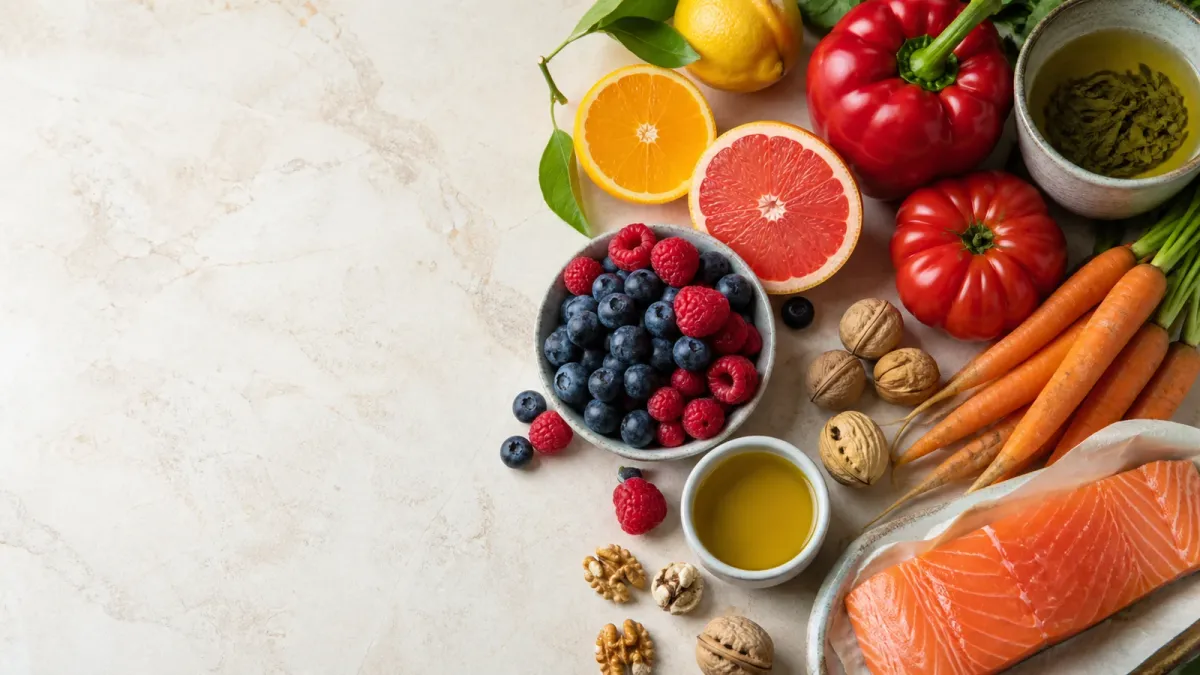
Jump to product picksThe best antioxidant foods for skin are not one superfood. The best pattern is a mix of colorful plants, vitamin C foods, polyphenol-rich drinks or snacks, healthy fats, and enough protein. Think berries, citrus, leafy greens, tomatoes, bell peppers, green tea, cocoa, olive oil, walnuts, salmon, beans, and eggs.
For a flavor-first way to make those foods easier to repeat, use our food-first guide to ten culinary herbs and spices.
For the evidence limits behind glow and pigment claims, read what diet can and cannot do for melanin-rich skin.
Quick summary
- Best base: colorful plants plus protein and healthy fats.
- Best skin compounds: carotenoids, polyphenols, vitamin C, vitamin E, omega-3 fats, zinc, and fiber.
- Best pairings: tomatoes with olive oil, berries with yogurt, lentils with lemon, and carrots with hummus.
- Realistic timeline: expect subtle support over 8 to 12 weeks, not overnight change.
- Important limit: food supports skin, but it does not replace sunscreen, sleep, or medical care.
Watch the 42-second SkinOptimizer deck: the simple food matrix behind antioxidant foods for skin.
Antioxidant foods for skin are not magic glow pills. They are the foods that help your body handle daily stress from sun, pollution, poor sleep, high sugar meals, and normal aging. In 2026, the better question is not, "Which one food makes skin glow?" The better question is, "Which food pattern gives skin the tools it can use?"
For the acne question, see what current evidence says about sugar and skin, including high-glycemic patterns, glycation limits and a safe four-week test.
That is why this guide is different from a normal list of berries, salmon, and avocados. Those foods can help. But a simple list is not enough. Skin uses many nutrients at the same time. Vitamin C helps with collagen support. Carotenoids help with color and light stress. Polyphenols help with oxidative stress. Healthy fats help your body absorb some of these compounds. Protein helps build the structure that keeps skin firm.
This is a food guide, not medical advice. We are not doctors or dietitians. We are the SkinOptimizer Editorial Team. Our goal is to help you make smarter skin-support choices without turning food into fear or hype.
Editorial note
This article was rebuilt in June 2026 after reviewing current nutrition and skin-aging sources. We focus on food patterns, not miracle claims. Some links may be affiliate links. If you buy through them, we may earn a commission at no extra cost to you.
Why Most Antioxidant Food Lists Feel Generic
Many skin food articles say the same thing. Eat blueberries. Eat salmon. Eat avocado. Drink green tea. That advice is not wrong, but it is thin. It does not tell you why the food matters. It does not tell you how to combine foods. It does not tell you what to expect. It also does not tell you what food cannot do.
Skin is not changed by one meal. It is shaped by habits. Your skin barrier, collagen support, oil balance, water loss, and color tone all depend on more than one nutrient. This is why a stronger skin diet uses groups of foods, not one hero food.
If you already use sunscreen, cleanse gently, and keep your barrier calm, food can support the work. If your routine is harsh, your sleep is poor, or you skip sunscreen, food will not fix everything. For sun care basics, see our guide to best sunscreen for everyday use and our guide on how to prevent sun damage.
What Changed in 2026: It Is About Food Patterns
The newer research trend is less about one "beauty food." It is more about groups of compounds that work in different ways. Reviews from 2025 looked at carotenoids, polyphenols, and diet patterns in skin aging. The main idea is simple: oxidative stress can speed visible aging, and some food compounds may help the body handle that stress.
This does not mean food works like retinol or sunscreen. It does not. A tomato does not replace SPF. Green tea does not erase wrinkles. Berries do not cure acne. But a steady pattern can support skin from the inside.
Here is the practical way to think about it:
- Carotenoids help with skin color, light stress, and antioxidant defense.
- Vitamin C supports normal collagen formation and helps protect cells from oxidative stress.
- Polyphenols help the body manage inflammation and oxidative stress.
- Vitamin E and healthy fats support the skin barrier and help absorb fat-soluble nutrients.
- Protein and minerals give skin the building blocks it needs.
That is the real update. Stop asking, "What is the best antioxidant food?" Start asking, "Did I cover the main skin-support groups today?"
Skin Antioxidant Food Matrix Infographic
Use this as a simple plate-building map: color, polyphenols, vitamin C, healthy fats, and protein work better together than any single superfood.
The Skin Antioxidant Food Matrix
| Food group | Key compounds | Skin role |
|---|---|---|
| Red and orange plants | Carotenoids | Glow, light stress, antioxidant support |
| Berries, cocoa, tea | Polyphenols | Oxidative stress and collagen support |
| Citrus and peppers | Vitamin C | Collagen support and bright look |
| Nuts, seeds, olive oil | Vitamin E and fats | Barrier support and absorption |
| Fish, eggs, beans | Protein, zinc, omega-3 fats | Repair support and calmer skin pattern |
Best Antioxidant Foods for Skin in 2026
This is still a food list. But each food is here for a reason. The goal is not to eat all of them every day. The goal is to rotate them so your diet covers more than one skin pathway.
1. Berries for Polyphenols and Vitamin C
Blueberries, strawberries, raspberries, and blackberries are easy skin foods. They give you polyphenols and vitamin C. They are also simple to use. Add them to yogurt, oats, smoothies, or a snack plate.
Berries are useful because they bring color and fiber together. Fiber matters because gut health can affect how your skin looks and feels. If breakouts or dullness seem linked to digestion, read our guide on how gut health impacts your skin's radiance.
2. Citrus for Collagen Support
Oranges, grapefruit, lemons, and limes are rich in vitamin C. Skin needs vitamin C for normal collagen formation. This does not mean orange juice will tighten your face. It means vitamin C is one part of the support system your skin uses.
A smart move is to pair vitamin C foods with iron-rich plant foods. For example, add lemon to lentils or spinach. This supports nutrient absorption and makes the meal taste better.
For the topical side, see our guide to the power of vitamin C for anti-aging.
3. Red Bell Peppers for Vitamin C and Color
Red and yellow bell peppers are one of the most useful daily skin foods. They give vitamin C and carotenoids in the same food. They also work raw or cooked.
Use them in eggs, salads, wraps, soups, and rice bowls. If your meals are beige most days, bell peppers are an easy upgrade.
4. Tomatoes for Lycopene
Tomatoes bring lycopene, a carotenoid linked with skin and sun-stress research. Cooked tomato sauce, tomato paste, and roasted tomatoes can be useful because heat helps make lycopene easier to use.
Pair tomatoes with olive oil. Lycopene is fat-soluble, so a little fat can help absorption. This is why tomato sauce with olive oil makes more sense than dry tomato slices eaten alone.
5. Sweet Potatoes and Carrots for Beta-Carotene
Orange foods like sweet potatoes and carrots give beta-carotene. Your body can turn some beta-carotene into vitamin A. This supports normal skin function.
Do not think of these foods as sunscreen. They are not. Think of them as steady background support. If you want stronger visible anti-aging results, you still need daily SPF and a good routine.
6. Leafy Greens for Lutein and Minerals
Spinach, kale, Swiss chard, and collard greens give lutein, vitamin C, vitamin K, and minerals. They also help you add volume to meals without relying on sugar or refined carbs.
If greens feel hard to eat, start small. Add one handful of spinach to eggs, soup, pasta, or smoothies. The habit matters more than a perfect salad.
7. Green Tea for Catechins
Green tea is one of the strongest "easy win" drinks for skin-support habits. It contains catechins, a type of polyphenol. It is also a better daily drink than sweet soda or high-sugar coffee drinks.
Drink it plain if you can. If you dislike the taste, brew it weaker. You can also drink it iced. For more detail, read our guide to the power of green tea in skincare.
Affiliate pick
Simple green tea habit
A plain green tea is a low-cost way to add polyphenols without adding sugar. Pick one you will drink often, not the fanciest one.
Shop organic green tea on Amazon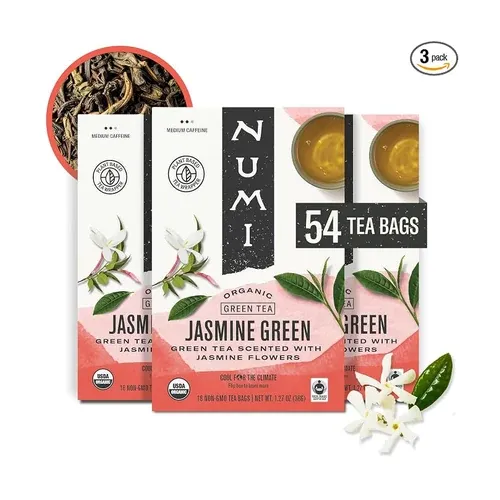
As an Amazon Associate, we earn from qualifying purchases.
8. Cocoa and Dark Chocolate for Flavanols
Cocoa contains flavanols. These are polyphenols. The problem is sugar. A candy bar is not the same as cocoa powder or high-cocoa dark chocolate.
Use unsweetened cocoa in yogurt, oats, or smoothies. If you like dark chocolate, choose a small amount with a higher cocoa level. This keeps the benefit idea without turning it into dessert marketing.
9. Extra-Virgin Olive Oil for Healthy Fats
Olive oil is not just "fat." Extra-virgin olive oil also brings polyphenols. More important, it helps you absorb fat-soluble nutrients from foods like tomatoes, carrots, greens, and peppers.
This is the key point: sometimes the pairing matters as much as the food. Tomato plus olive oil is smarter than tomato alone. Greens plus avocado or olive oil is smarter than a dry salad.
Affiliate pick
Use olive oil as an absorption helper
A good extra-virgin olive oil makes vegetables easier to enjoy and helps pair fat with carotenoid-rich foods.
Shop extra-virgin olive oil on Amazon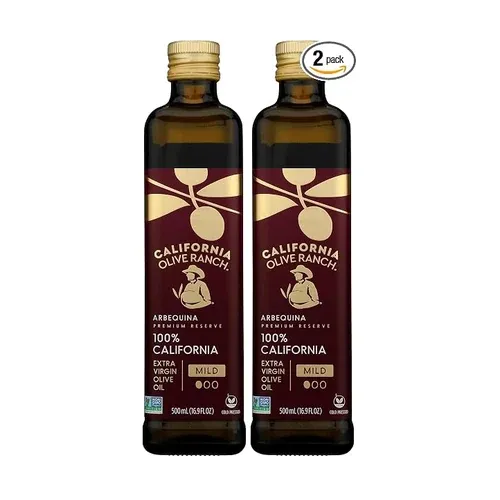
As an Amazon Associate, we earn from qualifying purchases.
10. Walnuts and Seeds for Vitamin E and Fats
Walnuts, almonds, sunflower seeds, chia seeds, and flaxseeds can support the skin diet because they bring fats, vitamin E, minerals, and fiber. They are also easy to add to meals.
Use a small handful. More is not always better. Nuts and seeds are calorie dense. The goal is steady use, not overeating.
11. Salmon, Sardines, and Eggs for Building Blocks
Not every skin food has to be a fruit or vegetable. Skin also needs protein. Fatty fish can bring omega-3 fats. Eggs bring protein and other nutrients. These foods help make the diet more complete.
If you do not eat fish or eggs, use beans, lentils, tofu, tempeh, nuts, and seeds. The key is to get enough protein across the day.
12. Beans and Lentils for Fiber and Minerals
Beans do not sound like a beauty food, which is exactly why they belong here. They bring fiber, minerals, and plant compounds. They also help keep meals steady and filling.
Blood sugar swings can affect how some people feel and look. A meal with beans, vegetables, olive oil, and protein is often more skin-friendly than a sweet snack that leaves you hungry again.
Best Antioxidant Foods by Skin Goal
The fastest way to make this useful is to match the food pattern to the skin goal. You do not need a perfect diet. You need the right daily repeat.
| Skin goal | Best food focus | Simple plate move |
|---|---|---|
| Dull-looking skin | Vitamin C + polyphenols | Berries with yogurt, citrus with breakfast |
| Sun-stressed skin | Carotenoids + SPF habits | Tomatoes with olive oil, carrots with hummus |
| Dry or tight feel | Healthy fats + protein | Olive oil, walnuts, salmon, eggs, or beans |
| Breakout-prone pattern | Fiber + low-sugar meals | Lentils, beans, greens, protein, fewer sweet drinks |
| Aging support | Protein + vitamin C + polyphenols | Greek yogurt, citrus, cocoa, green tea, colorful vegetables |
Who Should Use This Skin Food Matrix?
This guide is a good fit if you want a simple food system, not a strict diet. It is especially useful if your meals are low in color, low in protein, or built around quick refined snacks.
- Good fit: you want healthier-looking skin without chasing one miracle food.
- Good fit: you already use sunscreen and want inside-out support.
- Good fit: you want easy grocery ideas you can repeat weekly.
- Good fit: you want to connect diet with barrier care, glow, and aging support.
Who Should Not Treat Food as the Main Fix?
Food can support your skin, but it should not become a substitute for care you actually need. If a skin issue is painful, spreading, bleeding, infected, or leaving scars, food is not the main answer.
- Do not rely on food alone for severe acne, eczema, rosacea, psoriasis, melasma, or changing moles.
- Do not replace SPF with tomatoes, carrots, green tea, or any supplement.
- Do not start extreme restrictions if you have a history of disordered eating.
- Do not use high-dose supplements without checking whether they fit your health situation.
Common Antioxidant Food Mistakes
Mistake 1: Chasing One Superfood
One food cannot cover every skin pathway. Berries are useful, but they do not give enough protein or healthy fat. Olive oil helps absorption, but it does not replace vitamin C. Build a pattern.
Mistake 2: Eating Color Without Protein
A fruit-only breakfast may look healthy, but it can leave you hungry. Add Greek yogurt, eggs, tofu, beans, nuts, seeds, or fish so the meal supports repair and satiety.
Mistake 3: Forgetting Absorption
Some skin-support nutrients work better with fat. Tomatoes, carrots, greens, and sweet potatoes make more sense with olive oil, avocado, nuts, seeds, eggs, or hummus.
Mistake 4: Expecting a Fast Glow
Food habits are slow. Give the pattern 8 to 12 weeks. If your skin changes every few days, look at sleep, stress, weather, hormones, and product irritation too.
Deep-Dive SkinOptimizer Guides to Bookmark
Use these guides to build the full skin-support system around this food matrix.
- Best Sunscreen for Everyday Use - the non-negotiable step for sun-stress support.
- Restore Your Skin Barrier - start here if your skin stings, burns, or flakes.
- Power of Vitamin C for Anti-Aging - how topical vitamin C fits the food strategy.
- Gut Health and Skin Radiance - useful if dullness or breakouts seem tied to digestion.
- How to Prevent Wrinkles - the bigger aging-support routine beyond food.
How to Combine Antioxidant Foods So Your Body Can Use Them
This is where the article becomes practical. A long food list is not enough. Use these simple pairings.
- Tomatoes plus olive oil: good for lycopene absorption.
- Carrots plus hummus: beta-carotene with fat and protein.
- Spinach plus eggs: greens with protein and fat.
- Berries plus Greek yogurt: polyphenols with protein.
- Lentils plus lemon: fiber, minerals, and vitamin C.
- Green tea plus a low-sugar snack: polyphenols without a sugar spike.
If you want healthier-looking skin, build meals like this: color, protein, fat, fiber. That simple formula beats any single superfood.
The Optimizer's Edge
Do not build a skin diet around one famous food. Build a plate system. Half the plate should be colorful plants. Add protein. Add a healthy fat. Add one high-fiber carb if you need it. Repeat most days.
A Simple 7-Day Skin Antioxidant Plan
This is not a strict diet. It is a simple pattern you can copy. Change foods based on allergies, budget, taste, and culture.
7-Day Antioxidant Skin Plate Plan
- Monday: Greek yogurt, berries, walnuts, green tea.
- Tuesday: Tomato soup with olive oil, lentils, side salad.
- Wednesday: Eggs with spinach and red peppers.
- Thursday: Salmon or tofu bowl with carrots and greens.
- Friday: Bean chili with tomatoes, peppers, and avocado.
- Saturday: Oats with cocoa, berries, and chia seeds.
- Sunday: Roasted sweet potato, greens, olive oil, protein of choice.
What Antioxidant Foods Cannot Do
This part matters for trust. Food can support skin health, but it cannot do everything.
Antioxidant foods cannot replace sunscreen. They cannot treat skin cancer. They cannot cure acne, eczema, rosacea, melasma, or psoriasis. They cannot erase deep wrinkles. They cannot replace a dermatologist when you have pain, bleeding, fast-changing spots, infection signs, or severe breakouts.
They also cannot fix a damaged barrier if your skincare routine keeps causing irritation. If your skin stings, flakes, burns, or feels tight, start with barrier care. Read our guide to restore your skin barrier and our guide to best ingredients for skin barrier repair.
For aging support, food works best when paired with sunscreen, sleep, gentle cleansing, and proven skincare. If you use retinoids, go slowly. Our eye-area guide explains this in detail: retinol for eyes. For a broader routine, see our guide on how to prevent wrinkles.
Who Should Be Careful With Diet Changes?
Most foods in this guide are normal foods. Still, some people should be careful. If you have kidney disease, diabetes, food allergies, an eating disorder history, digestive disease, pregnancy concerns, or take blood-thinning medicine, ask a qualified health professional before making big changes.
Also be careful with high-dose supplements. Food and supplements are not the same. A bowl of berries is not the same as a megadose antioxidant pill. In many cases, a varied diet is safer and more useful than chasing high-dose capsules.
The Best Antioxidant Shopping List for Skin
If you want a simple list, start here. Buy what fits your budget. Frozen fruits and vegetables count.
- Fruit: blueberries, strawberries, oranges, kiwi, pomegranate, apples.
- Vegetables: spinach, kale, tomatoes, red peppers, carrots, sweet potatoes, broccoli.
- Fats: extra-virgin olive oil, avocado, walnuts, almonds, chia seeds, flaxseeds.
- Protein: eggs, salmon, sardines, beans, lentils, tofu, Greek yogurt.
- Drinks: green tea, black tea, water, unsweetened cocoa drink.
Affiliate pick
Unsweetened cocoa powder
Cocoa powder lets you add cocoa flavanols without turning the habit into a high-sugar candy routine.
Shop unsweetened cocoa on Amazon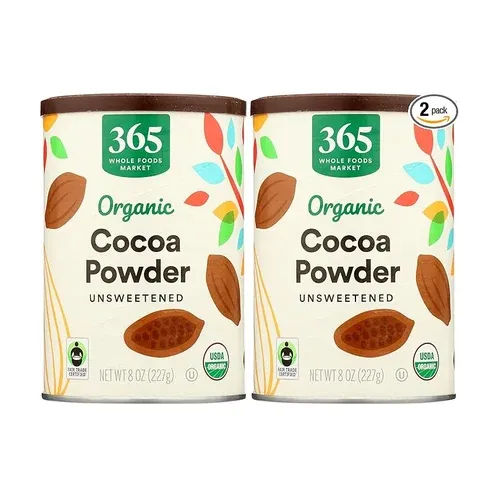
As an Amazon Associate, we earn from qualifying purchases.
How Long Before Skin Looks Better?
Do not expect overnight change. Food habits usually need weeks or months. Some people notice better energy and less snack craving first. Some notice smoother digestion. Skin changes may be slower.
A fair timeline is 8 to 12 weeks. That gives your body time to repeat the pattern. Take a simple photo in the same light once a month if you want to track change. Do not check your face ten times a day. That makes you notice stress, not progress.
Also remember that skin changes with hormones, weather, stress, travel, sleep, and products. Food is one lever. It is not the whole machine.
Frequently Asked Questions About Antioxidant Foods for Skin
What is the best antioxidant food for skin?
There is no single best food. The best choice is a mix of colorful fruits and vegetables, green tea, cocoa, olive oil, nuts, seeds, and enough protein.
Can antioxidant foods make skin glow?
They may help support a healthier look over time, especially if your current diet lacks color, fiber, and protein. They do not work like makeup or a cosmetic treatment.
Do antioxidant foods replace sunscreen?
No. Antioxidant foods do not replace sunscreen. Use daily SPF and sun-safe habits. Food is extra support, not your main UV defense.
Are antioxidant supplements better than food?
Usually no. Food gives a mix of nutrients, fiber, water, and plant compounds. High-dose supplements can be risky for some people.
What foods should I eat every day for skin?
A simple daily base is one vitamin C food, one colorful vegetable, one protein source, one healthy fat, and one high-fiber food.
Does green tea help skin?
Green tea contains catechins, which are polyphenols. It can be a useful skin-support drink, especially when it replaces sugary drinks.
Is dark chocolate good for skin?
High-cocoa dark chocolate or unsweetened cocoa can add flavanols. Keep portions small and avoid making it a high-sugar habit.
Can food fix acne?
Food may help some people, but it does not cure acne for everyone. If acne is painful, scarring, or persistent, consider professional care.
Sources Used
- Dietary interventions in skin ageing: a systematic review and meta-analysis
- Skin Aging and Carotenoids: A Systematic Review
- Antioxidants to Defend Healthy and Youthful Skin
- MedicalNewsToday: Antioxidants for skin
- Healthline: Foods for healthy skin
Bottom line: antioxidant foods for skin work best as a simple pattern. Eat more color. Add protein. Use healthy fats. Drink less sugar. Keep sunscreen. Give it time.
This article is for informational purposes only and does not replace professional dermatological advice.