Hydration Hub
Skin Hydration & Moisturizers
A practical guide to dehydrated skin, dry skin, moisturizer textures, humectants, ceramides, oils, and simple routines that help skin feel comfortable without overloading your shelf.
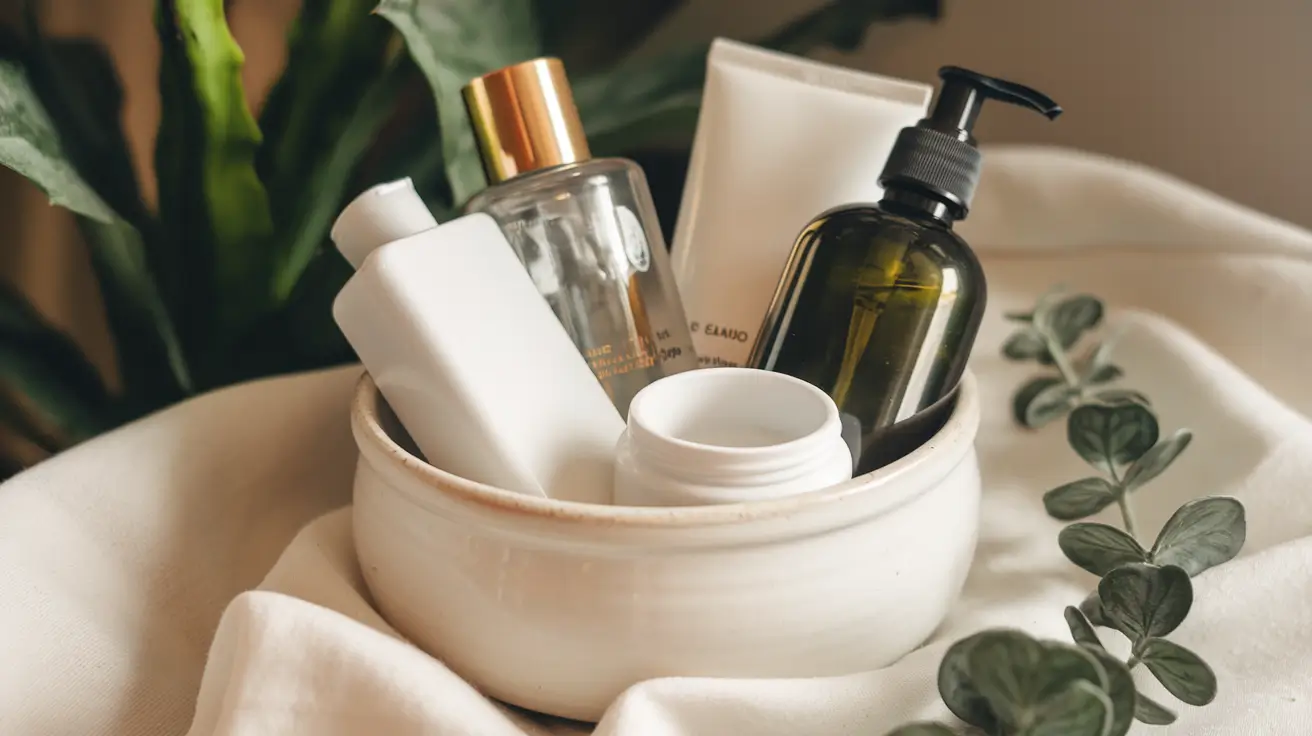
Start with water, seal, and texture fit
Hydration routines work best when you separate what the skin lacks from what the product is meant to do. Dehydrated skin needs water support. Dry skin often needs more lipid comfort and moisture-loss control.
01Understand the issueDehydrated, dry, tight, flaky, and oily-but-tight skin need different decisions.
02Build the routineLayer hydration without making sunscreen, makeup, or acne products pill.
03Choose productsMatch gel, lotion, cream, balm, oil, or SPF moisturizer to your skin.
04Fix common mistakesLearn why skin can still feel dry after moisturizer and how to adjust.
Hydration basics
Hydration and moisturization are not the same job
Hydration is about water content in the outer layers of skin. Moisturization is about softening the skin and helping reduce water loss. A good routine often uses both ideas, but the balance changes by skin type, climate, season, and product tolerance.
If skin feels tight but still looks shiny, you may need lighter hydration and barrier support instead of a very heavy cream. If skin is flaky, rough, or uncomfortable, a richer moisturizer or an occlusive final layer may be more useful.
What this hub helps you decide
- Whether your skin is dehydrated, dry, or barrier-stressed.
- Which moisturizer texture fits oily, dry, sensitive, aging, or acne-prone skin.
- How to layer serums, moisturizers, oils, and sunscreen without pilling.
- When ingredients like glycerin, hyaluronic acid, ceramides, shea butter, and facial oils make sense.
Routine framework
Build a simple hydration routine
Start with a gentle cleanse, add hydration while skin is slightly damp if your routine tolerates it, moisturize with a texture that fits your skin, and finish daytime routines with sunscreen.
Conversion path
Product paths for hydration and moisturizers
Use these guides when you are ready to choose a formula by skin type, texture preference, or routine role.
Choose the right moisturizer path
Moisturizer shopping is easier when you decide whether you need lightweight hydration, richer comfort, sensitive-skin support, or a barrier-focused formula.
Dry skinBest face moisturizers for dry skinRicher options for rough, tight, or flaky skin.
Oily skinBest moisturizers for oily skinHydration without a heavy or greasy finish.
Sensitive skinFragrance-free moisturizersLower-friction formulas for reactive routines.
Barrier supportMoisturizers for barrier repairComfort-focused products for stressed skin.
Ingredient literacy
Read moisturizer ingredients by function
A strong hydration routine usually combines ingredient jobs rather than chasing one miracle ingredient. Humectants help with water, emollients improve softness, occlusives help hold moisture in, and barrier ingredients support comfort.
For beginners, the goal is not to stack every ingredient. It is to pick one moisturizer that fits your skin most days, then add a serum, oil, or mask only when there is a clear reason.
Learn the ingredient jobs
These guides help you connect ingredient claims to what your skin actually needs.
BasicsHydration vs moisturizationUnderstand the difference before choosing products.
HumectantHyaluronic acid for hydrationUse water-binding ingredients without overcomplicating.
BarrierCeramides for skin barrier healthLearn when barrier lipids can help comfort.
OilsMoisturizing oils for the faceKnow where oils fit and where they do not.
Related hubs
What to learn next
FAQ
Hydration and moisturizer questions
Short answers for choosing moisturizer texture, layering hydration, and fixing dry or dehydrated skin routines.
What is the difference between dry and dehydrated skin?
Dry skin lacks oil or lipid comfort. Dehydrated skin lacks water. Some people experience both, so routines often need hydration plus moisture support.
Why does my skin still feel dry after moisturizer?
The moisturizer may be too light, the cleanser may be stripping, the barrier may be stressed, or the routine may need better water-loss control.
Should oily skin use moisturizer?
Yes. Oily skin can still be dehydrated or irritated. A lightweight gel or lotion moisturizer is often easier than skipping moisturizer entirely.
Can I use hyaluronic acid every day?
Many routines can use it daily, but it should be paired with a moisturizer if skin feels tight or if the air is dry.
Are facial oils moisturizers?
Oils can soften and help reduce moisture loss, but they do not replace every moisturizer function. They are usually best as an optional support step.
When should I use a richer cream?
Use a richer cream when skin feels rough, flaky, tight, or uncomfortable with lighter lotions, especially at night or in colder weather.
Latest hydration and moisturizer articles
Browse moisturizer guides, dry skin routines, ingredient explainers, barrier support advice, and product paths for better daily comfort.
Skin Hydration and Moisturizers
Best Urea Face Creams: 5% Formulas and Variant Checks
Compare Eucerin, ZEROID and Sebamed urea face creams. Check strength, fragrance, market versions and retinoid cautions before buying a facial formula.
Skin Hydration and Moisturizers
Best Niacinamide-Free Moisturizers: A Label-Checked Shortlist
A dated US-label check of three niacinamide-free moisturizers, with texture trade-offs, regional formula cautions and practical Reddit-informed FAQs.
Skin Hydration and Moisturizers
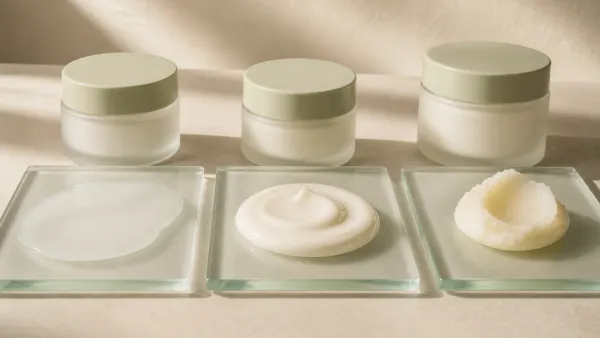
Best Moisturizer for Tretinoin: 3 Formulas Compared
Compare three moisturizers for tretinoin by texture, ingredients and routine fit. Includes dry-skin trade-offs, buying checks and Reddit-informed FAQs.
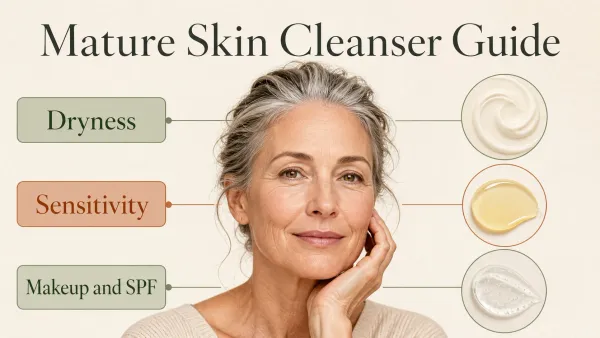
Anti-Aging Skincare
Best Cleansers for Mature Skin: Gentle Picks for Dryness and Sensitivity
A gentle cleanser guide for mature skin organized by dryness, sensitivity and makeup-removal needs.
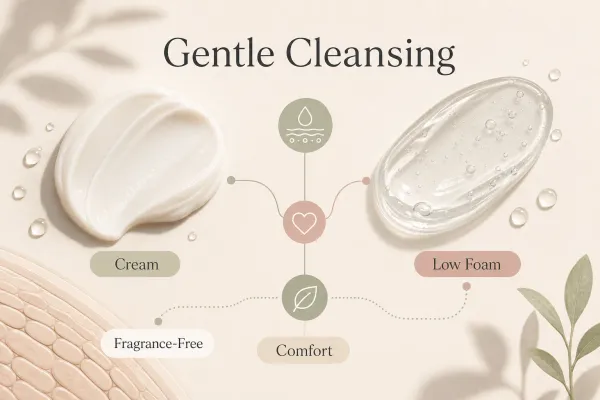
Skin Hydration and Moisturizers
Best Cleansers for Dry and Sensitive Skin: Gentle Picks That Don't Strip
A barrier-first cleanser guide with three practical picks for dry, sensitive and easily irritated skin.

Skin Hydration and Moisturizers
How to Moisturize Dehydrated Skin Without Overdoing It
A practical four-step reset for dehydrated skin that explains ingredient roles, product order, climate adjustments and when tightness is more than dehydration.
Skin Hydration and Moisturizers
Hyaluronic Acid for Skin Hydration: How to Use It Well
A practical guide to topical hyaluronic acid, damp-skin layering, moisturizer pairing, product choice and realistic hydration limits.

Skin Hydration and Moisturizers
Overnight Hydration Masks: How to Choose and Use Them
A practical guide to overnight hydration masks by texture, skin need and routine fit, with three direct product picks and clear limits.
Skin Hydration and Moisturizers
Ceramide Moisturizers: Choose the Right Barrier Cream
Choose a ceramide moisturizer by texture and complete formula, then use it correctly for dry, sensitive or treatment-stressed skin.
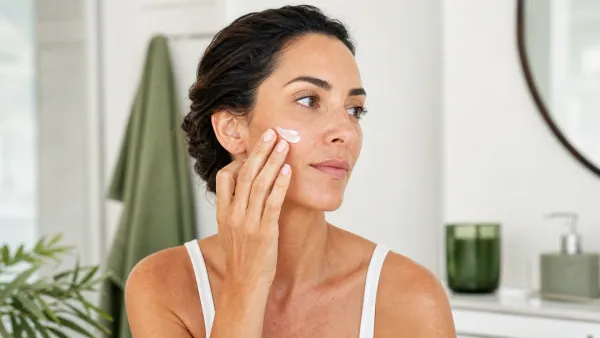
Skin Hydration and Moisturizers
Best Moisturizers for Dry Skin: 3 Clear Choices
Choose the right moisturizer for facial dryness, sensitive skin or rough body skin without paying for overlapping products.
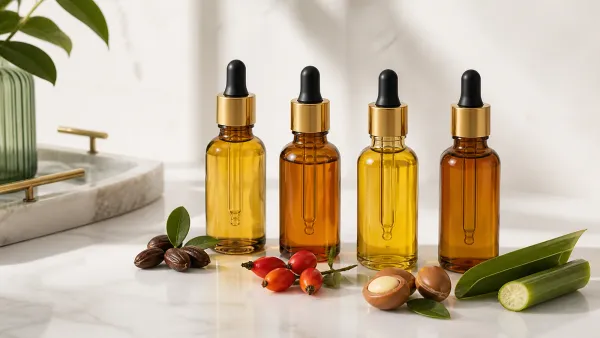
Skin Hydration and Moisturizers
Best Face Oils in 2026: 6 Picks by Skin Type and Texture
Compare six verified face oils by texture and skin type, then learn how to layer squalane, jojoba, rosehip or argan without replacing moisturizer.

Skin Hydration and Moisturizers
Best Cream Moisturizers for Glowing Skin in 2026: 5 Picks
Five current cream moisturizers matched to dry, reactive, very dry, premium, and mature-looking skin—with honest limits on what glow means.