Repair Hub
Skin Barrier Repair
A practical guide for skin that feels tight, irritated, over-exfoliated, dry, or reactive. Learn how to simplify your routine, rebuild comfort, and choose barrier-supportive products.

Simplify first, then rebuild
Barrier repair is not about adding every soothing ingredient at once. The goal is to reduce irritation, restore moisture, and make the routine predictable again.
Barrier basics
Signs your skin barrier may need support
A stressed barrier can make ordinary products sting, leave skin feeling tight after moisturizing, or create a cycle of dryness and irritation. The fix is usually less product pressure and more consistency.
Barrier repair is often misunderstood as buying the richest cream possible. In practice, it starts by removing friction: too many actives, harsh cleansing, frequent exfoliation, fragrance sensitivity, or layering products that leave skin uncomfortable.
What this hub helps you decide
- Whether your skin needs a routine reset before more treatment products.
- Which steps to pause when skin feels reactive.
- How to choose moisturizers and ingredients for comfort.
- When to reintroduce actives after skin calms down.
Repair routine
Build a low-irritation repair routine
For a short reset, keep the routine boring: gentle cleanse, moisturize, sunscreen, and pause strong exfoliants or aggressive treatment steps until skin feels normal again.
Conversion path
Product paths for barrier repair
Use these guides when you are ready to choose products that support comfort and moisture retention.
Choose calm, supportive products
Barrier repair product choices should reduce friction in the routine, not add more steps to manage.
IngredientsBest barrier repair ingredientsUnderstand ceramides, humectants, and soothing support.
Sensitive skinFragrance-free moisturizersLower-friction options for reactive routines.
MoisturizerMoisturizers for sensitive skinSupport comfort without overcomplicating the routine.
ShoppingPick the right moisturizerMatch texture and support level to skin needs.
Ingredient literacy
Choose ingredients by barrier job
Barrier-supportive formulas often combine humectants, emollients, occlusives, and soothing ingredients. The point is not to memorize every ingredient, but to understand the job each type performs.
If skin feels tight and reactive, look for a routine that adds water, softens roughness, and reduces moisture loss without introducing too many new active ingredients at once.
FAQ
Skin barrier repair questions
Short answers for simplifying a routine when skin feels irritated, dry, or reactive.
How do I know if my skin barrier is damaged?
Common clues include stinging, tightness, flaking, unusual redness, and products suddenly feeling irritating.
Should I stop exfoliating during barrier repair?
Usually yes, at least temporarily. Strong exfoliation can keep reactive skin from calming down.
What is the simplest barrier repair routine?
Gentle cleanser, moisturizer, and sunscreen. Keep treatment steps paused until the skin feels stable.
Are ceramides necessary?
Ceramides can be helpful, but the full formula matters. A comfortable, consistent moisturizer is the priority.
Can acne products damage the barrier?
They can if overused or stacked too aggressively. Acne-prone skin often needs treatment pacing plus moisturizer support.
When can I restart active ingredients?
Restart after skin feels comfortable again, and add one product at a time at a lower frequency.
Latest skin barrier articles
Browse barrier repair guides, moisturizer advice, ingredient explainers, and routine reset strategies.

Skin Barrier Repair
Recognizing the Signs of a Damaged Skin Barrier
Is your skin dry, itchy, or breaking out? Learn to recognize the 7 signs of a damaged skin barrier and discover effective ways to repair and protect it.

Skin Barrier Repair
What is the Skin Barrier and Why Is It Important?
Discover the secrets to a healthy skin barrier! Learn what it is, why it's crucial, and how to protect and repair it for radiant, youthful skin.

Skin Barrier Repair
Best Ingredients for Skin Barrier Repair: What Actually Works
Choose skin barrier repair ingredients by function, skin type, and routine stage—not front-label hype.

Skincare Routines for Different Skin Types
Hard Water and Skin: What It Can Affect and What Actually Helps
An evidence-led guide to hard water and skin, including a gentle routine, filter-versus-softener limits, and a practical 14-day test.

Skincare Routines for Different Skin Types
Best Cleansers for Rosacea: Gentle Picks by Skin State
A state-based cleanser guide for rosacea-prone skin, including flare days, daily cleansing and sunscreen removal.
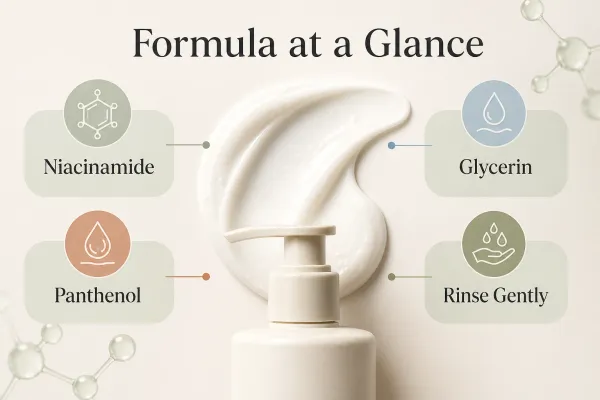
Skincare 101
Cetaphil Gentle Skin Cleanser: Ingredients, Use and Who It Suits
An evidence-led look at Cetaphil Gentle Skin Cleanser ingredients, use, skin-type fit and limitations.

Skin Hydration and Moisturizers
Best Cleansers for Dry and Sensitive Skin: Gentle Picks That Don't Strip
A barrier-first cleanser guide with three practical picks for dry, sensitive and easily irritated skin.
Skin Barrier Repair
Best Moisturizers for Skin Barrier Repair in 2026: 6 Picks
Six verified barrier moisturizers, a texture-first comparison and a practical reset routine for dry, stinging or over-treated skin.
Skincare 101
CeraVe vs Cetaphil: Which Brand Is Better for Your Skin?
CeraVe and Cetaphil compared by cleanser, cream, facial lotion, skin type, texture, and barrier support.

Skin Barrier Repair
Skin Barrier Damage: What to Stop, Use, and Avoid for Calmer Skin
Learn what causes skin barrier damage, what to stop first, what to use instead, and how to restart actives without irritating your skin again.

Skin Barrier Repair
How to Restore Your Skin Barrier: Evidence-Based Repair Protocol
Science-backed guide to restoring your skin barrier. The 4-phase repair protocol, 3:1:1 ceramide ratio, and ingredients that rebuild the lipid barrier.

Skin Barrier Repair
Ceramides for Skin Barrier Health: Evidence-Based Guide to Lipid Barrier Repair
Evidence-based guide to ceramides for skin barrier health. Learn the 12 ceramide classes, clinical evidence, and how to choose the right formulation.