SkinOptimizer Guide Hub

Skincare 101

Start here if you want a calmer, more useful skincare routine. This hub organizes the basics: routine order, product safety, layering, beginner mistakes, and the terms that make product labels easier to understand.

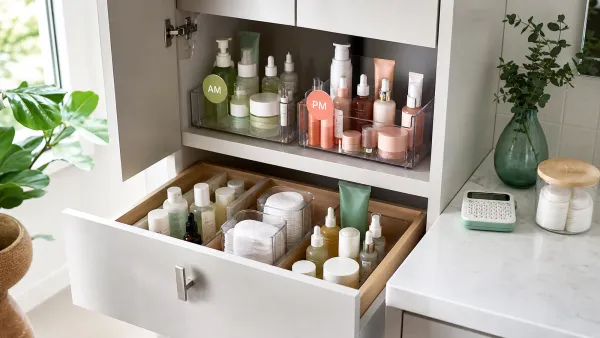
AM
  1. Cleanse
  2. Treat
  3. Moisturize
  4. SPF
PM
  1. Cleanse
  2. Treat
  3. Moisturize

Start with these guides

Four useful entry points before browsing the full Skincare 101 archive. Start with routine order, then slow product introductions, common layering problems, and basic product safety.

If you are new Begin with the AM/PM routine guide and keep your first routine to cleanser, moisturizer, and sunscreen.
If your skin reacts easily Read the slow-start guide before adding acids, retinoids, vitamin C, or multiple new products at once.
If products feel confusing Use the explainers to decode product types, expiration dates, layering order, and texture issues.
Patch test first Apply new formulas to a small area before using them across your face.
Change one thing Introduce one product at a time so you can tell what helps or irritates.
Protect every morning Sunscreen is the anchor step for uneven tone, aging concerns, and irritation recovery.
Stop when skin stings Burning, peeling, or tightness usually means the routine needs to be simplified.
Pillar guide

What Skincare 101 covers

Skincare 101 is the foundation layer of a routine: what to use, when to use it, how slowly to introduce it, and how to tell whether your skin is tolerating the change. The goal is not a long shelf of products. The goal is a routine that is simple enough to repeat and flexible enough to adjust.

Most beginner routines become confusing when product categories overlap. A toner can hydrate, exfoliate, or simply feel refreshing. A serum can target uneven tone, dryness, fine lines, or acne-prone skin. A moisturizer can be lightweight, barrier-supportive, or occlusive. This hub keeps the starting point practical: cleanse gently, moisturize consistently, protect with sunscreen in the morning, and add treatment products only when the base routine is stable.

Use this page when you want to:

  • Build a basic AM and PM skincare routine without guessing the order.
  • Understand product types before buying another serum, ampoule, or cream.
  • Fix common beginner problems like pilling, over-layering, or expired products.
  • Move from general basics into skin-specific hubs for acne-prone skin, barrier repair, hydration, sunscreen, and anti-aging.

Routine order Know what comes first, what comes last, and what can stay optional.
Product decisions Choose products by function instead of collecting every category.
Safer pacing Add one new step at a time so reactions are easier to understand.
Next hub Move into acne, barrier, sunscreen, hydration, or anti-aging when ready.
Routine basics

The beginner routine framework

A good beginner routine is built around a few repeatable steps. Add complexity only after your skin feels comfortable with the basics.

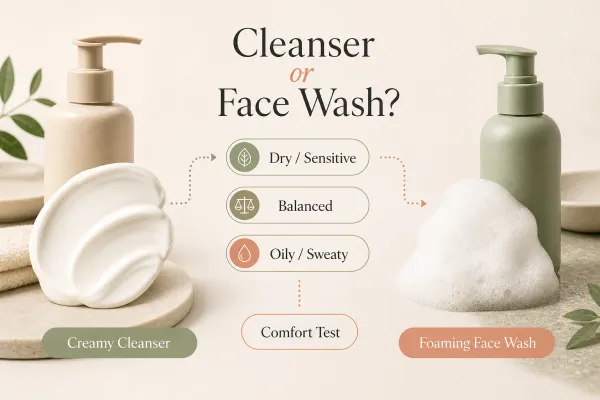
1 Cleanser Removes sunscreen, makeup, sweat, and excess oil without leaving skin tight or stripped.
2 Treatment Targets one main goal such as breakouts, dullness, uneven tone, dryness, or visible aging.
3 Moisturizer Supports comfort, reduces tightness, and helps keep the routine tolerable over time.
4 Sunscreen The morning anchor step for protecting skin and supporting nearly every long-term skincare goal.

Morning routine

  • Cleanse if your skin needs it, or rinse gently if it feels dry.
  • Use a lightweight treatment only if your skin tolerates it.
  • Moisturize enough to keep skin comfortable.
  • Finish with sunscreen as the last skincare step.

Evening routine

  • Remove sunscreen and makeup thoroughly.
  • Use treatment products at a pace your skin can handle.
  • Moisturize to reduce dryness and support recovery overnight.
  • Pause strong actives if skin feels irritated or unusually tight.
Product literacy

Understand product types before adding more steps

Product names can make a routine feel more advanced than it is. The important question is not whether something is called a toner, serum, ampoule, essence, cream, or balm. The useful question is what it does for your skin and whether it fits the routine you can follow consistently.

When a product is unclear, check three things: its main function, where it fits in the routine, and whether it overlaps with something you already use. If two products promise the same result, you usually do not need both in a beginner routine.

Troubleshooting

Common beginner skincare mistakes

Most routine problems come from moving too fast, layering too much, or expecting every product to solve every concern. Use these checkpoints before replacing your whole routine.

Products pill or roll up This is often a layering, amount, texture, or dry-time problem rather than a sign that every product is bad. Too many new products Adding several products at once makes it hard to know what helped and what irritated your skin.
Skipping sunscreen Morning protection matters when your goals include tone, texture, visible aging, or post-breakout marks.
Chasing every trend A product can be popular and still be unnecessary for your current skin needs.
Skin tolerance

How to keep a routine skin-friendly

A beginner routine should make your skin easier to manage, not more reactive. If your skin starts feeling hot, tight, unusually flaky, or uncomfortable, simplify the routine before adding more actives. Consistency matters, but tolerance matters first.

For stronger products, start with low frequency and watch how your skin behaves over several days. Many routines fail because they are technically impressive but too aggressive for daily use.

What to learn next

Move from the basics into more specific routines, ingredients, and skin concerns.

FAQ

Skincare 101 questions

Short answers for the decisions beginners usually face when building or simplifying a routine.

How many products does a beginner routine need?

Most beginners can start with cleanser, moisturizer, and sunscreen. A treatment product can come later once the routine feels stable.

Should I use a different routine in the morning and evening?

Usually yes. Morning routines focus on comfort and sun protection. Evening routines focus on cleansing and optional treatment steps.

How slowly should I add new skincare?

Add one new product at a time and give your skin several uses before adding another. This makes reactions easier to identify.

Do I need a toner, essence, serum, and ampoule?

No. These categories can be useful, but they are optional. Choose products by function, not by how many categories a routine includes.

What should I do if products pill?

Use less product, allow more dry time between layers, simplify the number of layers, and check whether textures are compatible.

When should I move to skin-specific advice?

Move to a focused hub when your basic routine is consistent and you know your main concern, such as acne-prone skin, barrier repair, hydration, sunscreen, or anti-aging.

Latest Skincare 101 articles

Browse the full archive for beginner guides, product explainers, routine questions, and skincare terminology.