Skin Concern Hub
Acne-Prone Skin
A practical guide to building routines for skin that breaks out easily. Start with gentle cleansing, barrier support, non-comedogenic moisture, sunscreen, and targeted treatments that do not overwhelm the skin.

A calmer path to clearer skin
Acne-prone skin usually needs consistency more than intensity. Use this page to simplify your routine, choose acne-aware products, and avoid the common pattern of drying skin out until it becomes more reactive.
Routine framework
Build an acne-friendly routine first
The foundation is not a long acne routine. It is a routine your skin can tolerate: a cleanser that does not strip, a moisturizer that does not feel heavy, sunscreen that does not clog, and one treatment step introduced slowly.
Acne-prone skin often gets worse when the routine becomes a cycle of drying, scrubbing, and adding stronger actives. A better starting point is to make the skin less reactive, then use acne-targeted products with a clear job.
What this hub helps you decide
- Which steps belong in a basic acne-prone routine.
- When to use spot support instead of changing the whole routine.
- How to keep sunscreen and moisturizer in the routine without feeling heavy.
- Which product guides to read when you are ready to compare options.
Troubleshooting
Common acne routine mistakes
When a routine keeps failing, check the basics before replacing everything. Many breakouts are made worse by over-cleansing, too many actives, heavy residue, or skipping sunscreen because SPF feels uncomfortable.
Conversion path
Product paths for acne-prone skin
Use these guides after the routine logic is clear. They help move from education into product selection without turning this hub into a shop page.
Choose acne-aware products
Start with cleanser, moisturizer, sunscreen, and spot support before adding a crowded treatment shelf.
CleanserBest cleansers for acne-prone skinGentle cleansing options for breakout-prone routines.
SPFBest sunscreens for acne-prone skinDaily protection without a heavy feel.
Spot supportAcne patchesA targeted option for individual pimples.
ShoppingNon-comedogenic productsUnderstand product choices with clogging risk in mind.
Ingredients and treatment pacing
Use acne treatments without overwhelming your skin
Acne products can be effective and irritating at the same time. Benzoyl peroxide, salicylic acid, retinoids, sulfur, and azelaic acid all have different roles, so the safest path is to choose one lane first.
If a treatment causes burning, peeling, or tightness that gets worse each week, simplify. A damaged barrier can make acne routines harder to judge because every product starts to feel like the problem.
FAQ
Acne-prone skin questions
Short answers for common decisions when building or simplifying an acne-prone skincare routine.
Should acne-prone skin still use moisturizer?
Yes. Lightweight moisturizer can reduce dryness and irritation, especially when acne treatments are part of the routine.
Can sunscreen make acne worse?
Some formulas can feel heavy, but sunscreen itself is still important. Look for textures designed for daily facial use or acne-prone skin.
How many acne treatments should I use at once?
Start with one main treatment. Combining several strong actives makes irritation and product reactions harder to identify.
What should I do if acne products sting?
Pause strong actives, simplify the routine, moisturize consistently, and restart treatments slowly once the skin feels comfortable.
Are non-comedogenic products always safe?
They are a useful filter, but not a guarantee. Texture, amount used, and individual tolerance still matter.
When should acne be handled by a professional?
Seek professional advice for painful cysts, scarring, acne that does not improve, or breakouts affecting quality of life.
Latest acne-prone skin articles
Browse the full archive for acne routines, product explainers, ingredient guides, and troubleshooting advice.

Skincare for Acne-Prone Skin
How to Clear Back Acne: A 6-Week Treatment Plan
How to clear back acne: identify the bumps, choose the right wash, reduce friction, and follow a practical six-week plan for clearer skin at home.

Skincare for Acne-Prone Skin
Post-Acne Redness: Causes, Care and When to Get Help
Learn effective strategies to heal post-acne redness and restore your skin's natural glow with simple tips!

Skincare for Acne-Prone Skin
Diet and Acne: What the Evidence Supports
Explore how diet influences acne and discover foods for clearer skin in this fun, informative guide!
Skincare for Acne-Prone Skin
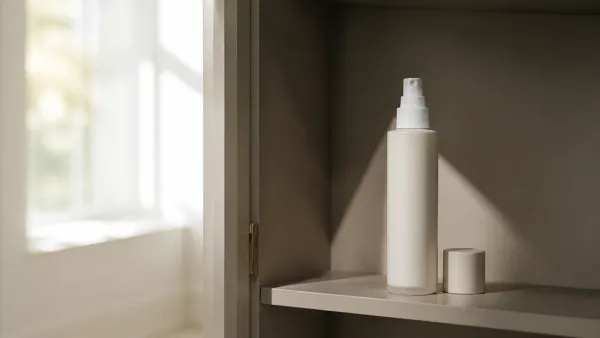
Best Hypochlorous Acid Sprays: Tower 28, Briotech & E11ement
Compare Tower 28, Briotech and standard E11ement skin sprays. Check formula identity, storage, refill cautions and value without unsupported dupe claims.
Skincare for Acne-Prone Skin
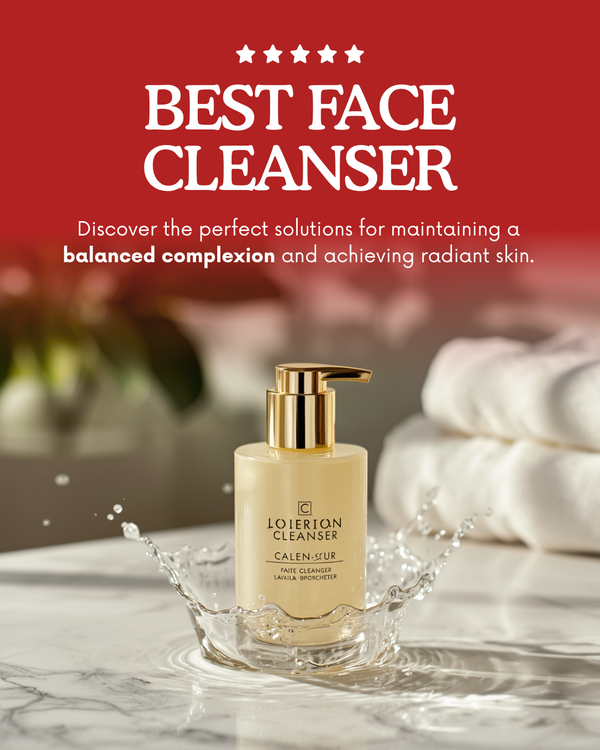
Best Face Cleanser for Oily Skin: Choose by Breakout Type
A decision-first guide to choosing an oily-skin cleanser by breakout type, sensitivity and the actives already in your routine.

Skincare for Acne-Prone Skin
Salicylic Acid for Acne: How to Start Without Overdoing It
How salicylic acid fits blackheads and clogged pores, which format to choose, and how to avoid an irritated over-exfoliated routine.

Skincare for Acne-Prone Skin
How to Treat Blackheads: A Safe Step-by-Step Plan
A practical blackhead plan covering pore-focused ingredients, realistic timelines, extraction limits and common irritation traps.
Skincare for Acne-Prone Skin
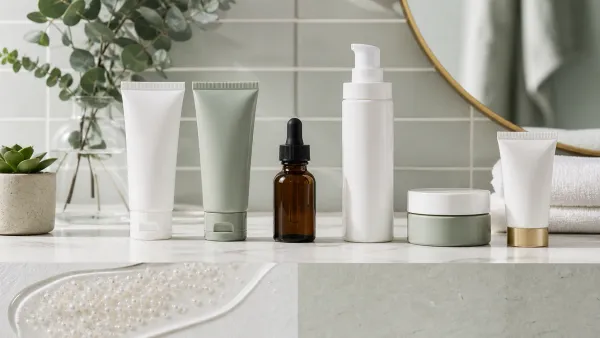
How to Treat Whiteheads: A Clear, Gentle Plan
A practical whitehead treatment plan using a gentle base, one pore-clearing active and a realistic six-to-eight-week timeline.
Skincare for Acne-Prone Skin
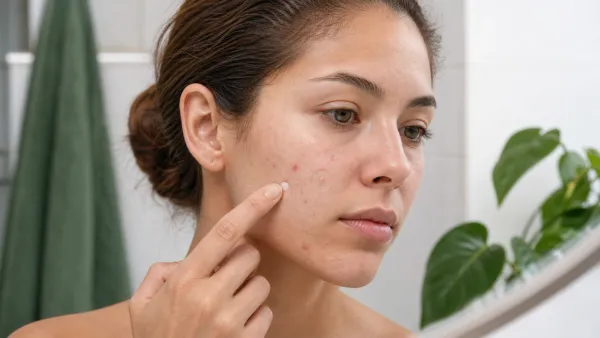
Best Spot Treatments for Pimples by Breakout Type
Match the treatment to a red pimple, surfaced whitehead, clogged area or deep painful breakout instead of stacking harsh products.
Skincare for Acne-Prone Skin
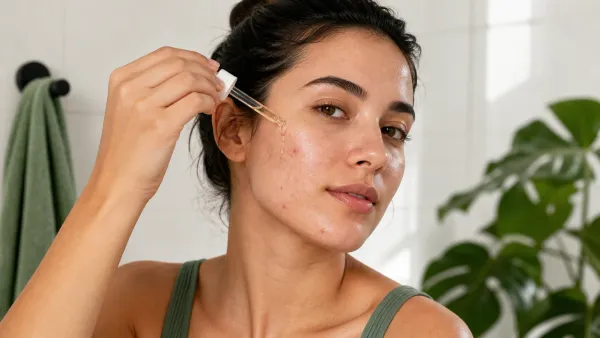
Best Acne Serums: Choose the Right Active First
Choose an acne serum by breakout type and active ingredient, then introduce one treatment without stacking irritation.
Skincare for Acne-Prone Skin
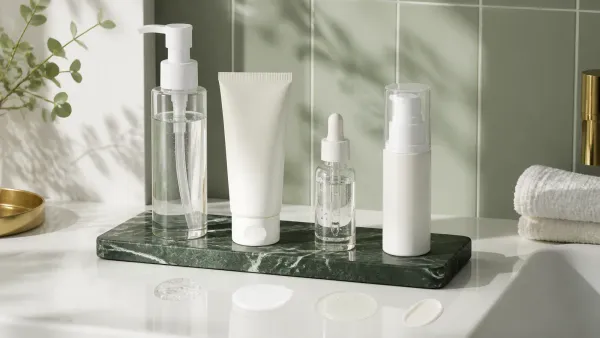
Best Non-Comedogenic Products for Acne-Prone Skin: 6 Picks
Six verified non-comedogenic product picks and a simple acne-prone routine that separates cleanser, treatment, moisturizer and sunscreen roles.
Skincare for Acne-Prone Skin
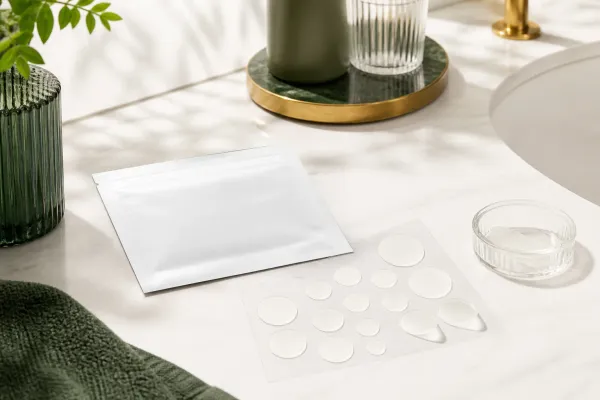
Best Acne Patches for Overnight Use in 2026: 6 Honest Picks
Six verified acne-patch picks, the pimples they actually fit, and a clear guide to using hydrocolloid overnight without unrealistic promises.