Natural Skincare Hub
Natural Skincare Solutions
A practical guide to natural skincare ingredients, plant-based routines, DIY caution, essential oils, aloe, honey, shea butter, green tea, clay masks, and natural acne or pigmentation support.
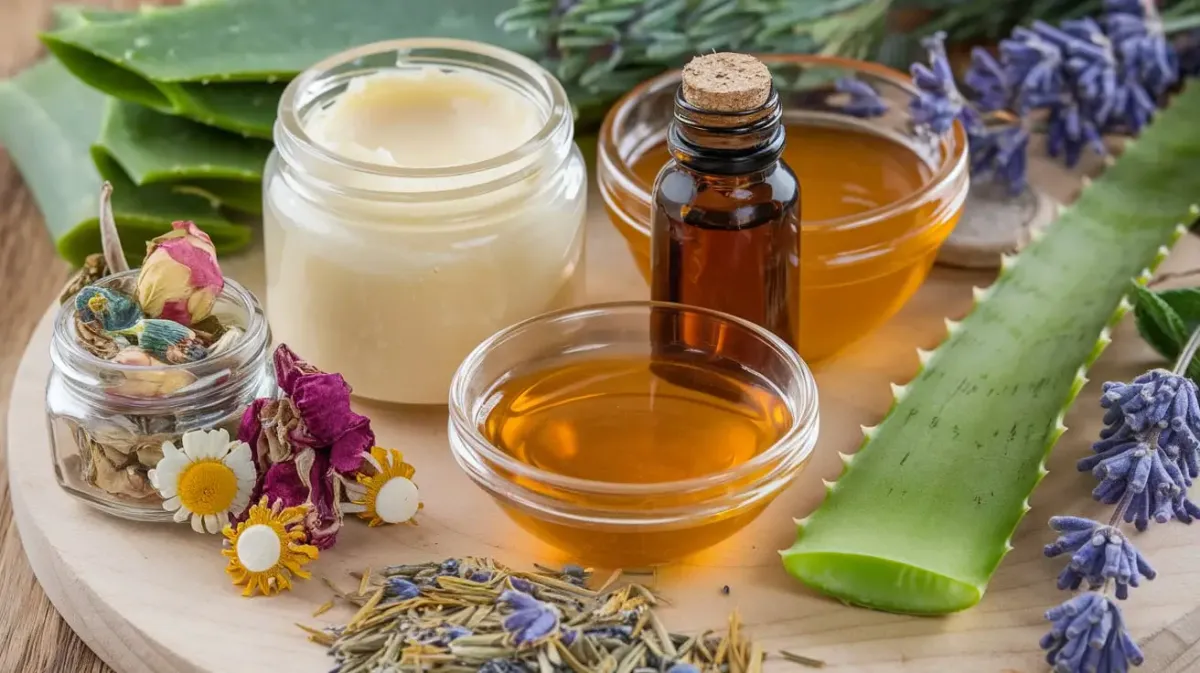
Use natural skincare with the same standards as any formula
Natural ingredients can be useful, but natural does not automatically mean safer, gentler, or more effective. The best natural routine still needs evidence, fit, and patch testing.
01Define naturalUnderstand whether the claim is about source, formula, or marketing.
02Build safelyKeep the routine gentle and avoid kitchen experiments on reactive skin.
03Choose ingredientsMatch green tea, shea butter, aloe, clay, or oils to a specific job.
04Patch testTreat essential oils and DIY acids with caution.
Basics
Natural skincare still needs evidence and tolerance
A plant-based ingredient can soothe, moisturize, exfoliate, or irritate depending on dose, formula, and skin type. The source of an ingredient does not tell the whole story.
Use natural skincare as a decision category, not a guarantee. Ask what the ingredient does, whether it belongs on your face, how it is formulated, and what irritation risks exist.
What this hub helps you decide
- Patch test natural products like any other product.
- Avoid harsh DIY acids and abrasive scrubs on the face.
- Do not assume essential oils are gentle.
- Use sunscreen and moisturizer even in natural routines.
Routine
Build a natural routine without irritating the skin
Keep the routine grounded: gentle cleanser, moisturizer, sunscreen, and one natural-leaning product that solves a specific concern.
Product paths
Natural ingredient paths
Use these guides to understand which natural ingredients have a clear job and which need caution.
Natural ingredient paths
Use these guides to understand which natural ingredients have a clear job and which need caution.
Safety
Natural skincare safety and realistic use
Some popular natural ingredients can help, but DIY routines and essential oils need stricter safety thinking than most people expect.
Natural skincare safety and realistic use
Some popular natural ingredients can help, but DIY routines and essential oils need stricter safety thinking than most people expect.
SafetyAre natural ingredients safe?Separate natural from low-risk.
MythNatural vs synthetic skincareJudge ingredients by performance.
Essential oilsEssential oils for skincareUnderstand benefits, dilution, and irritation risk.
Dark spotsNatural skincare for hyperpigmentationUse brightening support more realistically.
FAQ
Natural Skincare Solutions questions
Short answers for choosing the next step without overcomplicating the routine.
Is natural skincare always better?
No. Natural ingredients can help or irritate. Formula, dose, and skin tolerance matter more than the label.
Are DIY face masks safe?
Some are low risk, but acidic, abrasive, or fragranced DIY recipes can irritate skin.
Can essential oils damage skin?
They can irritate or sensitize, especially when undiluted or used on sensitive skin.
Is coconut oil good for the face?
It can feel moisturizing, but it may be too heavy or clog-prone for some facial skin.
Do natural acne remedies work?
Some ingredients may support acne care, but proven acne treatments and gentle routines are often more reliable.
Should I patch test natural products?
Yes. Natural products can still trigger irritation or allergy.
Latest natural skincare articles
Browse natural ingredient guides, DIY cautions, masks, oils, green tea, aloe, shea butter, and plant-based routines.
Natural Skincare Solutions
Coconut Oil for Skin: Benefits, Risks and Safer Use
Coconut oil for skin can seal in moisture, but it may clog acne-prone areas. Learn where it fits, where to skip it, and how to patch test safely.

Natural Skincare Solutions
Essential Oils for Skincare: Benefits, Risks and Safer Use
Learn what essential oils for skincare can and cannot do, which risks matter, and how to choose, patch test, and stop using products more safely.
Natural Skincare Solutions
Avocado for Skin: Benefits, Risks and How to Use It Safely
Avocado oil may soften dry skin, but it is not right for every face. Learn the evidence, risks, patch-test steps, and safer ways to use it on skin.

Natural Skincare Solutions
Baking Soda for Skin: Why It Can Damage Your Barrier
A skin-pH and barrier evidence review explaining why baking-soda masks, scrubs, acne pastes and DIY neutralizing mixtures are poor skincare choices.

Natural Skincare Solutions
Natural Face Scrubs: How to Exfoliate Without Damage
A method-first guide to safer exfoliation that replaces rough pantry scrub recipes with skin-type decisions, controlled techniques and clear stop signs.

Natural Skincare Solutions
Apple Cider Vinegar for Skin: Benefits, Risks and Evidence
An evidence-led review of apple cider vinegar for skin, including the negative human soak studies, irritation and burn risks, unsafe DIY claims and safer alternatives.
Natural Skincare Solutions
Rosewater for Skin: Benefits, Limits and How to Use It
Rosewater can be a pleasant facial mist, but it is not an acne or wrinkle treatment. See the realistic benefits, risks and best use.
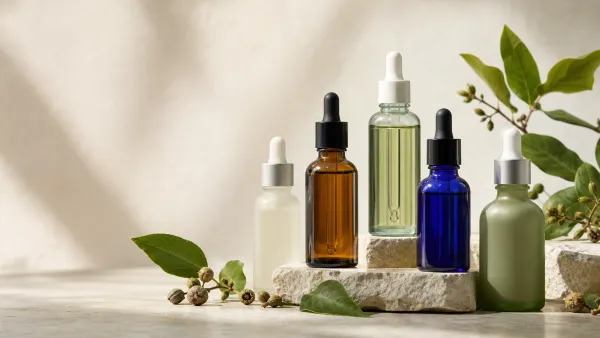
Anti-Aging Skincare
Best Bakuchiol Serums in 2026: 5 Evidence-Aware Picks
Compare five bakuchiol serums by concentration, texture, skin type, price, and realistic evidence—without treating bakuchiol as identical to retinol.
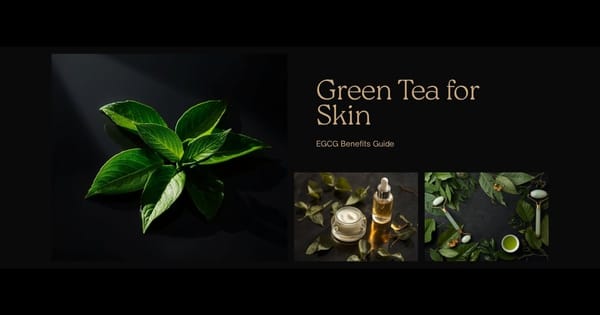
Natural Skincare Solutions
Green Tea for Skin: EGCG Benefits and Evidence-Based Guide | SkinOptimizer
Evidence-based guide to green tea in skincare. Learn EGCG concentrations that work, stability issues, clinical benefits for acne and aging, and how to choose effective products.

Natural Skincare Solutions
Shea Butter for Dry Skin: How to Use It Correctly for Real Results | SkinOptimizer
Evidence-based guide to shea butter for dry skin. Learn how to choose, apply, and get the most benefit from raw shea butter.
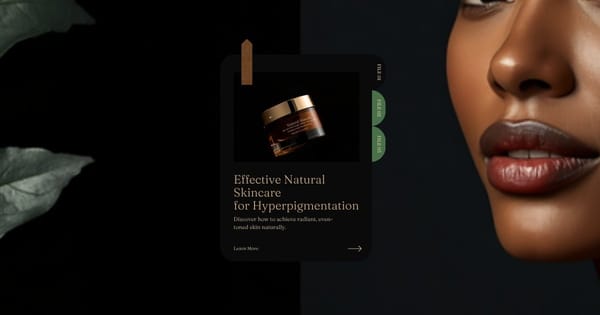
Natural Skincare Solutions
Effective Natural Skincare for Hyperpigmentation
Evidence-based guide to natural skincare for hyperpigmentation. Learn which ingredients work — azelaic acid, niacinamide, tranexamic acid, vitamin C — and how to build an effective routine.
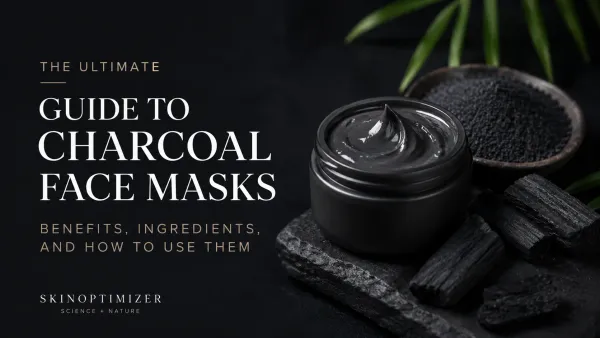
Natural Skincare Solutions
Charcoal Face Masks: Science-Backed Guide to Benefits, Safety & Best Picks
Science-backed guide to charcoal face masks. Learn how adsorption works, who should use them, safe frequency, top product picks, and when to avoid them.