Vitamin C for Anti-Aging: Evidence-Based Guide | SkinOptimizer
Evidence-based guide to vitamin C for anti-aging. Learn L-ascorbic acid concentrations, pH requirements, stability, and how to choose between forms for maximum results.
In this guide
The 5 Facts About Vitamin C for Anti-Aging at a Glance
- ❌ L-ascorbic acid at 10-20% is the gold standard - Other forms (THD ascorbate, ascorbyl glucoside) are more stable but less effective. Choose based on your skin's tolerance.
- Apply in the morning, not at night - Vitamin C provides antioxidant protection against daytime UV and pollution. Use retinol at night instead.
- ❌ Vitamin C + E + ferulic acid is 8x more effective - The Duke University formulation (15% L-ascorbic, 1% vitamin E, 0.5% ferulic acid) multiplies photoprotection eightfold.
- ❌ Clear glass bottles destroy vitamin C - L-ascorbic acid oxidizes within days in clear packaging. Always choose opaque, airless pump bottles.
- → Discard when it turns brown - Once oxidized, vitamin C not only loses efficacy but can irritate the skin. Replace your serum every 3-6 months.
Vitamin C is the most researched antioxidant in dermatology. It protects skin from oxidative damage, supports collagen synthesis, and fades hyperpigmentation. The challenge is choosing the right form and keeping it stable enough to work.
Because formulation and oxidation matter, follow the vitamin C and retinoid storage guide for light, air, opening-date and discard decisions.
This guide separates the evidence from the marketing.
The Skin Insider
Editorial review: Packaging matters because light and air can accelerate oxidation. This guide compares opaque, air-restrictive packaging with clear or frequently opened containers and relies on product labels plus the cited stability research; SkinOptimizer did not run a controlled product test.
How Vitamin C Works for Anti-Aging
Vitamin C (L-ascorbic acid) performs three distinct functions in skincare. First, it neutralizes free radicals generated by UV exposure and pollution, preventing oxidative damage to collagen and elastin. Second, it is an essential cofactor for collagen synthesis enzymes - without it, collagen production cannot occur efficiently. Third, it inhibits tyrosinase, the enzyme responsible for melanin production, which helps fade hyperpigmentation.
The landmark Duke University studies by Dr. Sheldon Pinnell demonstrated that a combination of 15% L-ascorbic acid, 1% vitamin E, and 0.5% ferulic acid provides eight times the skin's natural protection against UV-induced free radical damage. This combination remains the gold standard for topical antioxidant protection.
Choosing the Right Vitamin C Form
| Form | Concentration | Stability | Best For |
|---|---|---|---|
| L-Ascorbic Acid | 10-20% | Low - requires low pH, opaque packaging | Maximum efficacy, tolerated skin |
| THD Ascorbate | 5-15% | High - oil-soluble, very stable | Dry skin, sensitive skin |
| Ascorbyl Glucoside | 2-12% | High - water-soluble, stable | Sensitive skin, beginners |
L-ascorbic acid at 10-20% is the most evidence-backed form. It must be formulated at a pH below 3.5 for optimal penetration. THD ascorbate is an oil-soluble ester that penetrates well and is significantly more stable - a good alternative for those who find L-ascorbic acid irritating.
How to Use Vitamin C Correctly
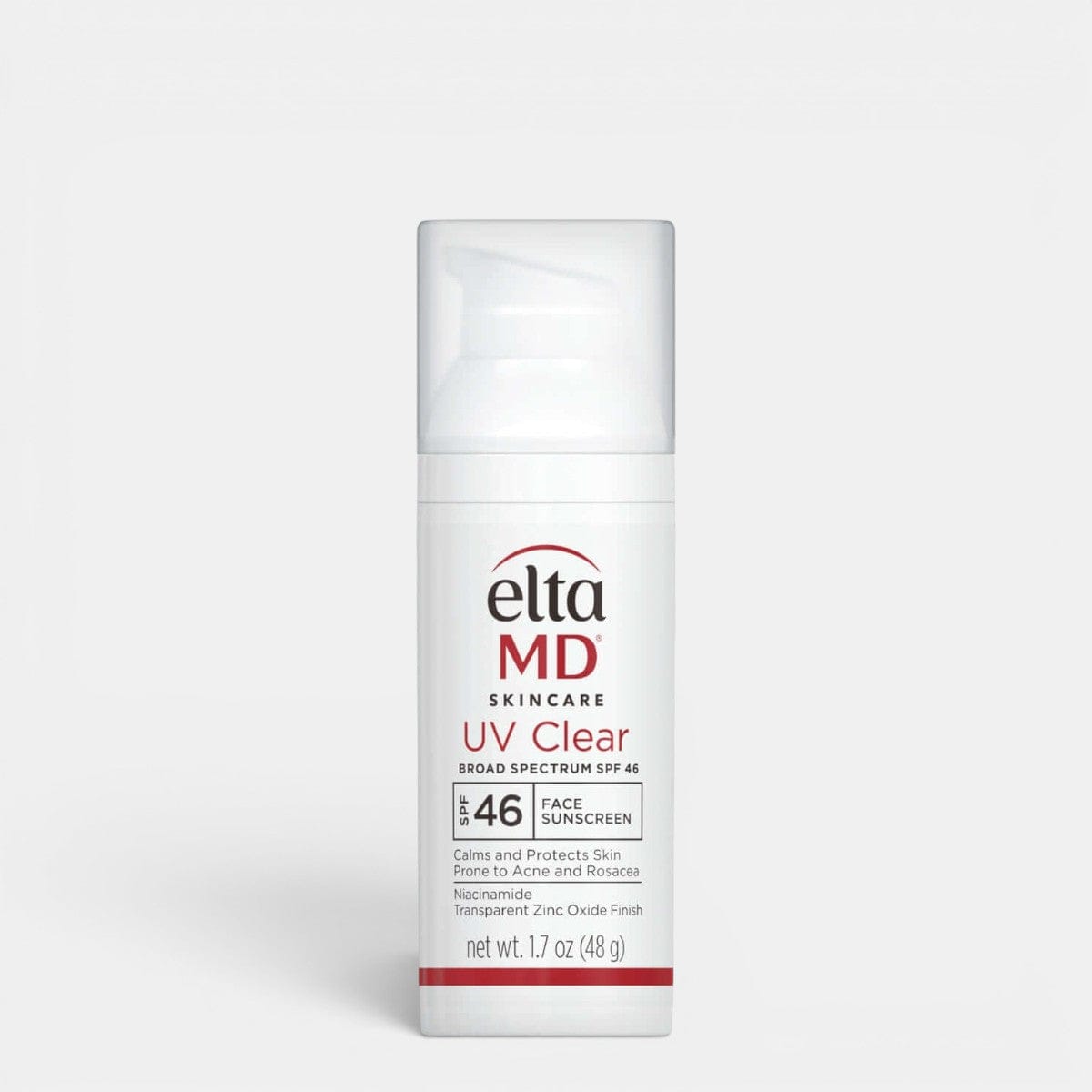
Apply vitamin C in the morning after cleansing and before moisturizer. The skin is most receptive to antioxidant protection in the morning, when UV exposure begins. Apply a few drops to dry skin and wait 1-2 minutes for absorption before layering moisturizer and SPF.
Vitamin C should not be used at the same time as retinol. L-ascorbic acid requires a low pH (around 3.5) to penetrate, while retinol works best at a neutral pH. Use vitamin C in the morning and retinol at night.
Stability: The Oxidation Problem
L-ascorbic acid oxidizes when exposed to light, air, and heat. An oxidized serum turns yellow, then brown, and finally dark orange. Once oxidized, it loses efficacy and can cause skin irritation.
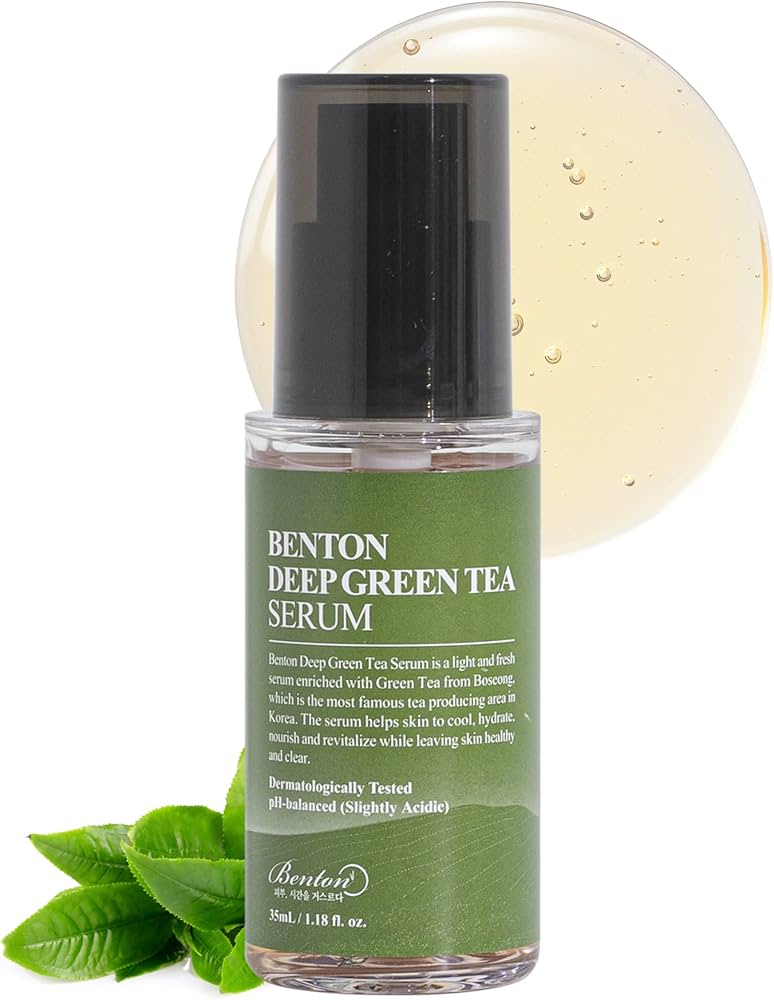
Choose serums in opaque, airless pump bottles. Store in a cool, dark place - refrigeration extends shelf life. Replace your serum every 3-6 months. If the color has changed significantly, discard it.
The Optimizer's Edge
Most vitamin C guides tell you what concentration to use. They stop there. What they miss: the pH of the formula matters as much as the concentration. L-ascorbic acid needs a pH below 3.5 to penetrate the skin barrier. If the pH is higher, the molecule cannot ionize properly and stays on the surface. Check the brand's stated pH - if it is not listed, assume it is wrong. A 20% serum at pH 4.0 is less effective than a 10% serum at pH 3.0.
Your Vitamin C Routine Checklist
- ✓ Choose 10-20% L-ascorbic acid - or THD ascorbate if L-ascorbic irritates your skin.
- ✓ Check the packaging - opaque, airless pump only. No clear glass bottles.
- ✓ Apply in the morning - on clean, dry skin. Wait 1-2 minutes before moisturizer and SPF.
- ✓ Store in a cool, dark place - refrigeration extends shelf life. Discard if the serum turns brown.
- ✓ Replace every 3-6 months - write the opening date on the bottle. An expired serum performs worse than no serum at all.
Vitamin C is one of the most effective anti-aging ingredients available - when formulated and used correctly. The key factors are concentration (10-20% L-ascorbic acid), pH (below 3.5), packaging (opaque and airless), and timing (morning use). Match these four factors and vitamin C will deliver measurable results for brightness, firmness, and photoprotection.
Frequently Asked Questions About Vitamin C for Anti-Aging
Can I use vitamin C with retinol?
Does vitamin C expire?
Can vitamin C cause purging?
What percentage of vitamin C should I use?
Can I use vitamin C with sensitive skin?
This article is for informational purposes only and does not replace professional dermatological advice. For persistent skin concerns, consult a board-certified dermatologist.
How we research and correct content: Editorial Policy.