Best Face Cleanser for Oily Skin: Choose by Breakout Type
A decision-first guide to choosing an oily-skin cleanser by breakout type, sensitivity and the actives already in your routine.

In this guide
Quick Answer
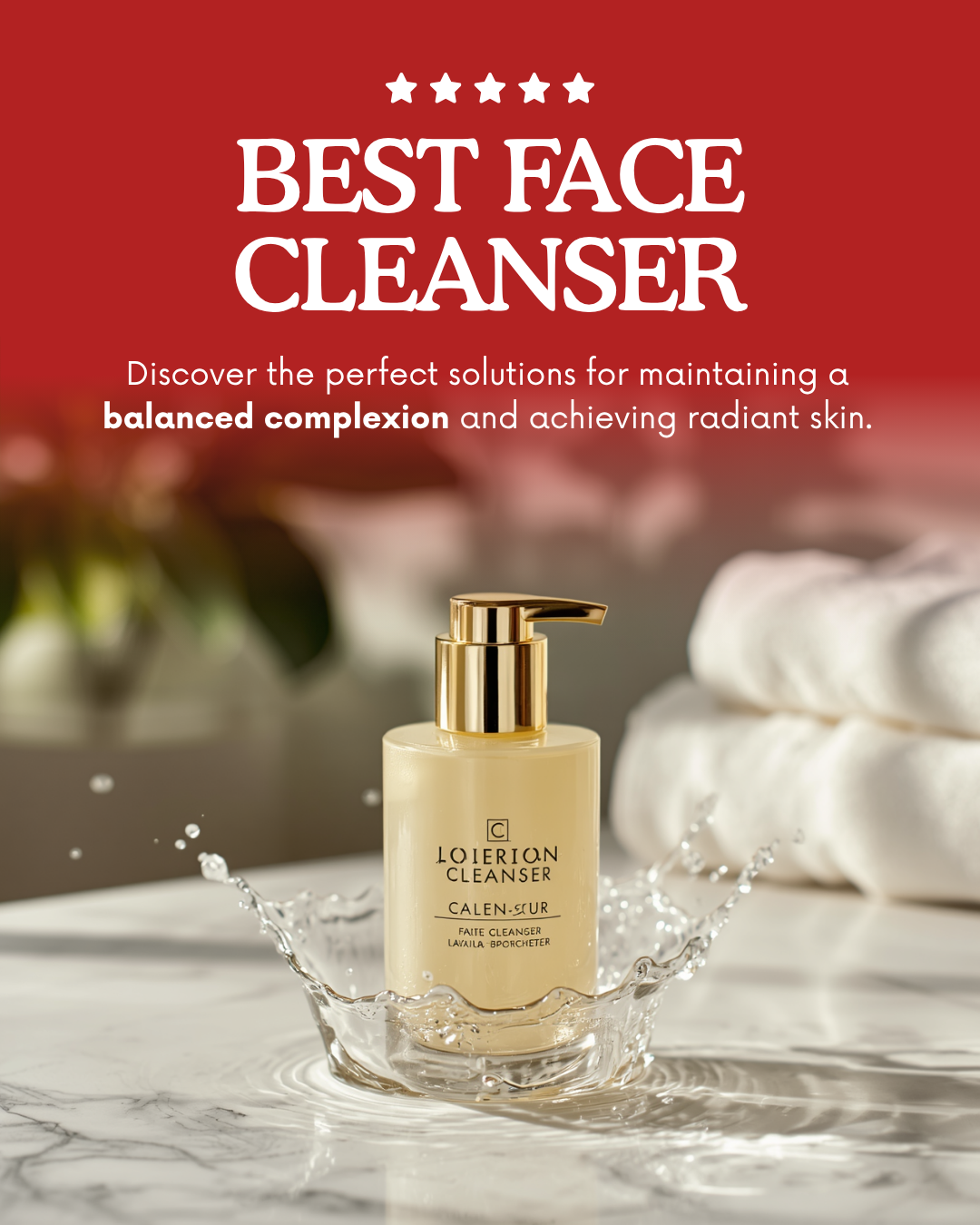
The best face cleanser for oily skin removes sunscreen, sweat and excess surface oil without leaving the face tight. Choose a gentle daily cleanser for the base, then use a salicylic-acid or benzoyl-peroxide wash only when the breakout pattern and the rest of the routine support it.
Quick Summary
- Daily base: prioritize rinse quality and post-wash comfort.
- Clogged pores: a salicylic-acid cleanser may fit.
- Inflamed pimples: a benzoyl-peroxide wash can be useful, but overlap matters.
- Sensitive or medicated skin: a bland cleanser is often the smarter choice.
-->
If you have oily skin, you have likely experienced the frustrating cycle of cleansing to remove excess sebone, only to have your skin produce even more oil hours later. Finding the right face cleanser for oily skin is not about stripping away all oil-it is about balancing and controlling sebum production without disrupting your skin barrier.
If oily skin also breaks out easily, use our acne-focused guide to the best cleansers for acne-prone skin before choosing a stronger active wash.
⚡ TL;DR
- Key ingredient: Salicylic acid (BHA) is the gold standard for oily skin
- Balance is key: Over-stripping increases irritation and tightness
- Temperature matters: Use lukewarm water, never hot
- Time: Massage cleanser for 60 seconds for optimal results
- Follow-up: Always follow with a lightweight moisturizer and SPF
The Skin Insider
Evidence reviews and current product labels point to salicylic acid or niacinamide as common options for oily skin, but formula fit and post-wash comfort matter more than dramatic foam or a long ingredient list.
What Makes a Cleanser Effective for Oily Skin
Not all cleansers are created equal when it comes to oily skin. The best face cleanser for oily skin should contain specific active ingredients that address the root causes of excess sebum production while maintaining skin health.
Salicylic acid (BHA) is the gold standard ingredient for oily skin. It is oil-soluble, meaning it can penetrate deep into pores to dissolve clogs and excess sebum.
Unlike AHAs that work on the surface, salicylic acid works inside the pore where acne begins. A PubMed study confirms salicylic acid effectiveness for oily, acne-prone skin.
For a product-level decision, use our salicylic acid cleanser comparison for oily and acne-prone skin. It separates lower-strength 0.5% foam from 2% medicated washes and flags menthol, fragrance, and overuse risks.
💡 The Optimizer's Edge
The biggest mistake people with oily skin make is using harsh, stripping cleansers. When you remove ALL the oil, your skin panics and compensates by producing even MORE sebum within hours. The best approach: use a gentle cleanser with salicylic acid that removes excess oil while leaving some behind for your skin to use as protection.
Oilier skin can still use a balm when daily sunscreen or makeup needs a thorough first cleanse. Use our best cleansing balms guide to prioritize clean-rinsing textures, then judge the result by whether skin feels comfortable rather than waxy.
⚠️ What to Avoid
- ❌ Hot water - can increase dryness and irritation
- ❌ Harsh scrubs - can damage the barrier and worsen irritation
- ❌ Alcohol-based toners - strips natural oils
- ❌ Over-cleansing - more than twice daily can worsen irritation
- ❌ Soap-based bars - too alkaline, disrupts skin pH
Our Top Picks: Best Face Cleanser for Oily Skin
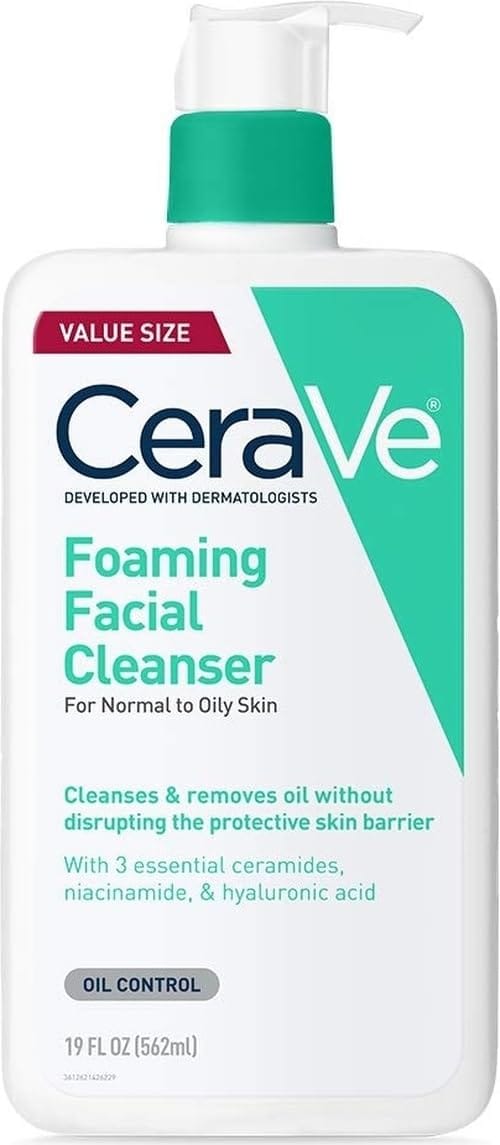
CeraVe Foaming Facial Cleanser
A direct match for normal-to-oily skin: foaming texture, hyaluronic acid, niacinamide, and ceramides without fragrance. It controls oil without sending readers to a generic search page.
View product on Amazon →✦ As an Amazon Associate, we earn from qualifying purchases.
1. CeraVe Foaming Facial Cleanser - Best Overall
This drugstore staple consistently ranks at the top of our editorial recommendations for oily skin. The formula contains ceramides to maintain the skin barrier, niacinamide to reduce redness and control oil production, and the perfect balance of cleansing agents that remove excess sebum without stripping.
What makes this stand out is its non-comedogenic formula-it will not clog your pores while effectively removing makeup, sunscreen, and daily grime. The foaming texture is satisfying without being harsh, and it rinses completely clean.
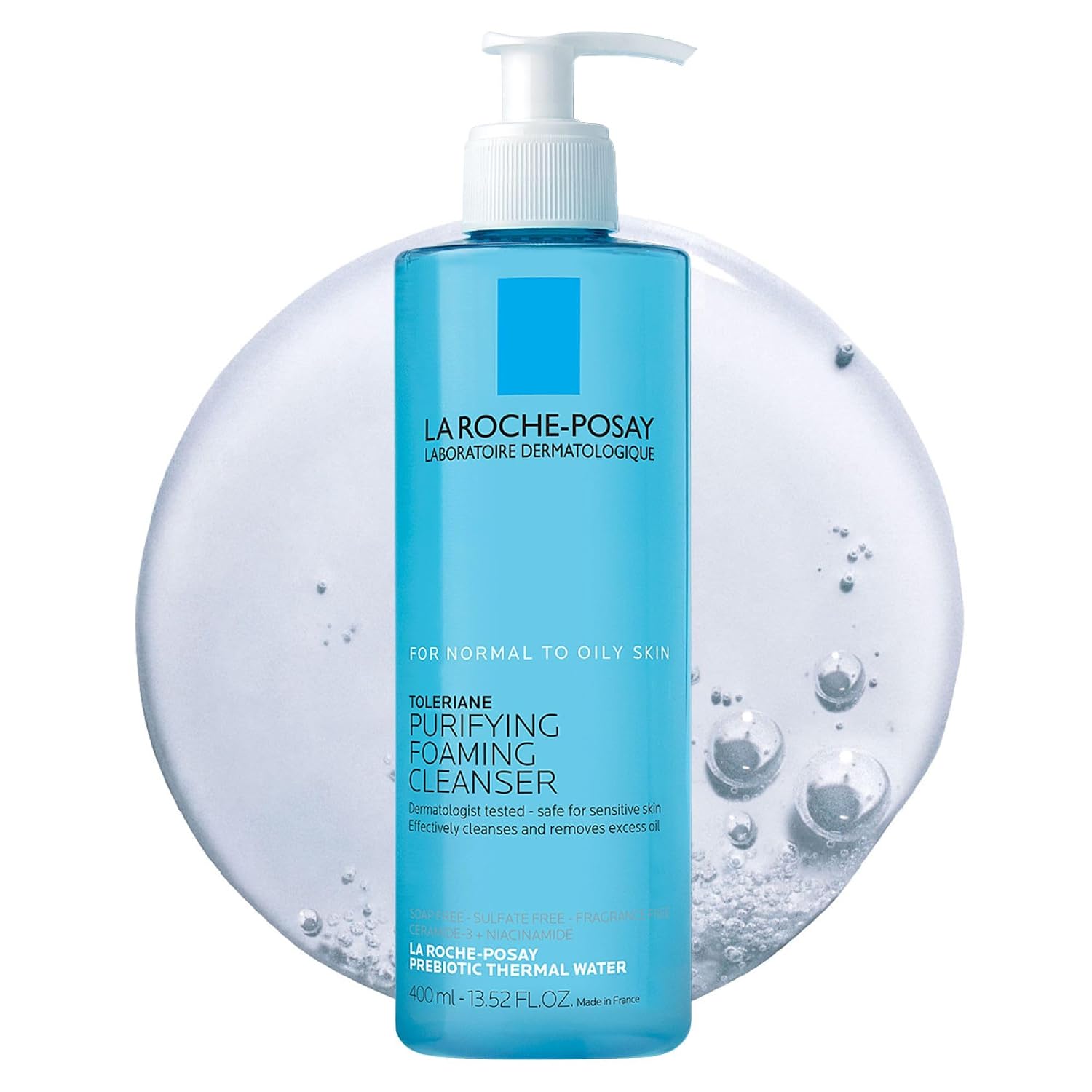
La Roche-Posay Toleriane Purifying Foaming
A direct oil-free cleanser for sensitive oily skin with niacinamide and ceramides. It fits readers who want a foaming wash without a stripped, tight finish.
View product on Amazon →✦ As an Amazon Associate, we earn from qualifying purchases.
2. La Roche-Posay Toleriane Purifying Foaming Cleanser
For those with oily but sensitive skin, this French pharmacy favorite offers a solution that fights breakouts without causing irritation. The formula contains thermal spring water, ceramide-3, and niacinamide in a gentle, soap-free formula.
It effectively removes excess oil and impurities while respecting the skin is natural moisture barrier. Perfect for those who have oily skin but also experience redness or sensitivity.
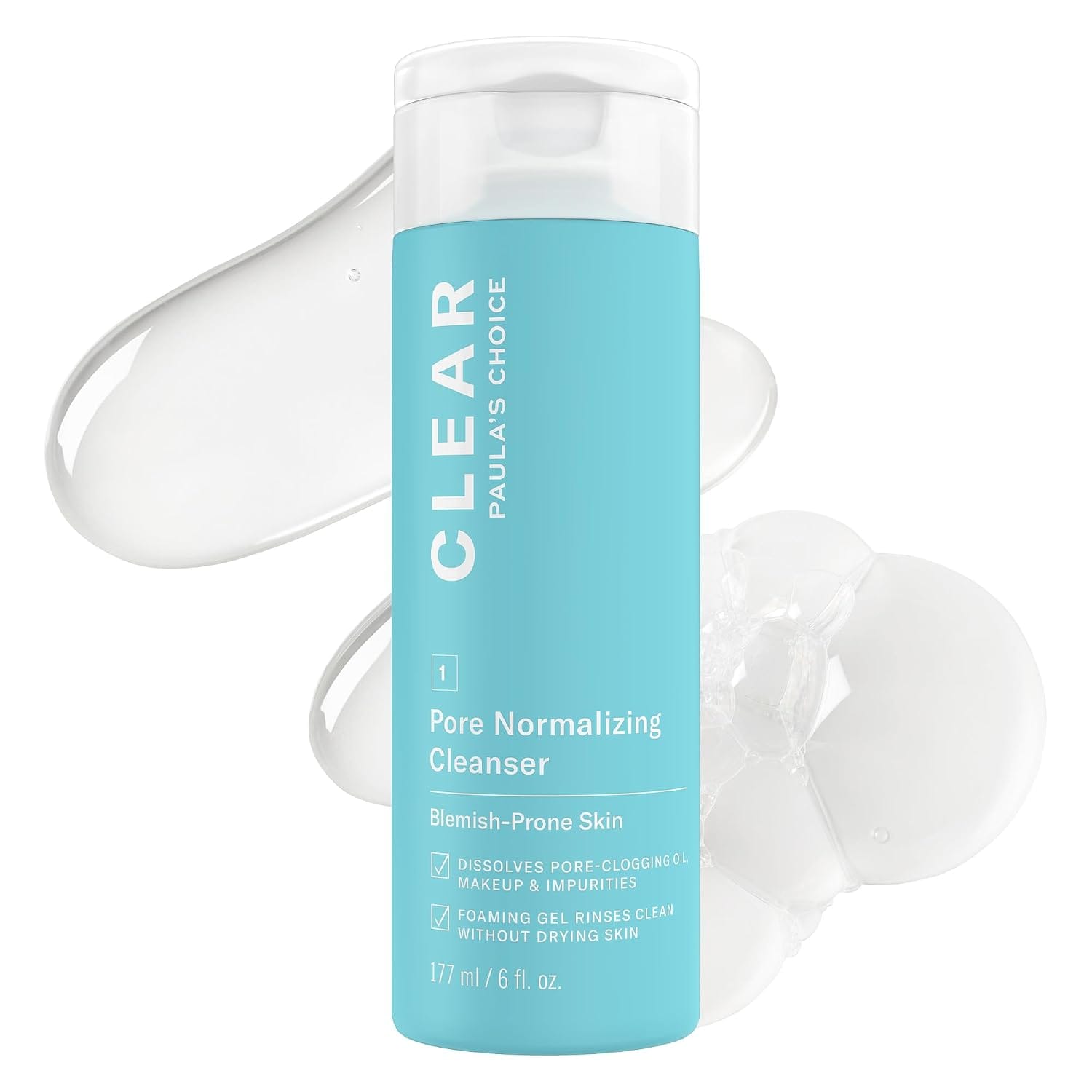
Paula's Choice Clear Pore Normalizing Cleanser
Contains salicylic acid in a gentle acne-focused cleanser for clogged pores, blackheads, and oily skin. It is a better direct fit than a broad Paula's Choice search result.
View product on Amazon →✦ As an Amazon Associate, we earn from qualifying purchases.
3. Paula's Choice Clear Pore Normalizing Cleanser
This cleanser uses salicylic acid to help clear pore-clogging oil and surface buildup, making it a focused option for oily, acne-prone skin. It also includes green tea extract to soothe inflammation and reduce redness.
Use this as your evening cleanser to deeply clean pores after a day of oil accumulation. The slightly thicker texture ensures you get a thorough cleanse without overdoing it.
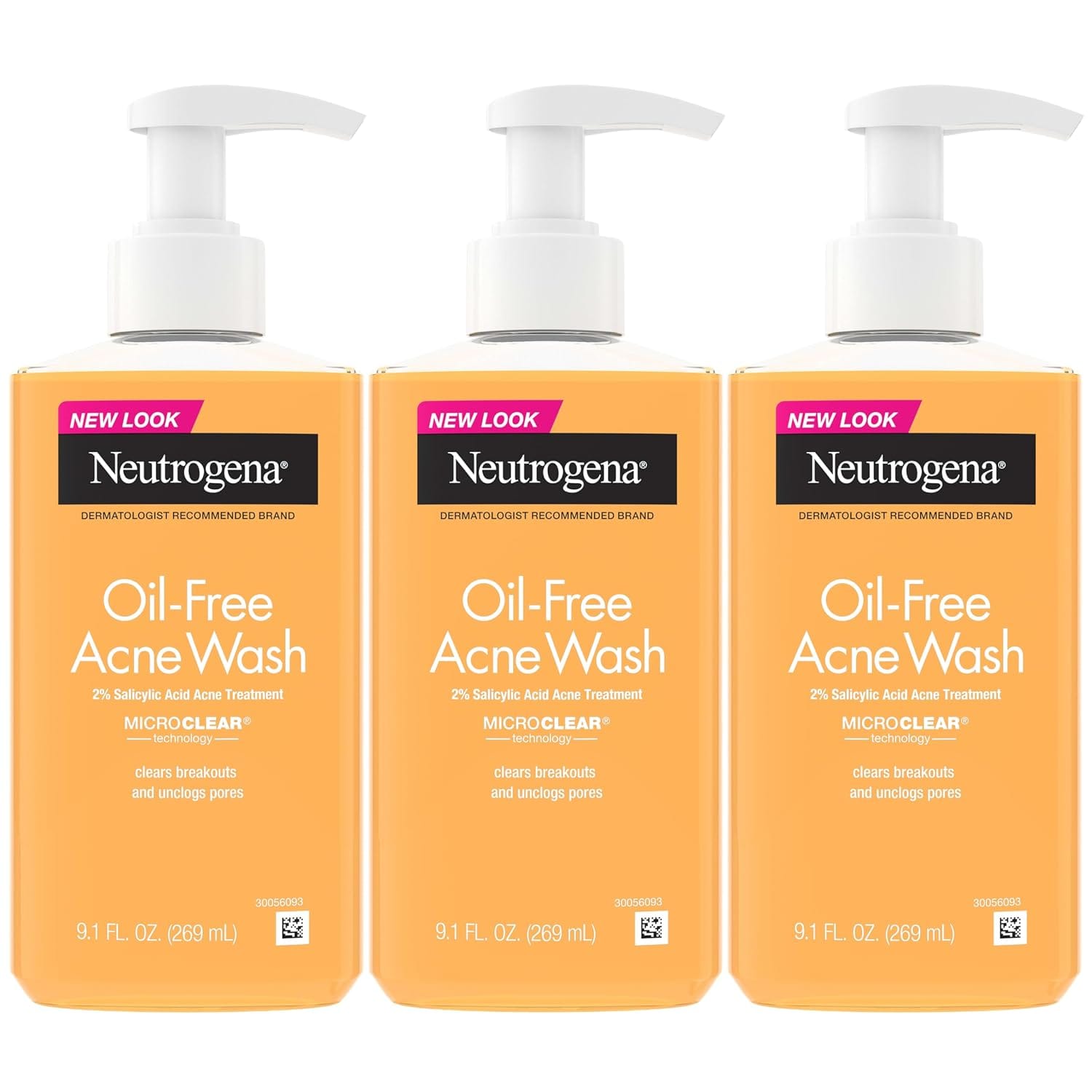
Neutrogena Oil-Free Acne Wash
A direct value pack of the classic salicylic-acid acne wash for oily skin. It is useful when budget and repeat use matter, but it may feel drying for some routines.
View product on Amazon →✦ As an Amazon Associate, we earn from qualifying purchases.
4. Neutrogena Oil-Free Acne Wash
This classic drugstore option contains salicylic acid and is specifically formulated for acne-prone, oily skin. It is fragrance-free, non-comedogenic, and effectively removes excess oil without leaving residue.
The downside is it can be slightly drying for some skin types. If you experience tightness, follow immediately with a lightweight moisturizer to balance the drying effect.
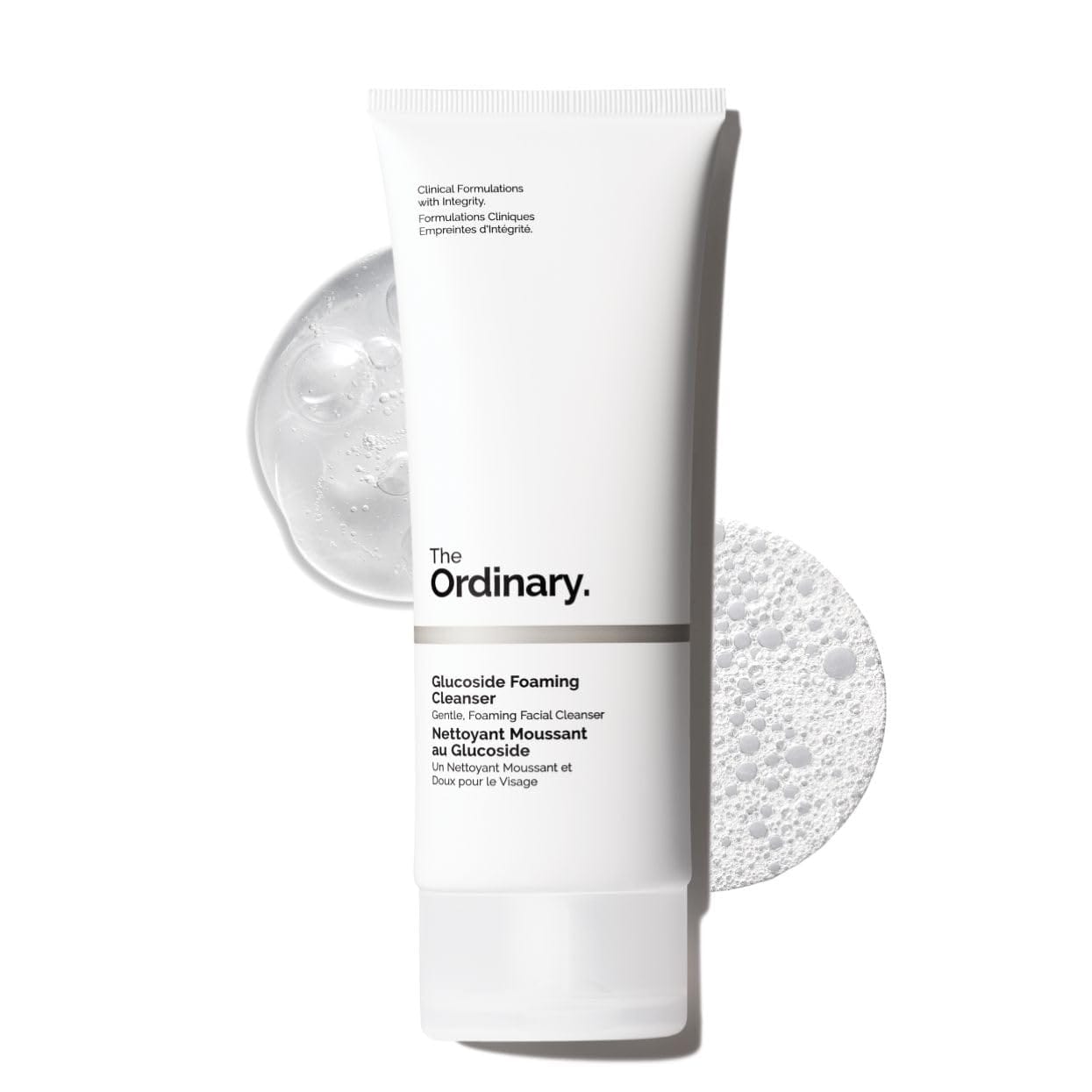
The Ordinary Glucoside Gentle Foaming
A gentle, affordable foaming cleanser for oily skin that cannot tolerate stronger active washes. It is the direct product page, not a search result.
View product on Amazon →✦ As an Amazon Associate, we earn from qualifying purchases.
5. The Ordinary Glucoside Gentle Foaming Cleanser
This affordable option from The Ordinary provides a gentle cleansing experience without harsh ingredients. It is formulated with decyl glucoside, a gentle surfactant derived from corn, making it suitable for daily use on oily skin.
While it does not contain active ingredients like salicylic acid, it effectively removes excess oil and makeup without stripping. Best for those with oily but very sensitive skin who cannot tolerate active ingredients.
✅ Your Clear Skin Checklist
- Step 1: Use lukewarm water - hot water can increase dryness and irritation
- Step 2: Massage gently for the time stated in the product directions
- Step 3: Follow with lightweight moisturizer - even oily skin needs hydration
Understanding Ingredients: BHA vs AHA for Oily Skin
When choosing a cleanser for oily skin, understanding the difference between BHA and AHA can help you make a better decision:
Salicylic Acid (BHA): Oil-soluble, penetrates pores to dissolve clogs and excess sebum. Best for truly oily skin with visible pores and blackheads.
Glycolic Acid (AHA): Water-soluble, works on the skin surface to remove dead skin cells. Better for combination skin or those with dullness and texture issues.
For most people with oily skin, salicylic acid is the better choice because it addresses the root cause-excess sebum inside the pores.
How to Use Cleanser for Oily Skin: Technique Matters
Using the right cleanser is only half the battle-how you use it matters. Proper technique can mean the difference between balanced, healthy skin and an oil production cycle that never stops.
The ideal cleansing routine for oily skin involves using lukewarm water (not hot, which triggers oil production), massaging the cleanser onto damp skin for at least 60 seconds to allow active ingredients to work, and patting rather than rubbing dry with a clean towel.
For those using retinol products, cleanse in the evening and wait 10-15 minutes before applying retinol.
Building Your Oily Skin Routine
A cleanser is just the beginning of an effective skincare routine for oily skin. Here is how your cleanser fits into the bigger picture:
Morning: Gentle cleanser → lightweight moisturizer with niacinamide → SPF 30+ sunscreen
Evening: Cleanser with salicylic acid → treatment products → lightweight moisturizer
For oily skin, choose moisturizers labeled "oil-free" or "non-comedogenic." Even though your skin is oily, skipping moisturizer signals your skin to produce MORE oil to compensate for dehydration.
When to See a Professional
If over-the-counter cleansers are not controlling your oil production and breakouts, it may be time to consult a professional. A dermatologist can prescribe stronger topical treatments, discuss oral medications, and rule out underlying conditions contributing to excess oil production.
Final Thoughts
The best face cleanser for oily skin is one that removes excess sebum without stripping your skin is natural moisture barrier. Look for ingredients like salicylic acid, niacinamide, and ceramides. The CeraVe Foaming Facial Cleanser remains our top pick for its balanced, effective formula at an accessible price point.
Remember: the goal is to control oil, not eliminate it completely. For more skincare recommendations, explore our guides on best niacinamide serums and best exfoliants for oily skin.
Not sure whether a product label really signals a different formula? Our cleanser vs face wash guide explains why removal ability and post-wash comfort matter more than the marketing term.
Choose the Cleanser by Its Job
A cleanser has three realistic jobs: remove the day, support comfort and optionally deliver brief contact with one acne active. It cannot correct hormones, deep cysts or scars in the time it remains on the skin.
Oily skin that feels tight after washing is not well balanced. Move down in cleansing intensity before adding more moisturizer, because repeatedly stripping and repairing creates an unstable routine.
- Heavy sunscreen or makeup: prioritize complete but gentle removal.
- Blackheads: consider a salicylic-acid wash if no leave-on acid is used.
- Inflamed acne: consider benzoyl peroxide with short contact and low frequency.
- Retinoid or sensitive routine: choose a simple non-active cleanser.
Compare the Options Before Changing the Routine
Use this table to match the intervention to the visible pattern and to identify the limit that should stop unnecessary escalation.
| Skin pattern or option | Best next step | Important limit |
|---|---|---|
| Oily, comfortable, no acne | Gentle gel or foaming cleanser | Morning and evening |
| Blackheads and congestion | Salicylic-acid cleanser | Start a few times weekly |
| Inflamed face or body acne | Benzoyl-peroxide wash | Short contact; watch dryness |
| Tight, reactive or retinoid-treated | Fragrance-free gentle cleanser | Keep the cleanser non-active |
Adjust the Plan to Real Teen Life
School mornings reward a short routine that works even when time is limited. Keep the required products visible and in order, and move optional steps out of the way until the base routine is automatic.
Sports, helmets and heavy sweating change the exposure, not the biology of the skin. Rinse or cleanse gently after activity, clean reusable contact surfaces, and avoid compensating with rough cloths or extra exfoliation.
Cold weather, indoor heating and air conditioning can lower tolerance even when the underlying concern has not changed. Reduce active frequency when tightness appears instead of assuming the treatment has stopped working.
Makeup and shaving should be treated as separate routine variables. Remove makeup completely without repeated rubbing, and review shaving technique before applying stronger acne products to irritated follicles.
Budget also affects treatment quality because an unaffordable routine will not be repeated. Prioritize cleanser, moisturizer, sunscreen and one evidence-based treatment before spending on masks, mists or overlapping serums.
Travel and weekends should not require a second routine. Use the same essentials in smaller containers and keep the treatment schedule unchanged unless the environment affects tolerance.
Stress about appearance can also drive picking and constant mirror checking. Use neutral weekly photos, reduce magnifying-mirror time and involve a trusted adult or professional when skin concerns affect school, sleep or confidence.
Finally, build a stop rule before starting. Persistent burning, swelling, rash, painful cracking or a rapid increase in deep lesions is a reason to pause the newest product and seek qualified advice when appropriate. Clear rules protect both skin and consistency.
How to Test the Routine Without Losing the Signal
Keep cleanser, moisturizer and sunscreen stable while testing one treatment variable. When several products change together, a breakout, sting or improvement cannot be assigned confidently.
Use the same amount and schedule unless the label or a qualified professional says otherwise. More product or more frequent application can increase irritation without shortening the biological treatment timeline.
Set the Baseline
Record the main concern, current products and two photos in consistent light.
Protect Tolerance
Track tightness, burning, peeling and whether the routine is easy enough to repeat.
Judge the Trend
Compare new lesions and comfort over weeks, not the appearance of one day.
| Check point | What to assess | Decision |
|---|---|---|
| First 48 hours | Burning, swelling, rash or painful cracking | Stop the newest product and get advice when symptoms are significant |
| Weeks 1-2 | Comfort, dryness and whether the schedule is realistic | Reduce frequency before adding another active |
| Weeks 6-8 | Fewer new lesions, calmer texture or a clearer pattern | Continue, adjust one variable or seek professional help |
| Any time | Deep pain, scars, rapid worsening or major distress | Escalate care rather than waiting for a retail product to solve it |
A routine is not successful merely because it feels active. The useful outcome is a gradual improvement that the skin can tolerate and the teenager can sustain.
Do not measure success by tingling, dryness or how many steps were completed. Those sensations can reflect irritation, while the meaningful measures are fewer new lesions, better comfort, less picking and a routine that remains consistent.
Use weekly rather than daily comparisons because acne and oil fluctuate. A single stressful day, sports session or menstrual-cycle shift should not trigger a complete product change.
Write the planned review date on a calendar before starting. That simple boundary reduces impulsive switching and makes the final decision more evidence-based.
Do not wait through deep pain, scarring, rapid worsening or significant emotional distress. Those are reasons to seek professional care even when the planned test period is not complete.
Frequently Asked Questions About Best Face Cleanser for Oily Skin
What cleanser is best for very oily skin?
A gentle gel or foaming cleanser is a sensible daily base. Add an active cleanser only when blackheads or inflamed acne create a specific treatment need.
Is salicylic acid cleanser good for oily skin?
It can help when oily skin also has clogged pores, blackheads or whiteheads. Begin gradually and avoid stacking it with several leave-on exfoliants.
Can oily skin use a hydrating cleanser?
Yes. Oily skin can be dehydrated or irritated, and a gentle hydrating cleanser may fit when strong foaming products leave tightness.
Should I wash oily skin three times a day?
Usually not. Morning and evening cleansing plus a rinse after heavy sweating is enough for many people.
When is an acne cleanser not enough?
Deep painful acne, scarring, widespread inflammation or persistent acne despite a consistent routine needs professional assessment rather than a stronger face wash.