Best Korean Skincare: Build a Routine by Skin Need
Choose the best Korean skincare by skin need, with lighter options for oily skin, five product examples and exact US formula checks before you buy.
In this guide
What is the best Korean skincare to start with?
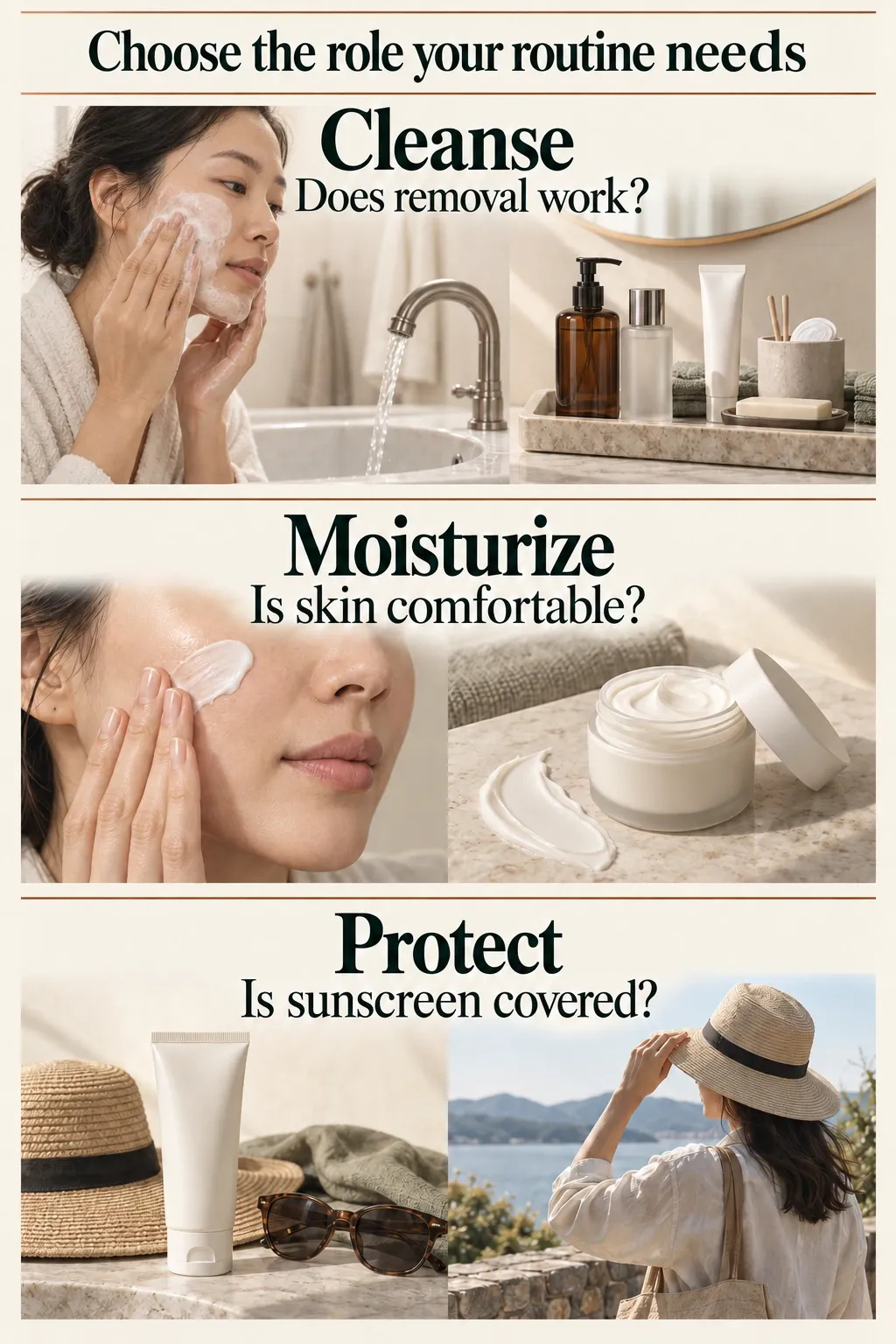
The best Korean skincare fits a job your routine actually needs: comfortable cleansing, enough moisture, or daily sun protection. Keep products that already work, then compare one replacement at a time by formula, texture and market version.
For a closer look at creamy cleansing and moisturizer textures, see our Korean skincare guide for mature skin.
Our three core examples cover those roles, with two lighter moisturizer alternatives for oily skin below. A Korean brand name, a long routine or a trending ingredient cannot tell you whether a product will suit your skin.
Quick Summary
- Start with the gap: replace an uncomfortable cleanser, unsuitable moisturizer or unused sunscreen before adding optional extras.
- Choose for your skin: dryness, oiliness, sensitivity and climate can overlap.
- Check the exact version: our sunscreen example is ROUND LAB UVLock SPF 45 for the US market; SPF 50 versions need their own formula check.
- Change one thing: testing and a simple routine make reactions easier to investigate.
Oily skin: choose one useful change
Editorial Note
SkinOptimizer is an editorial skincare resource. We selected these examples from current manufacturer information and exact product listings; we have not conducted a hands-on comparison or clinical trial.
Recommendations describe practical fits and limitations, not guaranteed results. Product formulas and packaging can change, so compare the delivered label with the information that matters to you.
A Korean skincare list can suggest replacing products that already work. There is always another essence, ampoule or mask to consider, even when the products you own already do their jobs.
Identify what is missing from your current routine. If cleansing leaves your face uncomfortable, that is a clearer reason to shop than a popular ingredient you have never needed.
This guide gives you three core examples, two lighter moisturizer alternatives and a way to decide whether any belongs in your routine. It also explains how to compare textures, when to keep your current products and why similar sunscreen packaging can contain a different market formula.
The Skin Insider
Name one thing your current routine fails to do before choosing another product. If your basics already work comfortably, keep them and postpone extra essences or serums.
For a targeted serum comparison, see our Korean skincare for hyperpigmentation guide.
How we chose these Korean skincare examples
We looked for distinct routine roles, accessible product information and limitations that can be explained before purchase. We checked the three core examples against manufacturer or label information and exact Amazon listings. The two oily-skin alternatives link to current manufacturer information.
The shortlist contains a gel cleanser, a richer moisturizer and a US-market sunscreen. They are not interchangeable, and you do not need to buy all three to use this guide.
- Role: does the product solve an existing routine problem?
- Formula: are there ingredients you need to avoid or already know you tolerate?
- Texture: does the format suit your preferences, climate and other layers?
- Version: does the listing match the exact size and market formula discussed?
These checks can narrow a purchase, but they cannot predict your individual result. An ingredient list cannot reveal every aspect of a finished formula.
If your main question is the order of products, use our guide to choosing and ordering skincare steps. This page focuses on selection, with optional steps kept in their place.
Choose by skin need before choosing a brand
Skin type is a starting point, not a complete shopping instruction. Oily skin can feel sensitive, dry skin can dislike heavy layers in humid weather, and combination skin may need different amounts on different areas.
Choose the discomfort or practical problem you want to address first. That gives you a useful way to judge the product after purchase without expecting it to change everything at once.
| Your main need | What to prioritize | What to watch |
|---|---|---|
| Dry or tight-feeling skin | Comfortable cleansing and a moisturizer you can use consistently | Adding several hydrating layers instead of fixing an uncomfortable basic |
| Oily or combination skin | A texture and amount that feel manageable through the day | Assuming that oiliness means you should avoid all moisturizer |
| Sensitive or reactive skin | Known ingredient tolerances and fewer simultaneous changes | Trusting a sensitive-skin label as a guarantee |
| Daily sunscreen avoidance | A labeled sunscreen you will apply as directed | Choosing a daily formula for swimming without water-resistance labeling |
Dry skin: fix the basics before buying more layers
If your face feels uncomfortable after washing, adding an expensive essence may leave the original problem in place. Review your cleanser, washing habits and moisturizer before building a longer routine around them.
A richer cream can be useful where a lighter lotion leaves you wanting more comfort. It may also feel excessive in humid weather or on the oilier parts of a combination face.
Our cleanser guide for dry and sensitive skin offers alternatives if the COSRX example below includes ingredients you avoid. Korean products are one option, not a requirement for a comfortable routine.
Korean skincare products for oily skin: what to choose
Start with the product that makes your routine uncomfortable. If a rich cream leaves a film you dislike, compare one lighter moisturizer before buying extra layers to manage the finish.
A clean feeling should not require a tight or squeaky finish. If a cleanser feels uncomfortable, using it more often is unlikely to make that experience easier.
The American Academy of Dermatology recommends moisturizing oily skin as well as gentle cleansing. Oil-free and noncomedogenic labels can help narrow a search, but no label or gel texture guarantees that a product will suit you.
Choose the role before the extra layer
- Cleanser: keep one that removes what you need without discomfort. The COSRX example below contains tea-tree oil and betaine salicylate; skip it if you avoid those ingredients.
- Moisturizer: compare a lighter gel-cream with your current product. You can use a richer cream only on drier areas rather than applying the same amount everywhere.
- Sunscreen: choose a labeled broad-spectrum SPF 30 or higher that you will use as directed. Reduce optional layers if the combination feels heavy; do not reduce the sunscreen amount to control shine.
Keep acne treatment decisions separate from cosmetic shopping. A cleanser containing a salicylate is not automatically an acne medicine, and these moisturizers do not replace a treatment plan.
These two manufacturer-linked examples offer lighter formats to compare with the richer ETUDE cream below. They are alternatives, so choose at most one to try; we have not conducted a hands-on comparison.
PURITO Oat In Calming Gel Cream, 100 mL

PURITO describes this as a lightweight gel cream. Its current ingredient list includes oat seed water, glycerin, squalane and panthenol, with no listed niacinamide or added fragrance.
Consider it if you want a lighter texture and a relatively short ingredient list. Squalane is present, so a gel format should not be read as proof that a formula contains no oils.
Buy it if: your current cream feels too heavy and this formula fits your known ingredient tolerances.
Skip it if: you know you react to oats or another listed ingredient, dislike gel finishes, or need more comfort on dry areas.
Check the PURITO formula and sizeIsntree Hyaluronic Acid Aqua Gel Cream, 100 mL
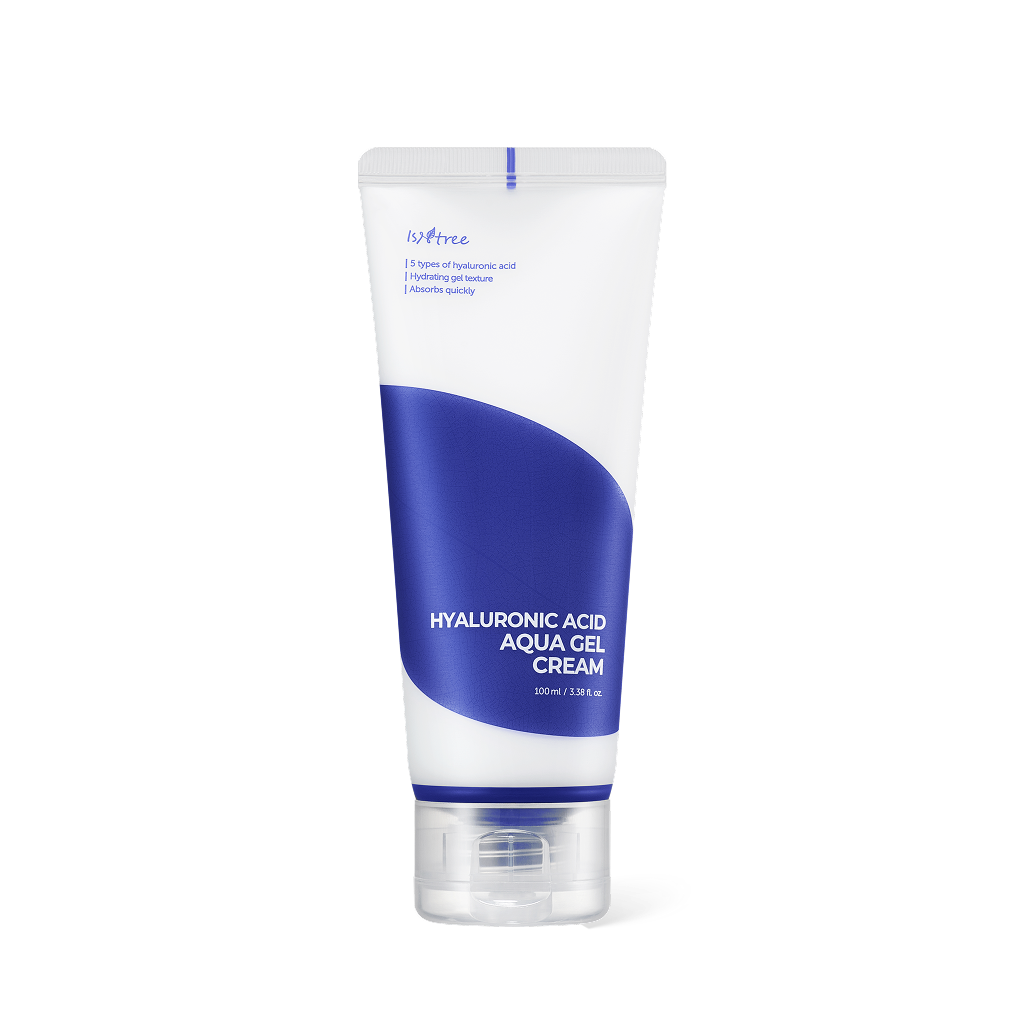
This is another gel-cream option. The official global-store formula lists glycerin, betaine, sodium PCA, squalane and several forms of hyaluronic acid.
It also contains several botanical extracts, including rosemary leaf and chamomile. An extract is not automatically added perfume or an essential oil, but your own known sensitivities still matter.
Buy it if: you want a lighter moisturizer and are comfortable with this exact ingredient list.
Skip it if: a listed ingredient has caused you problems or you already know that a richer moisturizer feels better.
Check the Isntree Aqua Gel formulaWhat if your skin looks shiny but feels tight?
Review the steps separately: discomfort after washing, an unwanted film after moisturizer, and a sunscreen finish you dislike are different observations. They do not identify a diagnosis or prove that your skin needs more exfoliation.
Keep the tolerated steps steady and change one product at a time. Our daily routine for oily skin explains the wider plan; use the acne-prone skin guide when breakouts are the main concern.
Sensitive skin: make the ingredient check specific
Terms such as soothing, gentle and sensitive-skin friendly can help you locate products, but they cannot rule out a reaction. Check for ingredients you personally avoid, rather than assuming every botanical or low-pH formula will be comfortable.
The COSRX cleanser contains tea-tree oil and betaine salicylate. Those facts make it a poor default recommendation for someone specifically avoiding essential oils or exfoliating ingredients, even though the manufacturer describes it as gentle.
Use our sensitive-skin routine guide when reactions are your main concern. Persistent or significant symptoms deserve professional advice rather than another experimental haul.
Three Korean skincare products with distinct jobs
Use this comparison to identify a possible fit, then read the limitation before deciding. These are editorial examples based on product information, with no claim that they outperform every alternative.
Affiliate disclosure: As an Amazon Associate, we earn from qualifying purchases.
| Exact product example | Routine role | Main limitation |
|---|---|---|
| COSRX Low pH Good Morning Gel Cleanser, 150 mL | Rinse-off gel cleanser | Contains tea-tree oil and betaine salicylate |
| ETUDE SoonJung 2x Barrier cream, 60 mL | Richer moisturizer | May be more texture than oily or humid-weather skin wants |
| ROUND LAB Birch Juice Moisturizing UVLock SPF 45, 50 mL, US version | Daily broad-spectrum sunscreen | Check a water-resistant alternative for swimming or sweating |
COSRX Low pH Good Morning Gel Cleanser, 150 mL

This is a water-based, rinse-off gel cleanser. COSRX lists tea-tree oil and betaine salicylate, which are more useful buying facts than the product's popularity.
It is an option for someone who wants this cleanser format and already tolerates those ingredients. We would not choose it simply because a routine needs a Korean product.
Buy it if: you want a gel cleanser, the ingredient list fits your known tolerances, and your current cleanser needs replacing.
Skip it if: you avoid tea-tree oil, essential oils or salicylates, or you need a very simple option for reactive skin.
Follow the current package directions, rinse thoroughly and assess comfort afterward. Stop using it if it causes a reaction; a low-pH description does not guarantee individual tolerance.
Check the exact COSRX 150 mL cleanserETUDE SoonJung 2x Barrier cream, 60 mL

This richer moisturizer is listed by ETUDE as SoonJung 2x Barrier Intensive Cream. The linked Amazon product uses the name Barrier Repair Cream, 2.02 fl oz.
At our check, the manufacturer and Amazon ingredient panels matched, including panthenol, madecassoside and sunflower seed oil. Compare the label when it arrives, because a familiar product name does not prevent later reformulation.
Buy it if: you want a richer moisturizer for dry-feeling areas and its ingredient list suits your routine.
Skip it if: you prefer a very light finish, dislike rich creams in humid weather, or need to avoid a listed ingredient.
The word barrier in a product name is not a promise to treat an irritated skin condition. For wider selection criteria, see how to choose a moisturizer by skin need.
Check the ETUDE 60 mL cream and labelROUND LAB Birch Juice Moisturizing UVLock SPF 45, US version

Our example is the US UVLock broad-spectrum SPF 45 label, 50 mL. It is not the Korean SPF 50+ formula with a similar brand and product family name.
The SPF 45 label lists avobenzone, homosalate and octisalate as sunscreen filters, along with niacinamide, birch juice and botanical oils. Do not transfer ingredient or finish claims from another ROUND LAB sunscreen to this version.
Buy it if: you want to compare a US-market daily sunscreen and the exact formula fits your ingredient preferences.
Skip it if: you avoid niacinamide or the listed chamomile and pine oils, or need a sunscreen specifically labeled water resistant for your activity.
Follow the package directions for application and reapplication. The SPF 45 label directs readers to a water-resistant sunscreen for swimming or sweating.
ROUND LAB also has SPF 50 product pages. Check the SPF 45 name and Drug Facts on the product selected and delivered; this card does not describe those other versions.
Check the US UVLock SPF 45 versionWhat you can leave out of your first purchase
You do not need to buy every category to make a Korean skincare routine legitimate. A toner, essence, ampoule and serum can create several purchases without answering the practical question of what your skin needs.
The American Academy of Dermatology's application guidance centers on cleansing, treatment when used, moisturizer and sunscreen. It also warns that using too many products can irritate skin.
- Keep a comfortable cleanser: a different country of origin is not a reason to replace it.
- Leave duplicate hydration for later: decide whether your moisturizer meets the need first.
- Treat masks as optional: they do not replace the basics or prescribed care.
- Avoid an active-ingredient bundle: several new treatments make tolerance and value harder to assess.
If an optional serum appeals to you, define the goal before selecting an ingredient. Our PDRN skincare explainer separates topical-product expectations from evidence that may involve very different treatments.
You can enjoy a particular texture or ritual without claiming a medical benefit for it. Keep an optional step if you find it worth the time and cost.
The Optimizer's Edge
Before checkout, finish this sentence: “I am considering this product because my current ______ does not ______.” If you cannot name the gap, keep the item on a wishlist instead of adding it immediately.
A clear reason makes it easier to decide later whether the purchase helped. The examples are alternatives, so they do not need to become a shopping list.
Check the exact market version and source
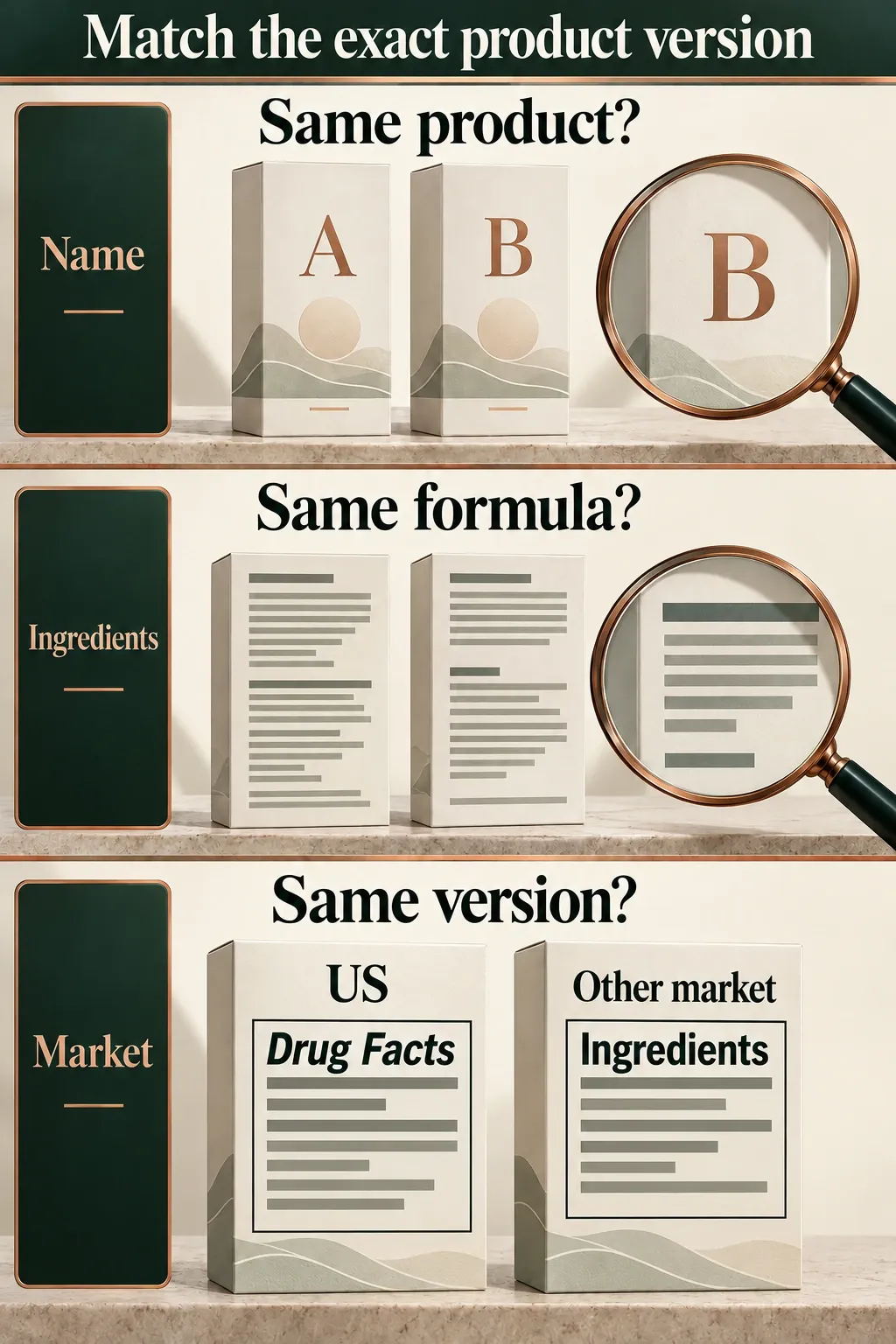
A familiar logo does not establish that two products have the same formula. Compare the full product name, size, SPF statement where relevant, ingredient list and directions.
For US readers, this matters particularly with sunscreen. The FDA explains the US cosmetic and drug categories, and sunscreens are regulated as drugs in the United States.
Differences between national categories alone do not establish that an imported product is unsafe. Check the exact market version before using ingredient claims, labels or purchase links.
- Name: match the entire name, including UVLock or another version identifier.
- Size: confirm the single product or pack you intended to buy.
- Formula: compare ingredients and directions on the current label.
- Source: use the manufacturer's authorized shopping guidance and check the seller selected at checkout.
Beauty of Joseon's own Amazon US guidance specifically distinguishes its US Daily Relief sunscreen from other sunscreen formulas. This is a useful example of why a brand search alone is not an exact-product check.
Our dedicated Korean sunscreen guide covers other formulas and their selection trade-offs. Use it for that deeper comparison, while keeping the market version attached to each recommendation.
Claims such as medical-grade or clinically inspired also need context. Our medical-grade skincare guide explains how marketing language differs from product classification and useful evidence.
Introduce one change and keep the review simple
A routine overhaul makes it hard to tell which change caused a problem. Start with one product that has a clear job and keep the rest of your tolerated routine steady where practical.
The AAD recommends testing skincare products on a small area before adding them. Its guidance uses twice-daily testing for seven to ten days, with the normal contact time for rinse-off products.
This is a tolerance check, not a guarantee that a product will never cause irritation or a substitute for medical allergy testing. Stop a product that causes a reaction, and seek professional advice for severe or persistent symptoms.
| Checkpoint | Useful action | What it cannot prove |
|---|---|---|
| Before opening | Check identity, ingredients and package directions | That a familiar product name means the formula never changes |
| Small-area test | Follow the AAD approach and normal contact time | That later full-face use cannot cause a reaction |
| Routine use | Change one product and note comfort or problems | That every change in your skin came from this product |
| Next purchase | Keep the item only if its role remains useful | That a higher price or longer routine will improve the result |
Keep notes practical: the date you started, how often you used it, the other products used and what you noticed. You do not need a complicated score or a filtered before-and-after photo to decide that a cleanser feels uncomfortable.
For sunscreen, application habits still matter after selection. Review our common sunscreen mistakes, rather than expecting a popular formula to compensate for too little product or missed reapplication.
Spend on the role you will use
Consider the amount and frequency required for normal use before choosing a product. An expensive item you ration or avoid may be a poor fit for your budget, even if you like its packaging.
Do not compare two products only by bottle price when their sizes and jobs differ. Our guide to skincare price and evidence helps separate worthwhile features from a prestige premium.
Beginners can also use our basic skincare guide before deciding whether an optional Korean product belongs in the routine. The aim is a plan you can maintain, with enough room in the budget for your essentials.
Frequently Asked Questions About Best Korean Skincare
We reviewed community discussions about keeping a Korean routine simple, beginner product choices and market-version confusion to identify useful questions. Community comments are question-discovery sources; the guidance above relies on authority and manufacturer information.
Do I need a ten-step Korean skincare routine?
No set number makes a routine more suitable. Start with the roles you need, keep tolerated basics and add optional products only for a clear reason. For oily skin, try a needed moisturizer replacement before adding several hydrating layers.
Can I mix Korean and non-Korean skincare products?
Yes, you can select products by their roles and your tolerance rather than buying one nationality or brand. Check the actual ingredients, directions and treatment advice; origin alone does not establish compatibility.
Is a toner or essence necessary for beginners?
Neither is automatically necessary. If your oily-skin routine feels heavy, review optional toner and serum layers before buying more. Keep using sunscreen as directed while you make one change at a time.
How should I introduce Korean skincare to sensitive skin?
Check ingredients you avoid, use the AAD small-area testing approach and change one product at a time. Stop a product causing a reaction; severe or persistent symptoms need professional advice.
Are Korean and US versions of a sunscreen identical?
Do not assume so: the exact name, ingredients, protection labeling and directions can differ. Our ROUND LAB example is the US UVLock SPF 45 version, and its facts should not be transferred to SPF 50 or other market formulas.
Your Clear Skin Checklist
- I can name the routine problem this purchase addresses.
- I checked the exact formula, size and market version.
- I read the limitation as well as the product's intended role.
- I can introduce one change and stop if it causes a reaction.
- I am keeping products that already work instead of replacing them for a trend.
A useful routine can stay small
Choose Korean skincare with the same care you would use for any other product: a clear job, a tolerable formula and directions you can follow. You do not need to buy all five examples to build a useful routine.
Keep the basics that work, make one considered change and let comfort and practical use guide the next decision.
This article is for informational purposes only and does not replace professional dermatological advice.