Best Spot Treatments for Pimples by Breakout Type
Match the treatment to a red pimple, surfaced whitehead, clogged area or deep painful breakout instead of stacking harsh products.

In this guide
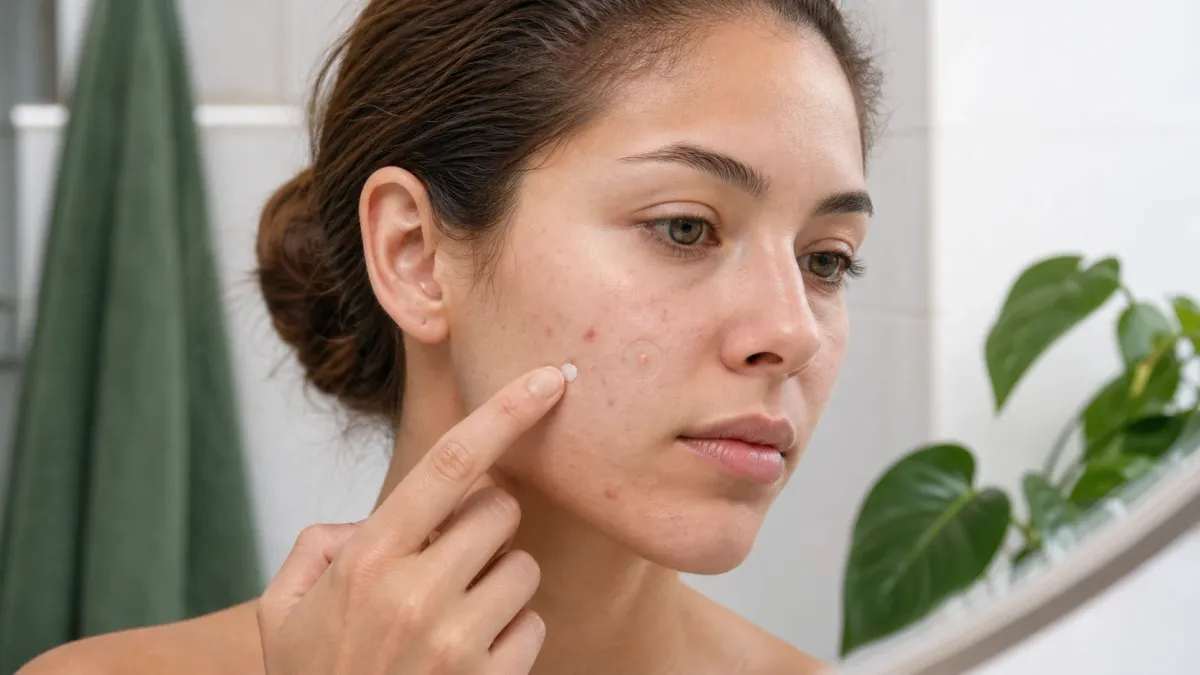
Use 2.5% benzoyl peroxide for a red inflamed pimple and plain hydrocolloid for a surfaced whitehead or picked spot. Salicylic acid fits clogged pores, while adapalene should be spread over the acne-prone area to prevent future lesions, not dabbed on one pimple. Deep painful or scarring acne needs dermatology care.
Quick Summary
- Red inflamed pimple: choose low-strength benzoyl peroxide.
- Surfaced whitehead: use plain hydrocolloid on clean, dry skin.
- Recurring clogged area: use prevention, not repeated emergency dabs.
- Deep painful acne: skip stronger DIY layers and see a dermatologist.
Match the Treatment to the Pimple You Actually Have
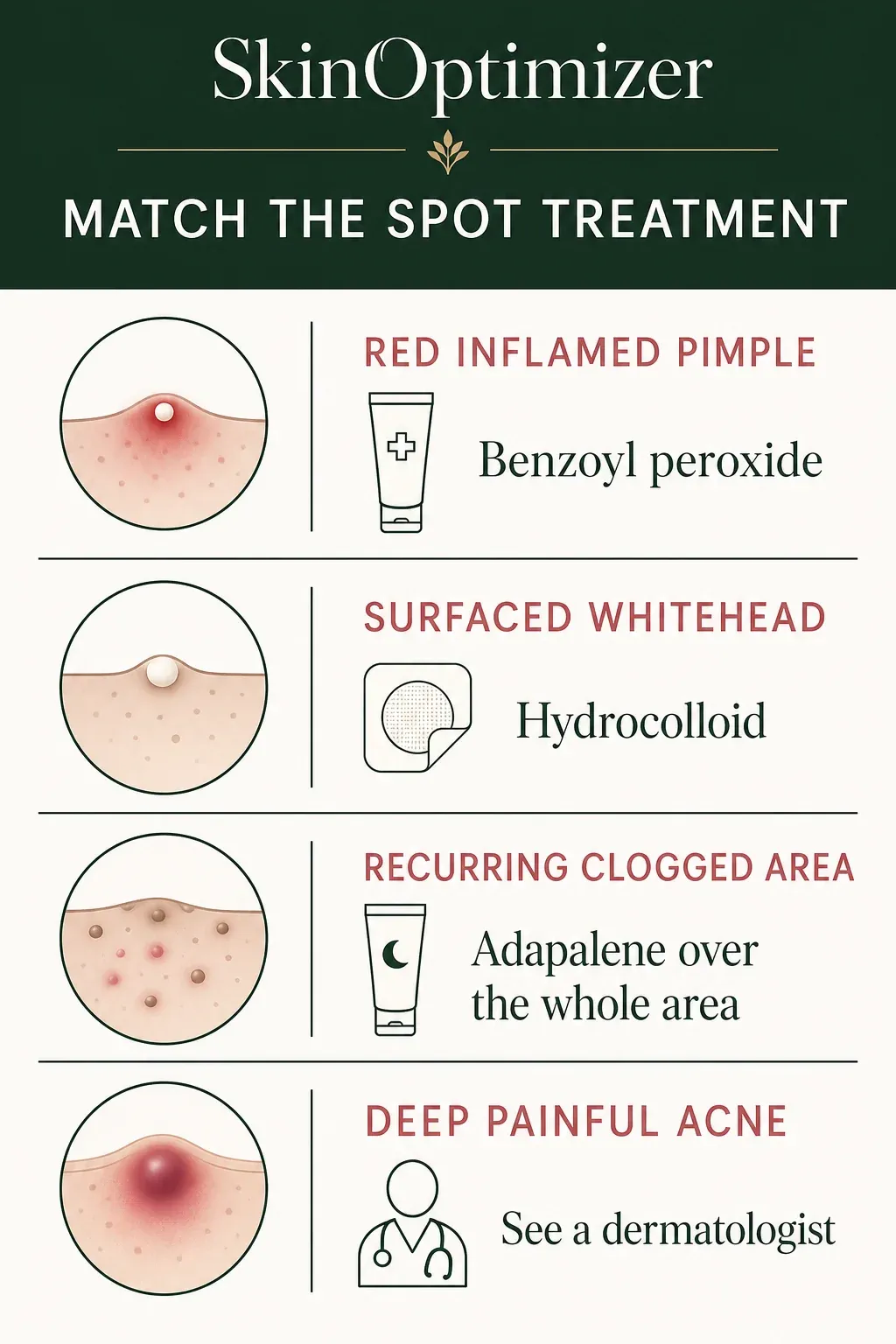
A red inflamed pimple, a surfaced whitehead and a deep painful nodule are not the same lesion. Benzoyl peroxide can fit an inflamed pimple. Plain hydrocolloid can cover a whitehead with fluid at the surface. Adapalene is better used across an acne-prone area to prevent future lesions, not as an emergency dab on one spot.
The AAD acne guideline strongly recommends benzoyl peroxide and topical retinoids, while salicylic acid is conditionally recommended. That evidence supports choosing an active by mechanism. It does not support the idea that every treatment should be piled onto one pimple overnight.
| What you see | Best first route | Realistic goal | Do not expect |
|---|---|---|---|
| Red inflamed pimple | 2.5% benzoyl peroxide | Reduce acne bacteria and inflammation | Instant flattening without dryness |
| Surfaced whitehead | Plain hydrocolloid | Absorb surface fluid and prevent picking | Treatment of deep inflammation |
| Blackhead or closed bump | Salicylic acid routine | Gradual pore decongestion | A drying dab to pull out the plug |
| Recurring acne-prone area | Adapalene or clinician plan | Prevent new clogged follicles | Use only on visible spots |
| Deep painful nodule | Dermatology advice | Reduce pain and scarring risk | A patch reaching under the skin |
Spot treatment is most useful for an occasional lesion within an otherwise stable routine. If new pimples appear every week across the same zone, prevention matters more than finding a stronger emergency cream. The breakout prevention guide explains how a full-area plan differs from a rescue dab.
Do not squeeze a pimple to make a patch “work better.” The AAD warns that popping can push material deeper, increase inflammation and raise the risk of discoloration and scarring.
Spot-Treatment Ingredients and Their Limits
Benzoyl peroxide for red inflamed pimples
Benzoyl peroxide reduces acne-associated bacteria and inflammation. A 2.5% leave-on product can be a reasonable starting strength. Higher percentages are not automatically better and are more likely to dry or irritate the skin.
Apply a thin film according to the drug label, not a visible white mound. Wash hands afterward and keep it away from colored towels, pillowcases and clothing because benzoyl peroxide can bleach fabric. Start once daily or every other day when skin is sensitive.
Hydrocolloid for surfaced whiteheads
Hydrocolloid is a fluid-absorbing dressing material. It works best when a lesion has fluid near the surface or has already opened. Apply it to clean, completely dry skin without serum or cream underneath, then leave it for the stated wear time.
Hero's current Mighty Patch Original directions say to cleanse and dry the skin, apply the patch and remove it after six to eight hours. The company identifies hydrocolloid as the key material. That makes the fit clear: surface whiteheads and picking protection, not blackheads or deep cysts.
Salicylic acid for clogged pores
Salicylic acid makes more sense for blackheads, closed comedones and an acne-prone zone than for a single angry red pimple. It works gradually through regular use. A 2% gel or liquid can be dabbed on a small area, but treating the full congestion pattern is usually more logical.
Do not layer salicylic acid under a hydrocolloid patch unless the product explicitly combines them. Occlusion can increase penetration and irritation. Plain hydrocolloid is the simpler starting point for a surfaced whitehead.
Adapalene for prevention, not emergency rescue
Adapalene is a topical retinoid used across the acne-prone area. It helps prevent microcomedones that later become visible pimples. It is not designed to flatten one lesion in a few hours, and using extra product on a spot only increases irritation.
Use a pea-size amount for the entire face or the directed treatment area, usually at night. Start slowly, moisturize and expect several weeks before judging prevention. Avoid retinoids during pregnancy unless a clinician specifically advises otherwise.
Sulfur and drying lotions
Sulfur products can help some superficial lesions, but strong drying lotions often combine alcohol, sulfur or acids and can irritate already inflamed skin. “Drying out” is not the same as resolving the follicular process. A cracked surface may look flatter while remaining inflamed underneath.
We removed the old drying-cream recommendation from this guide because its role was less clear than benzoyl peroxide or plain hydrocolloid and the legacy article duplicated the same Amazon listing around unrelated products.
Compare the Main Spot-Treatment Routes
| Treatment | Best lesion | How to use | Main watch-out |
|---|---|---|---|
| 2.5% benzoyl peroxide | Red inflamed papule or pustule | Thin layer on clean skin | Dryness and fabric bleaching |
| Plain hydrocolloid patch | Whitehead or draining spot | Clean dry skin for 6-8 hours | Little effect on closed or deep lesions |
| 2% salicylic acid | Blackheads and closed congestion | Small area or acne-prone zone | Irritation when combined with retinoids |
| Adapalene 0.1% | Recurring comedonal acne | Pea-size amount over full area | Not a spot rescue; initial irritation |
| Warm compress | Deep tender bump support | 10-15 minutes with gentle warmth | Supportive only; persistent pain needs care |
For a deep painful pimple, the AAD recommends a warm damp washcloth and an appropriate acne treatment. Hydrocolloid can protect the surface, but it cannot reach deep inflammation. A dermatologist may offer an injection or another treatment when rapid pain relief or scar prevention is important.
Two Spot Treatments With Clear, Different Jobs
Two products are enough for the actual emergency roles in this guide. The benzoyl peroxide cream fits a red inflamed pimple. The hydrocolloid patch fits a surfaced whitehead and the urge to pick. Adapalene is explained separately as prevention because calling it a spot treatment would mislead readers.
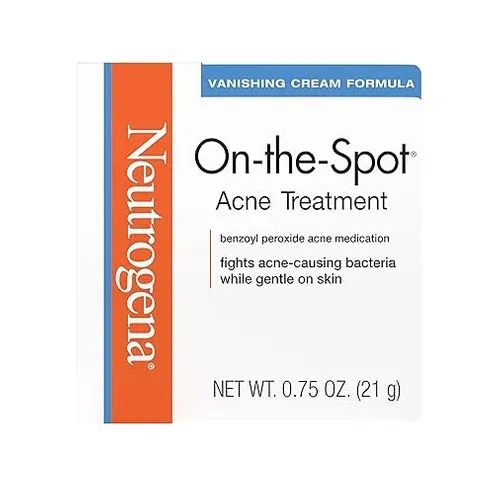
Neutrogena On-the-Spot Acne Treatment
An occasional red, inflamed pimple when you want a 2.5% benzoyl peroxide leave-on treatment.
The lower-strength formula targets the same benzoyl-peroxide mechanism without jumping immediately to a 10% product.
Watch-out: It can still dry skin and bleach fabrics. Use a thin layer and reduce frequency when persistent peeling or burning develops.
View on AmazonAs an Amazon Associate, SkinOptimizer may earn from qualifying purchases. Prices, sellers and availability can change.
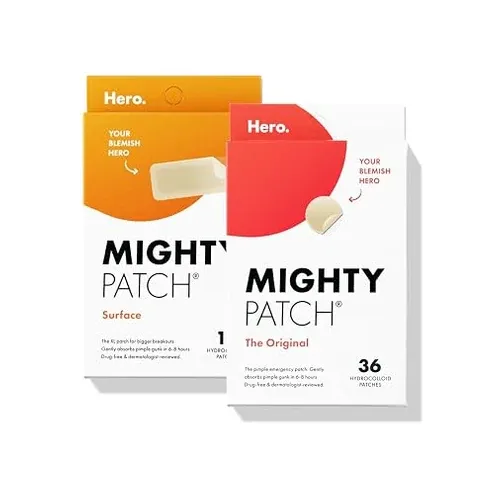
Hero Cosmetics Mighty Patch Original
A whitehead with fluid at the surface or a picked spot that needs a protective cover overnight.
Plain hydrocolloid absorbs surface fluid and creates a physical barrier that makes touching and squeezing harder.
Watch-out: It does little for blackheads, closed bumps or deep cystic acne. Apply only to clean, fully dry skin.
View on AmazonAs an Amazon Associate, SkinOptimizer may earn from qualifying purchases. Prices, sellers and availability can change.
How to Use a Spot Treatment Without Creating a Bigger Problem
Step 1: identify the lesion
Use a mirror in normal light. A white center at the surface suggests a hydrocolloid patch may absorb fluid. A red closed bump suggests benzoyl peroxide may fit. Multiple bumps across one region point toward a prevention routine, not repeated emergency dabs.
Step 2: cleanse gently and let the skin dry
Use lukewarm water and a non-scrubby cleanser. Pat dry. Hydrocolloid needs a dry surface to adhere. Benzoyl peroxide directions may permit application after cleansing; follow the exact drug label and avoid the eyelids, lips and corners of the nose.
Step 3: use one treatment
Do not apply benzoyl peroxide, salicylic acid, sulfur and a medicated patch to the same pimple. More mechanisms on one small area increase the chance of a chemical irritation mark. Pick one route and leave the rest of the routine bland.
Step 4: moisturize around the treatment
A light non-comedogenic moisturizer reduces tightness and helps you continue treatment. Apply it around a hydrocolloid patch rather than under it. With benzoyl peroxide, moisturizer can be used before or after if the label and your tolerance allow.
Step 5: protect the area in the morning
Use broad-spectrum SPF 30 or higher. Inflamed and picked spots are more likely to leave visible discoloration after UV exposure. Our acne sunscreen guide helps find a formula that does not make the routine feel heavier.
When a Spot Treatment Is the Wrong Strategy
If acne appears repeatedly along the jaw, cheeks, forehead, chest or back, treat the acne-prone area. A benzoyl peroxide wash, adapalene routine or prescription combination may be more efficient than placing a product on every new lesion after it forms.
The acne serum guide compares salicylic acid and retinol-format products for broader congestion and texture. The teen spot-treatment guide provides a simpler routine for younger skin.
Hormonal, nodular or scarring acne often needs medical care. A dermatologist can diagnose the pattern and discuss prescription retinoids, antimicrobial combinations, hormonal treatment or isotretinoin where appropriate. Do not delay care because a social video promises that toothpaste or a drying lotion will work overnight.
What to Expect After One Night and One Week
After one night, a hydrocolloid patch may look white and the lesion may appear flatter because surface fluid was absorbed. A benzoyl peroxide-treated pimple may look less inflamed, unchanged or temporarily drier. None of those observations predicts whether another pimple will form nearby.
After one week, an occasional lesion should be moving toward resolution. Stop repeatedly treating skin that is now flat but pink or brown. That is post-inflammatory color, not an active pimple. Continued benzoyl peroxide or acid on a flat mark can create irritation without accelerating pigment clearance. For flat brown marks, use the hyperpigmentation routine for the next phase.
If the spot becomes larger, increasingly painful, hot, crusted or surrounded by spreading redness, stop self-treatment and seek medical advice. A lesion near the eye or a rapidly swelling face is not a routine cosmetic problem.
Prevent the Next Pimple Without Over-Treating
Keep the prevention routine short: gentle cleanser, one acne active, moisturizer and sunscreen. A salicylic acid cleanser may suit oily clogged skin, while a leave-on adapalene plan may suit recurring comedones. Do not run both at maximum frequency during the first week. The acne cleanser guide helps avoid duplicating actives.
Change pillowcases regularly, remove makeup before sleep and clean objects that touch the face, but do not treat hygiene as the root cause of acne. Hormones, follicular keratinization, sebum and inflammation play larger roles. Excessive washing can worsen irritation.
For teenagers, keep the plan easy enough to follow during school and sports. One consistent treatment is more useful than rotating trend products. The sensitive teenage skincare guide provides a barrier-first baseline when acne products sting.
What Not to Put on a Pimple
- Toothpaste: flavorings and detergents can irritate facial skin.
- Undiluted essential oil: irritation and allergy risk are not evidence of acne treatment.
- Rubbing alcohol: strong surface drying damages comfort and can worsen picking.
- Lemon juice: unpredictable acidity and plant compounds can irritate and sensitize skin.
- Several prescription products together: follow the clinician's schedule instead of improvising.
- A thick paste of benzoyl peroxide: excess product increases bleaching and irritation.
Common Spot-Treatment Mistakes
- Using adapalene only on visible pimples: it is a prevention treatment for the acne-prone area.
- Putting a patch on moisturizer: poor adhesion reduces the useful seal.
- Using hydrocolloid on a deep cyst: a surface dressing cannot reach deep inflammation.
- Squeezing before patching: trauma increases inflammation and mark risk.
- Choosing 10% benzoyl peroxide first: higher strength is not automatically faster.
- Stacking acids under occlusion: a patch can intensify irritation.
- Ignoring recurring acne: repeated spots need prevention, not only rescue products.
When to See a Dermatologist
Make an appointment for deep painful nodules, acne that is leaving pits or raised scars, widespread chest or back acne, or breakouts that do not improve after a consistent evidence-based routine. Seek earlier help when acne is affecting confidence, school, work or social life.
Urgent medical advice is appropriate for facial swelling, hives, blistering or severe burning after a product. Stop the product and do not cover a significant reaction with more actives.
The Bottom Line
Use benzoyl peroxide for a red inflamed pimple and plain hydrocolloid for a surfaced whitehead or picked spot. Use salicylic acid or adapalene across the appropriate acne-prone area when prevention is the real need. Deep painful or scarring acne deserves dermatology care. The best spot treatment is not the harshest product; it is the one that matches the lesion without damaging the surrounding skin.
Frequently Asked Questions
What spot treatment works fastest on a red pimple?
A thin layer of 2.5% benzoyl peroxide is a reasonable evidence-based starting point for an inflamed pimple. It still takes time and can cause dryness or bleach fabrics.
Do pimple patches work on cystic acne?
Plain hydrocolloid patches mainly absorb surface fluid and prevent picking. They cannot reach deep cystic inflammation, although they may protect the surface.
Should adapalene be used as a spot treatment?
No. Adapalene works best as a thin layer over the acne-prone area to prevent future clogged follicles. Extra product on one pimple increases irritation without creating an overnight rescue.
Can I put salicylic acid under a pimple patch?
Avoid layering a separate acid under an occlusive patch unless the product directions specifically support it. Occlusion can increase penetration and irritation.
When does a pimple need a dermatologist?
Seek care for deep painful nodules, spreading acne, scarring, repeated treatment failure or breakouts that significantly affect confidence and daily life.