Best Face Oils in 2026: 6 Picks by Skin Type and Texture
Compare six verified face oils by texture and skin type, then learn how to layer squalane, jojoba, rosehip or argan without replacing moisturizer.

In this guide
What is the best face oil for your skin?
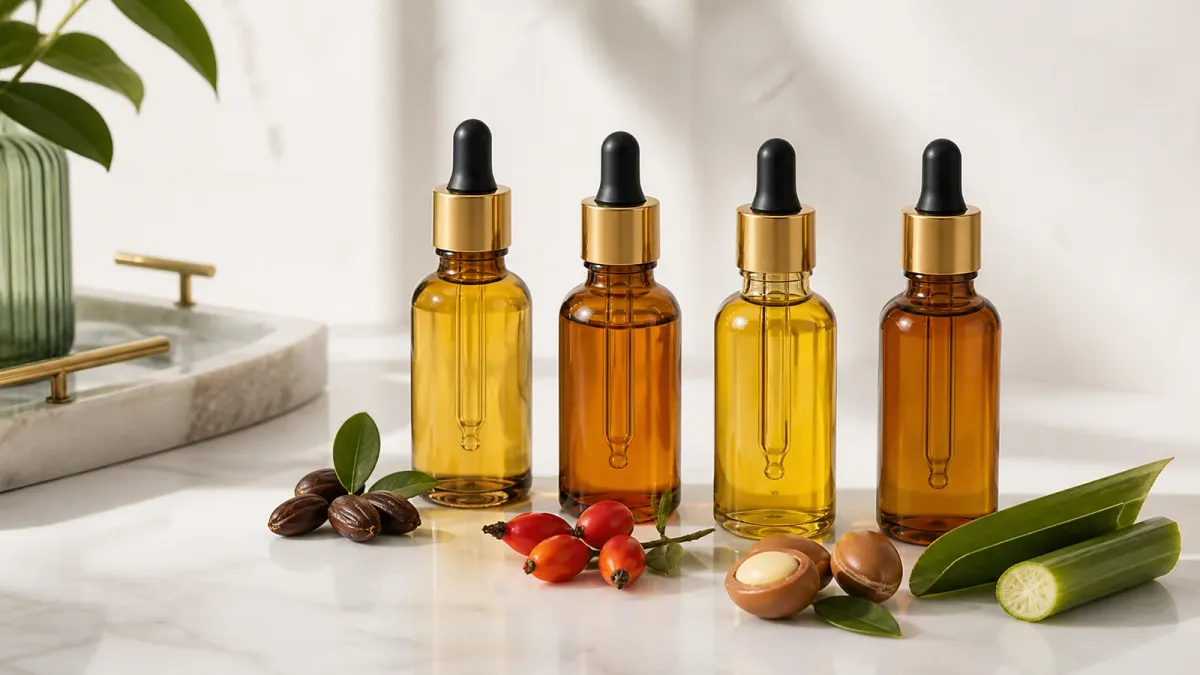
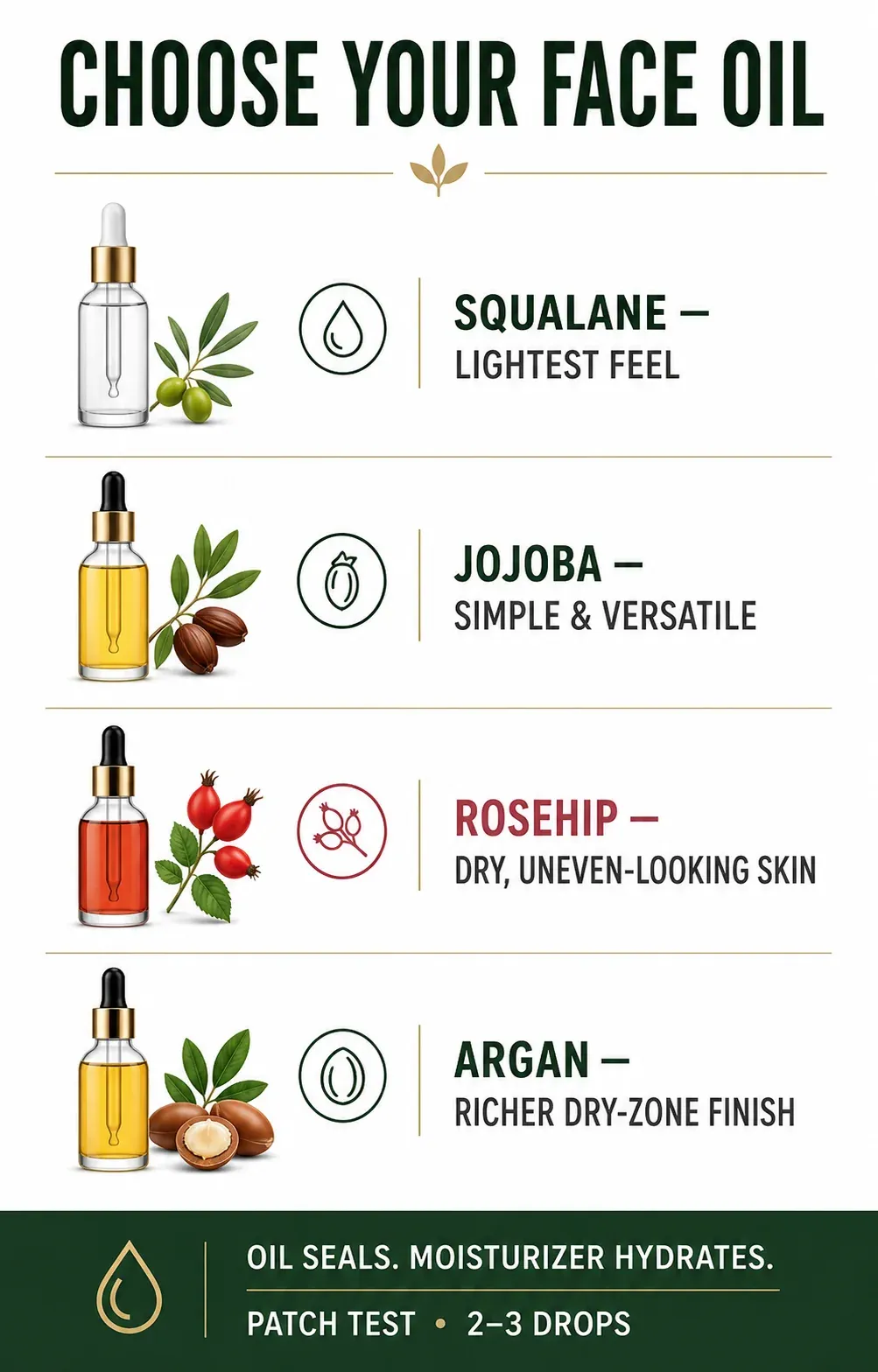
Start with squalane if you want the lightest, simplest facial oil; choose jojoba for a versatile budget option; use rosehip for a richer finish on dry or uneven-looking skin; and reserve argan for dry zones. Face oil is a finishing emollient, not automatically a complete moisturizer. Use two or three drops after moisturizer, keep sunscreen undiluted, and introduce only one new oil at a time.
Choose by texture, not by hype
- Lightest start: squalane is stable and usually less greasy than traditional seed oils.
- Most versatile: jojoba works for small facial amounts and multipurpose hair or body use.
- Richer option: rosehip or argan fits dry zones better than an oily T-zone.
- Correct order: apply oil after moisturizer and before bed, not mixed into sunscreen.
- Acne caution: no oil is universally non-comedogenic; watch your own repeat pattern.
- Skip DIY fragrance: essential oils are concentrated irritants, not face-oil substitutes.
Face oils can make dry skin feel smoother, reduce the rough look of flaky areas and add slip to a nighttime routine. They also create confusion because marketing often uses hydration, nourishment and barrier repair as if those terms meant the same thing.
The practical distinction is simple. A pure oil adds lipids and emollience and can reduce some water loss, but it does not supply water the way a water-containing moisturizer does. That is why the best face oil is often a small final step rather than the entire moisturizing routine.
What Face Oil Can and Cannot Do
Facial oils are emollients: they fill spaces between rough surface cells and make skin feel softer. Some oils also form a partial barrier that slows evaporation, which is why they can improve comfort in cold weather or during a drying routine.
Evidence does not support treating all plant oils as interchangeable. A PubMed review of natural oils and skin-barrier repair explains that fatty-acid ratios, processing and refinement influence how an oil behaves. The review specifically cautions that oils high in oleic acid can be less helpful for barrier function than oils with a higher linoleic-to-oleic ratio.
Avocado oil is one of the richer plant-oil options. Our evidence-led avocado oil guide explains where it may fit, why acne-prone facial skin needs caution, and how to patch test it.
A face oil cannot add broad-spectrum UV protection, replace acne medication or erase an established scar. It also cannot rescue a routine that is over-cleansed, overloaded with exfoliants or missing a suitable moisturizer.
Face oil versus moisturizer
A moisturizer is a finished formulation that may combine water, humectants such as glycerin, emollients, occlusives and stabilizers. A pure oil contains no water phase, so its strongest role is softening and sealing rather than delivering complete hydration.
The AAD's moisturizer guidance recommends choosing texture according to skin type and severity of dryness. If a face oil alone leaves skin tight beneath the shine, move to a cream rather than adding more drops.
Carrier oils versus essential oils
Squalane, jojoba, rosehip, argan and sweet almond are carrier oils or oil-like emollients. Essential oils are volatile fragrance concentrates. They are not equivalent, and direct essential-oil use on facial skin can cause irritation or sensitization.
This refreshed guide deliberately removes the old homemade essential-oil recipes. A commercial formula with fragrance may still be tolerated by some readers, but reactive skin has a clearer starting point with a fragrance-free, single-ingredient product.
Choose a Face Oil by Skin Type and Routine Need
| Skin or routine need | Start with | Use carefully |
|---|---|---|
| Combination or oily-feeling skin | Two drops of squalane on dry zones only | Full-face layers of richer seed oils |
| Dry, tight skin | Cream moisturizer plus squalane or argan | Using oil instead of a water-containing moisturizer |
| Uneven-looking dry skin | Rosehip as a finishing step | Expecting it to replace sunscreen or proven treatments |
| Acne treatment dryness | Acne-friendly moisturizer first | Adding oil while breakouts are rapidly changing |
| Reactive or fragrance-sensitive skin | Single-ingredient squalane or jojoba patch test | Essential oils and fragranced blends |
Oily or acne-prone skin
Oily skin does not need to be “balanced” with more oil, and a face oil is optional. If you are curious, test squalane on one dry zone while keeping cleanser, treatment and moisturizer unchanged.
The AAD advises acne-prone readers to prefer products labeled oil-free, non-comedogenic or unlikely to clog pores. Review our guide to non-comedogenic products before adding a pure oil to an already congested routine.
Dry or treatment-irritated skin
Dryness from weather, retinoids, benzoyl peroxide or over-cleansing often needs a gentle cleanser and a complete moisturizer first. The AAD explains that a suitable moisturizer can improve tolerance of common acne treatments.
Once that base is comfortable, two drops of squalane or argan can reduce roughness on top. For a more structured repair approach, compare our skin-barrier moisturizer picks instead of asking oil to do every job.
Sensitive or eczema-prone skin
Keep the formula short, fragrance-free and easy to stop. Even a single botanical ingredient can trigger irritation or allergy, so “natural” does not remove the need for a patch test.
Persistent burning, cracking, rash or widespread itch deserves professional evaluation. The AAD's current dry-skin guidance prioritizes gentle fragrance-free care and creams or ointments when dryness is substantial.
Best Face Oils: Quick Comparison
The ranking reflects routine fit and ingredient clarity, not a universal promise of results. Check the current Amazon seller, package size and ingredient list before ordering.
| Product | Best for | Main limitation |
|---|---|---|
| The Ordinary 100% Plant-Derived Squalane | normal, combination or treatment-dry skin that dislikes a rich oily finish | A light texture is not a guarantee against breakouts, and pure squalane does not supply water or replace a complete moisturizer. Start with two drops over moisturizer or only on dry areas. |
| Cliganic Organic Jojoba Oil | readers who want one simple oil for face, body, hair or dry cuticles | The large multipurpose bottle makes overapplication easy. Decant hygienically, keep the dropper away from skin, and do not assume that natural or organic means irritation-proof. |
| The Ordinary 100% Organic Cold-Pressed Rose Hip Seed Oil | dry or uneven-looking skin when a richer seed oil is acceptable | Rosehip oil can oxidize and develop an off smell, so store it away from heat and light. It is not a substitute for retinoids, sunscreen or medical treatment of scars and pigmentation. |
| Cliganic Organic Argan Oil | dry cheeks, flaky patches and readers who also want hair or nail use | Nut allergies and sensitivities require caution even though argan is not the same as a common food nut. Patch test first, avoid the eye area, and stop for swelling, hives or persistent irritation. |
| NOW Solutions Sweet Almond Oil | dry body areas and occasional facial use when almond oil is already tolerated | Skip it if you have an almond allergy or if a large open bottle will sit for years. This is the most conditional face recommendation in the list and should never be used to remove eye makeup in someone with allergy concerns. |
| Palmer's Skin Therapy Face Oil | dry skin that prefers a formulated blend instead of a single carrier oil | The listing includes rosehip fragrance, so this is not the best choice for fragrance-sensitive or highly reactive skin. A longer ingredient list also makes it harder to identify the cause of a reaction. |
The 6 Best Face Oils in 2026
These products are arranged from the simplest lightweight starting point to more conditional, richer or fragranced options. You do not need all six; choose the one that fills a real gap.
1. The Ordinary 100% Plant-Derived Squalane
Why it fits: The current one-ounce listing contains a simple plant-derived squalane formula and positions it for lightweight skin and hair hydration support. Squalane is chemically stable and usually feels lighter than many traditional seed oils, making it the clearest first experiment for readers who are unsure whether facial oil belongs in their routine.
Watch-out: A light texture is not a guarantee against breakouts, and pure squalane does not supply water or replace a complete moisturizer. Start with two drops over moisturizer or only on dry areas.
- Best for: normal, combination or treatment-dry skin that dislikes a rich oily finish.
- Start with: Two drops on damp, moisturized skin at night.
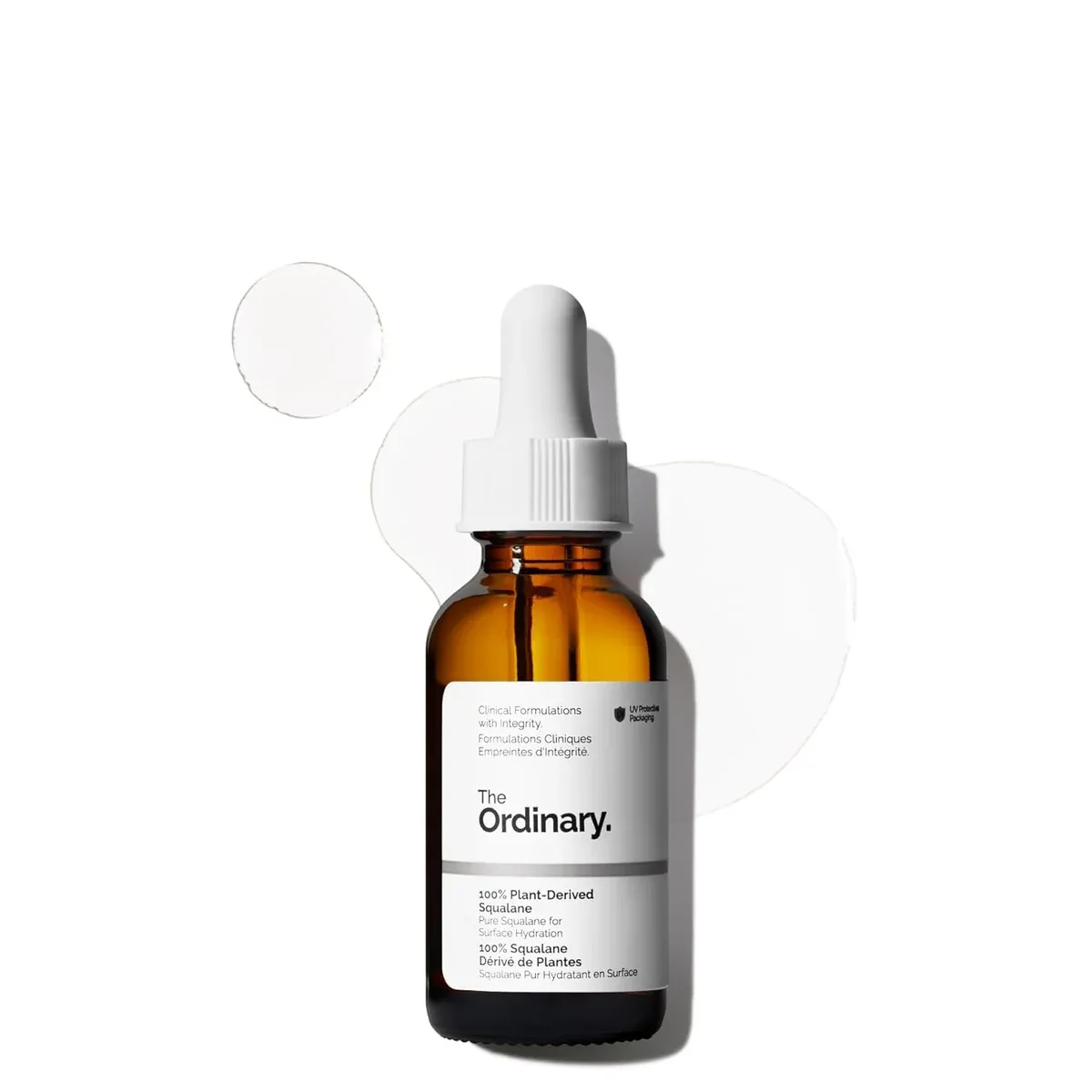
The Ordinary 100% Plant-Derived Squalane
Best for: normal, combination or treatment-dry skin that dislikes a rich oily finish.
Before you buy: A light texture is not a guarantee against breakouts, and pure squalane does not supply water or replace a complete moisturizer. Start with two drops over moisturizer or only on dry areas.
View The Ordinary Squalane on AmazonAs an Amazon Associate, SkinOptimizer may earn from qualifying purchases.
2. Cliganic Organic Jojoba Oil
Why it fits: The verified four-ounce listing is a single-ingredient, cold-pressed jojoba product. Jojoba is technically a liquid wax rather than a triglyceride oil, and its spreadable finish makes it practical for targeted facial use without requiring a tiny luxury bottle.
Watch-out: The large multipurpose bottle makes overapplication easy. Decant hygienically, keep the dropper away from skin, and do not assume that natural or organic means irritation-proof.
- Best for: readers who want one simple oil for face, body, hair or dry cuticles.
- Start with: Two drops on damp, moisturized skin at night.
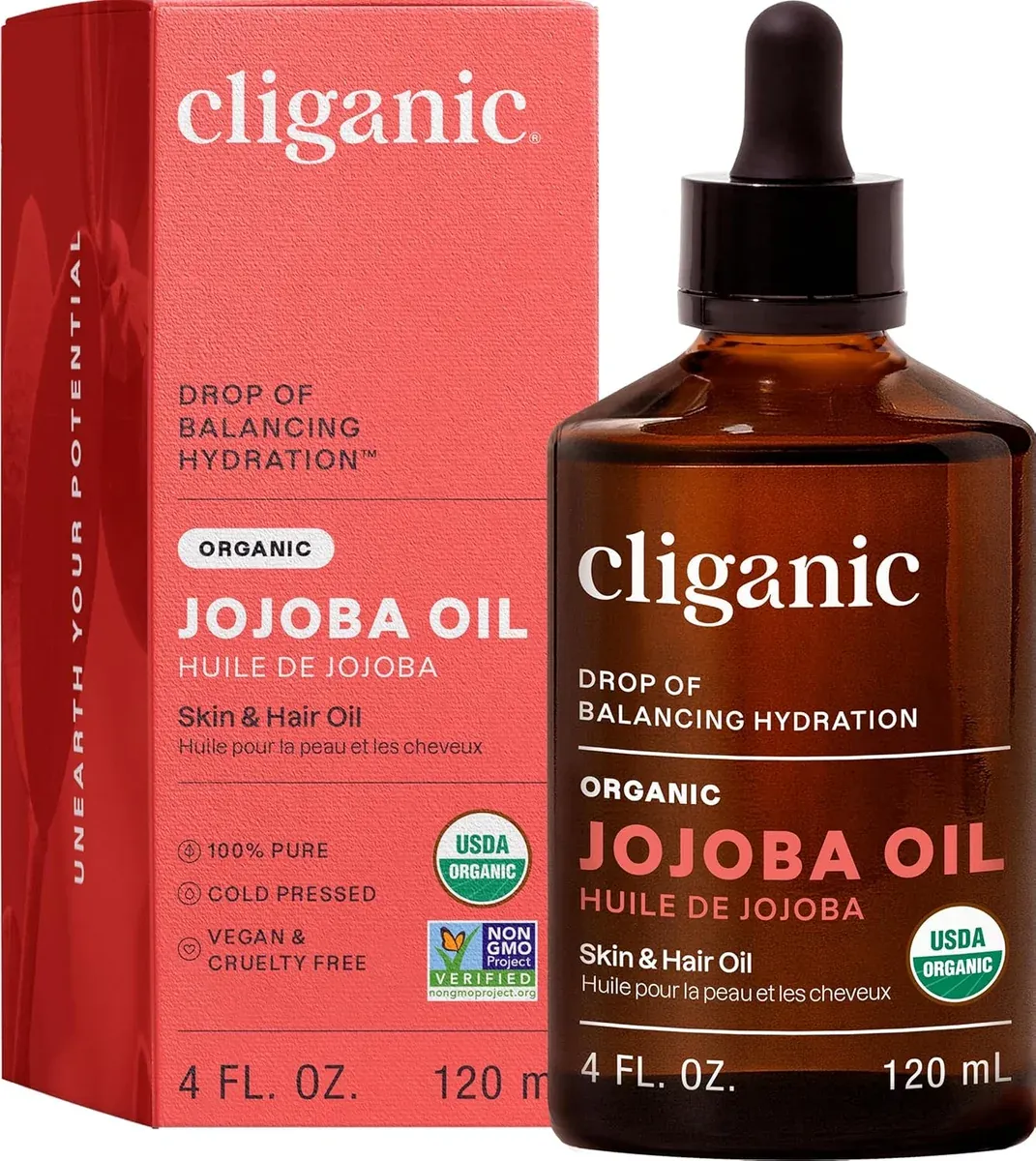
Cliganic Organic Jojoba Oil
Best for: readers who want one simple oil for face, body, hair or dry cuticles.
Before you buy: The large multipurpose bottle makes overapplication easy. Decant hygienically, keep the dropper away from skin, and do not assume that natural or organic means irritation-proof.
View Cliganic Jojoba Oil on AmazonAs an Amazon Associate, SkinOptimizer may earn from qualifying purchases.
3. The Ordinary 100% Organic Cold-Pressed Rose Hip Seed Oil
Why it fits: The current one-ounce listing is a single-ingredient cold-pressed rosehip seed oil. Its deeper color and richer feel clearly distinguish it from squalane, and the small bottle is easier to finish while the oil is fresh than an oversized multipurpose format.
Watch-out: Rosehip oil can oxidize and develop an off smell, so store it away from heat and light. It is not a substitute for retinoids, sunscreen or medical treatment of scars and pigmentation.
- Best for: dry or uneven-looking skin when a richer seed oil is acceptable.
- Start with: Two drops on damp, moisturized skin at night.
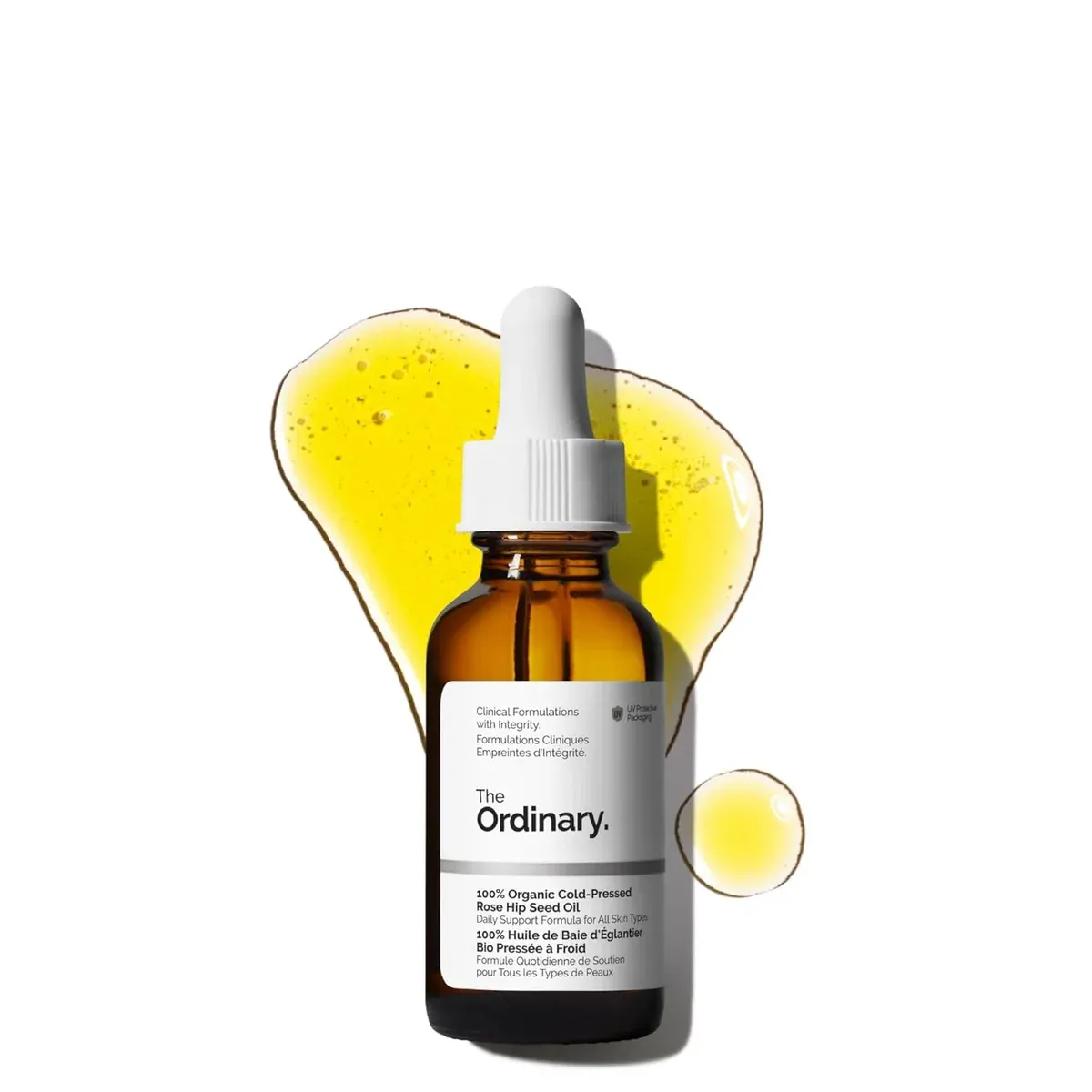
The Ordinary 100% Organic Cold-Pressed Rose Hip Seed Oil
Best for: dry or uneven-looking skin when a richer seed oil is acceptable.
Before you buy: Rosehip oil can oxidize and develop an off smell, so store it away from heat and light. It is not a substitute for retinoids, sunscreen or medical treatment of scars and pigmentation.
View The Ordinary Rosehip Oil on AmazonAs an Amazon Associate, SkinOptimizer may earn from qualifying purchases.
4. Cliganic Organic Argan Oil
Why it fits: The verified two-ounce listing is a single-ingredient cold-pressed argan oil positioned for face, skin and hair. It has a richer cushion than squalane and works best as a final dry-zone step rather than a full-face default for every skin type.
Watch-out: Nut allergies and sensitivities require caution even though argan is not the same as a common food nut. Patch test first, avoid the eye area, and stop for swelling, hives or persistent irritation.
- Best for: dry cheeks, flaky patches and readers who also want hair or nail use.
- Start with: Two drops on damp, moisturized skin at night.
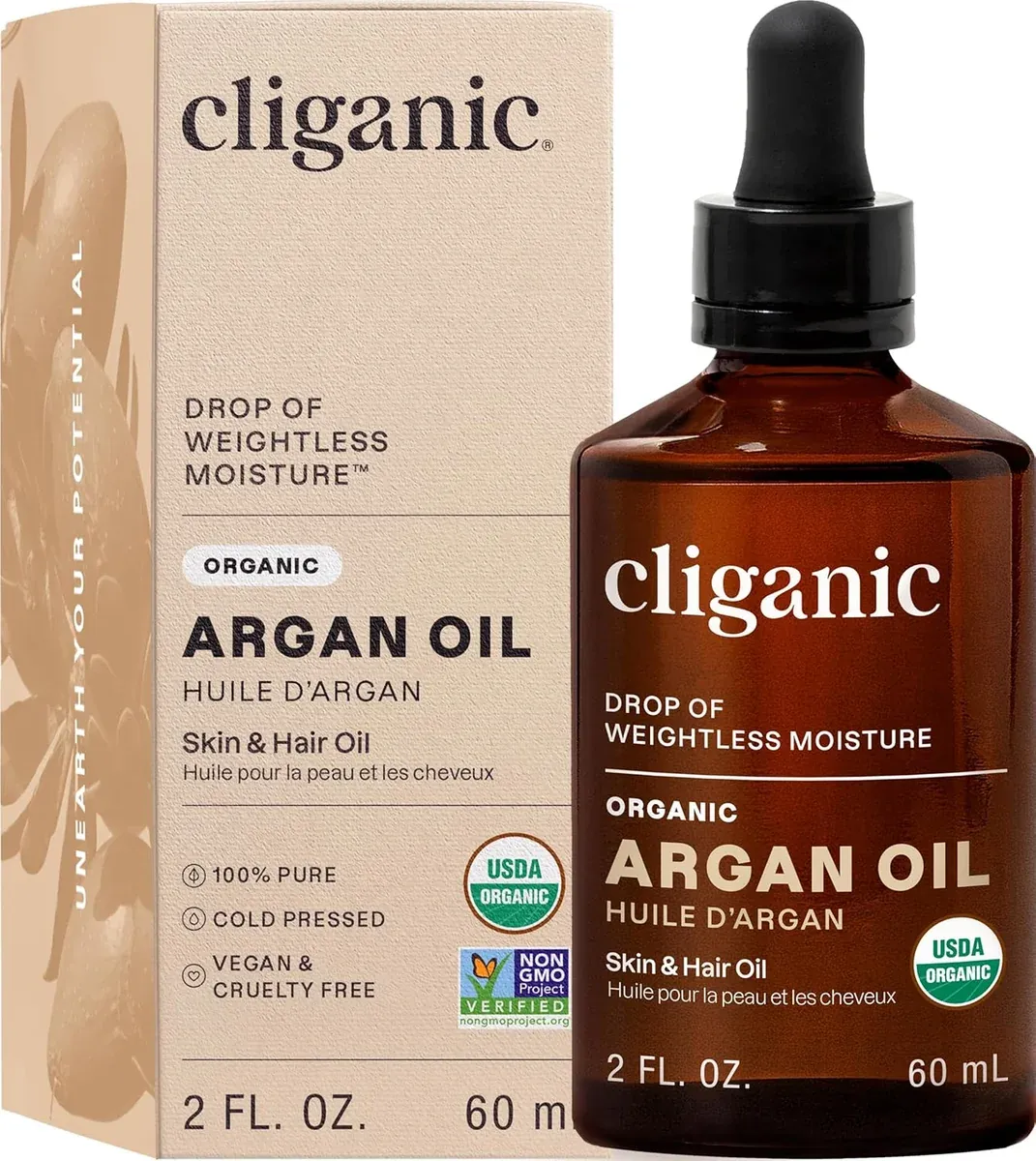
Cliganic Organic Argan Oil
Best for: dry cheeks, flaky patches and readers who also want hair or nail use.
Before you buy: Nut allergies and sensitivities require caution even though argan is not the same as a common food nut. Patch test first, avoid the eye area, and stop for swelling, hives or persistent irritation.
View Cliganic Argan Oil on AmazonAs an Amazon Associate, SkinOptimizer may earn from qualifying purchases.
5. NOW Solutions Sweet Almond Oil
Why it fits: The verified 16-ounce listing is a fragrance-free sweet almond oil sold as a multipurpose moisturizing oil. The value is strong for body use, massage or mixing one measured drop into a plain cream, but it is less convenient and less targeted than a small facial bottle.
Watch-out: Skip it if you have an almond allergy or if a large open bottle will sit for years. This is the most conditional face recommendation in the list and should never be used to remove eye makeup in someone with allergy concerns.
- Best for: dry body areas and occasional facial use when almond oil is already tolerated.
- Start with: Two drops on damp, moisturized skin at night.
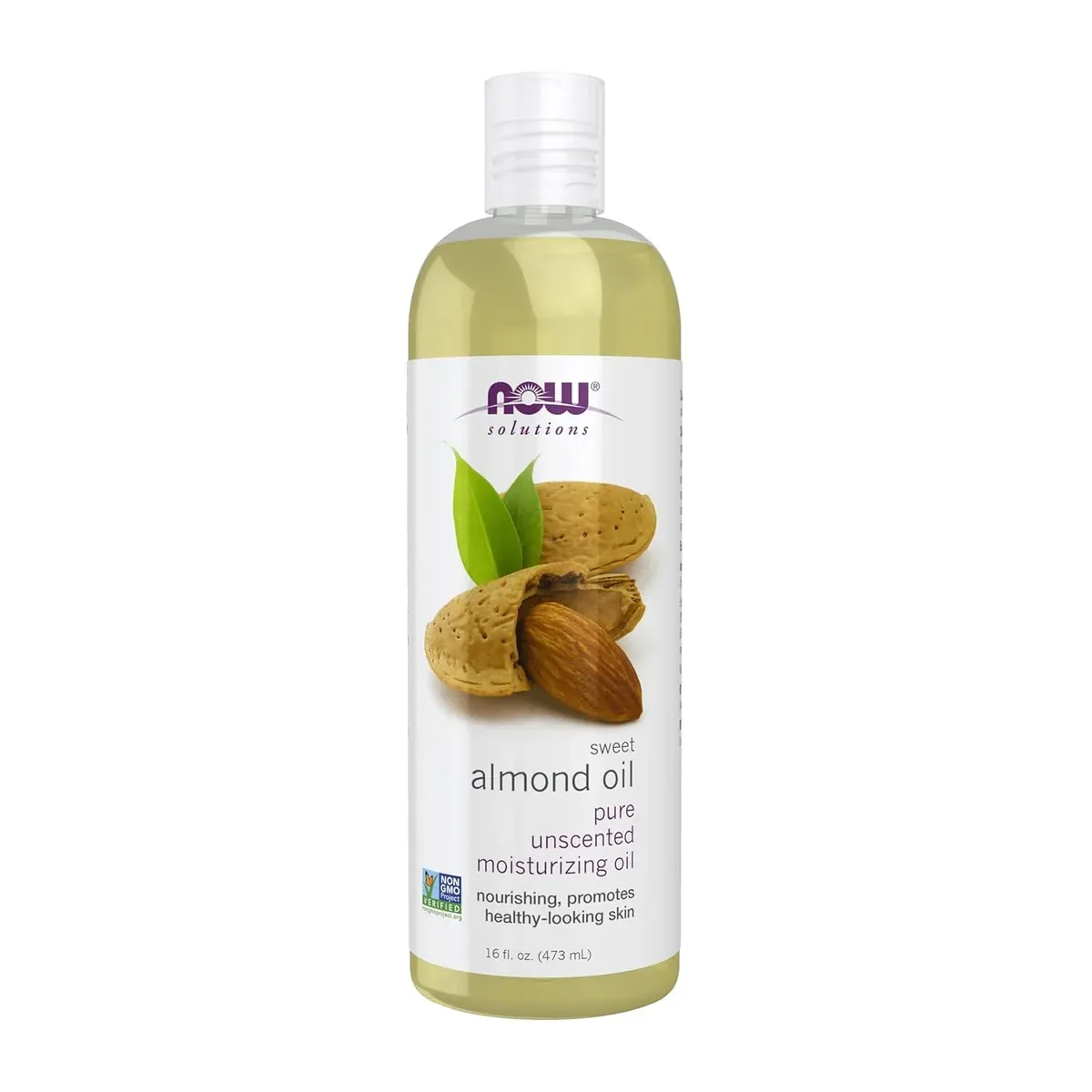
NOW Solutions Sweet Almond Oil
Best for: dry body areas and occasional facial use when almond oil is already tolerated.
Before you buy: Skip it if you have an almond allergy or if a large open bottle will sit for years. This is the most conditional face recommendation in the list and should never be used to remove eye makeup in someone with allergy concerns.
View NOW Sweet Almond Oil on AmazonAs an Amazon Associate, SkinOptimizer may earn from qualifying purchases.
6. Palmer's Skin Therapy Face Oil
Why it fits: The current one-ounce listing combines multiple facial oils with vitamin derivatives in a dropper format. It offers a more cosmetic, ready-made experience than the single-ingredient picks and may appeal to readers who want one blended finishing product.
Watch-out: The listing includes rosehip fragrance, so this is not the best choice for fragrance-sensitive or highly reactive skin. A longer ingredient list also makes it harder to identify the cause of a reaction.
- Best for: dry skin that prefers a formulated blend instead of a single carrier oil.
- Start with: Two drops on damp, moisturized skin at night.
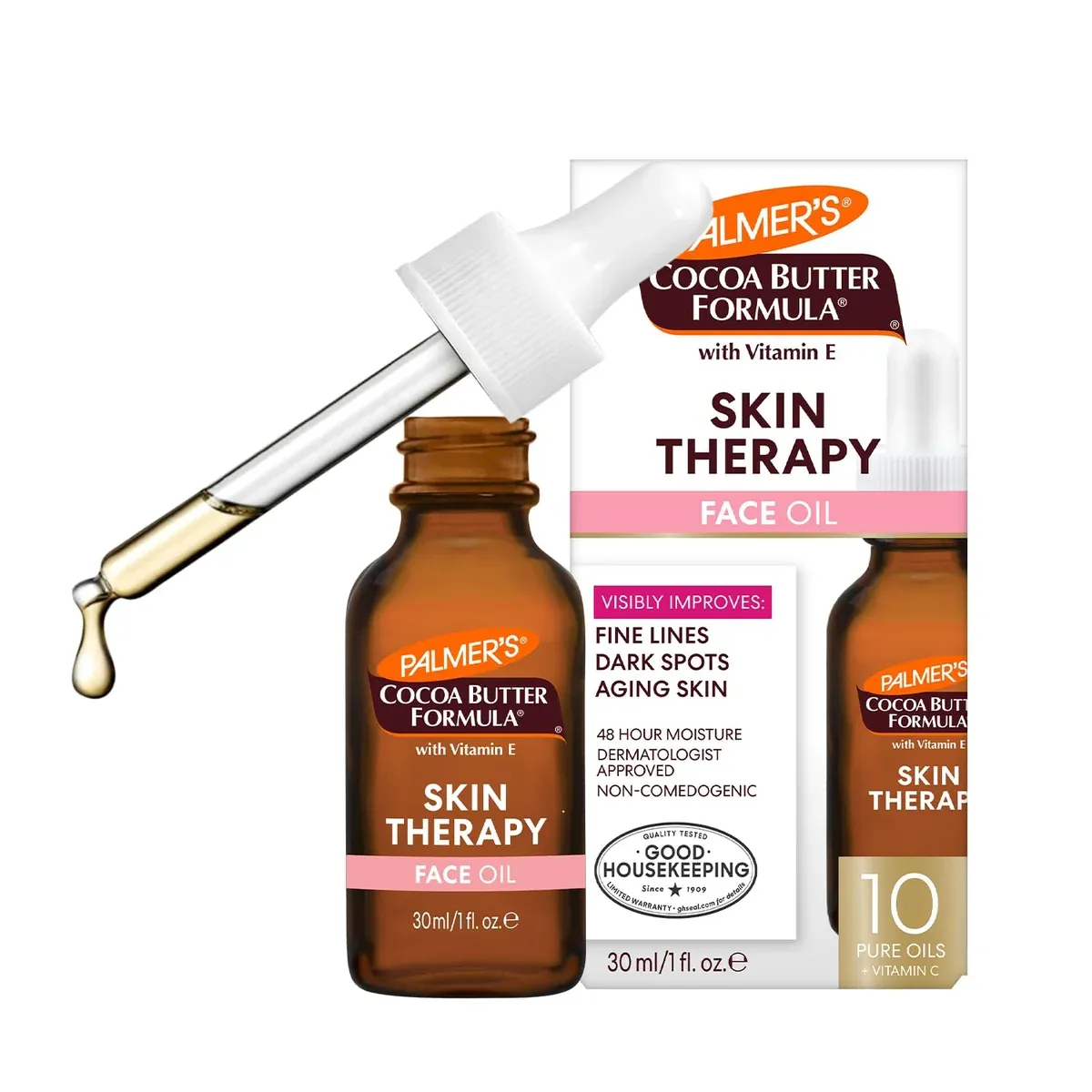
Palmer's Skin Therapy Face Oil
Best for: dry skin that prefers a formulated blend instead of a single carrier oil.
Before you buy: The listing includes rosehip fragrance, so this is not the best choice for fragrance-sensitive or highly reactive skin. A longer ingredient list also makes it harder to identify the cause of a reaction.
View Palmer's Face Oil on AmazonAs an Amazon Associate, SkinOptimizer may earn from qualifying purchases.
How to Use Face Oil Without Making the Routine Greasy
Use face oil at night first, when makeup wear and sunscreen film are not variables. Cleanse gently, apply water-based treatment only if it is already tolerated, then use moisturizer and press two or three drops of oil over the skin.
Do not rub a full dropper into the face. Extra product mostly increases shine and transfer to the pillow; it does not create proportionally better barrier support.
Where oil belongs in the order
Move from thinner water-based products to thicker emollient layers. Our guide to layering serum and moisturizer covers the base sequence; oil usually comes after both.
In the morning, sunscreen stays last and must remain undiluted. Mixing facial oil into sunscreen can alter the tested film, reduce even coverage and make the label directions unreliable.
How often to use it
Start two or three nights per week. Increase only if the skin feels more comfortable without a repeated rise in congestion, redness or morning oiliness.
Season matters. A product that helps during cold indoor heating may feel excessive in a humid summer, so adjust by comfort rather than forcing a permanent daily schedule. Our seasonal skincare guide explains how to change texture without rebuilding the entire routine.
Can Face Oils Cause Breakouts?
Yes, a facial oil can contribute to congestion or irritation in an individual routine. It can also be blamed for breakouts caused by hormones, hair products, friction, inconsistent acne treatment or several simultaneous product changes.
There is no universal online comedogenicity chart that can predict how a finished product behaves on every face. Concentration, formula, application amount and personal response matter more than treating a single number as certainty.
Read our detailed answer to whether facial oils cause breakouts if acne is the main concern. For an established acne routine, keep the cleanser and treatment stable and add oil only when dryness creates a clear reason.
Face Oil Mistakes That Waste Product or Irritate Skin
- Using oil on bone-dry skin: apply moisturizer first so there is water to retain.
- Mixing oil into sunscreen: this changes a tested protective film and should be avoided.
- Starting with a full dropper: two or three drops are enough for most faces.
- Adding essential oils: fragrance concentrates raise irritation risk without improving basic moisturization.
- Buying by a scar claim: oils can soften surface texture but do not erase established scars.
- Keeping oxidized oil: discard a product that develops an unusual rancid smell or major color change.
Another common mistake is buying a facial oil when the real need is a cream. Compare our best moisturizers for dry skin before adding a sealant to a routine that still lacks hydration.
When to Skip Face Oil
Skip the experiment during an active rash, widespread stinging, swelling or a rapidly changing breakout pattern. Simplify first so that you can identify what the skin tolerates.
People with known plant or nut allergies should check the exact botanical source and ask a qualified professional when uncertain. Stop immediately for hives, facial swelling, blistering or breathing symptoms and seek appropriate urgent care.
Face oil is also unnecessary when the current moisturizer already leaves the skin comfortable through the night. A shorter routine is often easier to evaluate and more consistent than adding a decorative step.
The Bottom Line
The best face oil is the one that solves a specific texture problem without replacing the parts of the routine that actually hydrate, treat and protect skin. Squalane is the clearest lightweight starter, jojoba is the most versatile value pick, rosehip suits a richer uneven-tone routine, and argan belongs mainly on dry zones.
Use two or three drops after moisturizer, keep the rest of the routine stable and judge your own skin rather than a viral ranking chart. Readers focused on age-related dryness can also compare our guide to anti-aging facial oils; acne-prone readers should start with the simpler acne-prone skincare routine.
Frequently Asked Questions About Face Oils
Do face oils replace moisturizer?
Usually no. A complete moisturizer can combine water, humectants, emollients and ingredients that reduce water loss, while a pure oil mainly adds emollience and helps slow evaporation. Apply a few drops over moisturizer or mix one drop into a plain cream if the products remain comfortable together.
Which facial oil is best for beginners?
Squalane is the most straightforward starting point because it is stable, usually light and available in simple single-ingredient formulas. Jojoba is another versatile option. Begin with two drops on one facial zone rather than coating the entire face on the first night.
Can facial oil cause acne or clogged pores?
Yes, any leave-on product can be a poor fit for an individual routine. The risk depends on the finished product, amount, skin, climate and other layers. Acne-prone readers should introduce one oil slowly, keep the rest of the routine stable and stop if congestion repeatedly increases in the same areas.
Should face oil go before or after moisturizer?
For most routines, apply water-based treatments first, then moisturizer, then two or three drops of oil as the final step. If the oil is already part of a formulated moisturizer, follow the label. Sunscreen remains the final skincare step in the morning and should not be diluted with oil.
Can I use essential oils directly on my face?
No. Essential oils are concentrated fragrance materials, not interchangeable with carrier oils such as squalane, jojoba or argan. Direct use can irritate or sensitize skin. This guide does not recommend homemade essential-oil blends for facial care.
Before adding another oil, use the face-oil layering and timing guide to decide whether your routine needs more sealing, more water or simply a richer moisturizer.