Gut Health and Skin: 7 Ways Your Gut Affects Radiance | SkinOptimizer
Evidence-based guide to the gut-skin axis. Learn how gut health affects acne, eczema, and radiance — with actionable dietary strategies that dermatologists recommend.

In this guide
Nutrition and supplement limits
Food supports general health but does not detox skin or replace acne treatment. The American Academy of Dermatology review of diet and acne describes a possible high-glycemic signal while noting that diet alone is not a treatment plan. Avoid universal dairy, gluten or sugar bans based on one person's result.
The FDA's dietary-supplement guidance warns that supplements can interact with medicines and are not approved like drugs before sale. Pregnancy, breastfeeding, kidney or liver disease, eating-disorder history, anticoagulants and other medicines require clinician or dietitian guidance before supplements or major restriction.
The Gut-Skin Connection at a Glance
- ❌ Inflammation starts in the gut - 70% of your immune cells live in your digestive tract. Gut microbiome differences are associated with inflammatory skin conditions, but association does not prove that a supplement or diet change will clear acne, redness or eczema.
- Probiotics are not all equal - Specific strains like Lactobacillus rhamnosus GG and Bifidobacterium lactis have clinical evidence for skin benefits. Generic probiotics may not help.
- ❌ More fiber means better skin - Fiber feeds gut bacteria that produce short-chain fatty acids, which calm inflammation and strengthen the skin barrier.
- ❌ Sugar feeds acne - High-glycemic foods spike insulin, which triggers androgen activity and sebum production. The gut microbiome mediates this response.
- → Fix your gut, transform your skin - Add fermented foods, increase fiber, reduce sugar, manage stress, and prioritize sleep. Skin improvement is not guaranteed on a four-to-eight-week timeline.
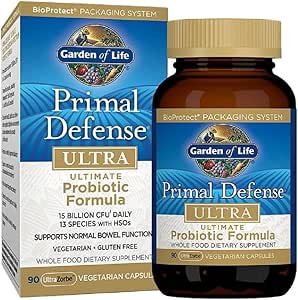
Your skin is a mirror of your internal health. The clearest, most radiant skin is not achieved through serums alone - it starts in your digestive tract. The gut-skin axis is one of the most researched connections in dermatology, yet most skincare advice ignores it entirely.
This guide explains the science and gives you actionable steps.
The Skin Insider
Over years of working with clients who struggled with persistent acne and eczema, the pattern became unmistakable: the ones who cleared their skin permanently were not the ones who found the perfect moisturizer. They were the ones who fixed their digestion. One client with cystic acne for 12 years saw 70% improvement within 8 weeks of adding fermented foods and removing processed sugar - no topical change at all. The gut-skin axis is not a theory. It is the missing piece in most skincare routines.
What Is the Gut-Skin Axis?
The gut-skin axis is the bidirectional communication pathway between your digestive system and your skin. Your gut houses trillions of microorganisms - collectively called the gut microbiome - that influence every aspect of your health, including how your skin looks and feels.
When your gut microbiome is balanced, it supports:
- Proper nutrient absorption - Vitamins A, C, D, E, zinc, and omega-3s are absorbed in the gut and essential for skin health.
- Immune regulation - 70-80% of your immune cells reside in gut-associated lymphoid tissue (GALT). An imbalanced gut leads to immune overreaction visible on the skin.
- Hormone metabolism - The gut microbiome helps process and eliminate excess hormones. Dysbiosis can lead to hormonal acne.
- Inflammation control - Beneficial gut bacteria produce short-chain fatty acids (SCFAs) like butyrate that reduce systemic inflammation.
A 2021 NIH review confirmed that gut microbiome imbalances are linked to acne, atopic dermatitis, psoriasis, and rosacea. The evidence is evolving and does not justify treating probiotics or prebiotic supplements as routine dermatology treatment.
The 7 Gut-Skin Connections
1. Inflammation - The Shared Pathway
Inflammation is the common denominator in most skin conditions. When gut bacteria are imbalanced (dysbiosis), the gut lining can become more permeable - often called "leaky gut." This allows bacterial fragments and undigested food particles to enter the bloodstream, triggering immune activation and systemic inflammation.
This inflammation targets the skin because it is a highly vascular organ. Acne lesions, eczema patches, and rosacea flare-ups are all inflammatory responses driven by internal signals that originate in the gut.
2. Nutrient Absorption - Fueling Skin from Within
Even if you eat a perfect diet, an unhealthy gut cannot absorb nutrients effectively. Key skin nutrients that depend on gut health include:
| Nutrient | Skin Function | Gut Absorption Factor |
|---|---|---|
| Zinc | Wound healing, acne reduction | Requires healthy stomach acid and gut mucosa |
| Vitamin A | Skin cell turnover, collagen production | Depends on fat digestion and bile production |
| Omega-3s (EPA/DHA) | Anti-inflammatory, barrier support | Absorption depends on pancreatic enzymes |
| Vitamin D | Immune modulation, skin barrier integrity | Malabsorption common in IBS and IBD |
| Biotin (B7) | Keratin structure, hair and nail strength | Gut bacteria produce biotin naturally |
3. Immune System Regulation
The gut is the body's largest immune organ. The microbiome trains immune cells to distinguish between threats and harmless substances. When dysbiosis disrupts this training, the immune system can overreact to normal triggers - food particles, environmental allergens, or even the skin's own bacteria.
This immune overreaction manifests as eczema, contact dermatitis, and inflammatory acne. Rebalancing the gut microbiome calms the immune response, reducing skin reactivity at the source.
4. Hormonal Balance
The gut microbiome directly influences estrogen metabolism through the estrobolome - the collection of gut bacteria that process estrogen. When the estrobolome is imbalanced, estrogen levels can rise, contributing to hormonal acne and melasma.
Similarly, gut bacteria influence insulin sensitivity. High blood sugar spikes insulin-like growth factor (IGF-1), which increases sebum production and acne. A healthy gut helps maintain stable blood sugar and balanced hormones. See our guide on hormonal acne solutions.
5. Toxin Elimination
The gut and liver work together to filter toxins from the body. When the gut barrier is compromised, toxins enter the bloodstream instead of being eliminated. The skin acts as a secondary elimination organ - toxins that should leave through stool can instead exit through sweat glands, causing irritation, inflammation, and breakouts.
6. Microbiome Diversity
A diverse gut microbiome is a resilient microbiome. Higher bacterial diversity is associated with lower inflammation and better skin health. Factors that reduce diversity include:
- Antibiotic use - Even a single course can reduce diversity for months.
- Low-fiber diet - Fiber is the primary fuel for beneficial bacteria.
- Artificial sweeteners - Some disrupt beneficial bacterial populations.
- Chronic stress - Stress hormones alter gut bacteria composition.
7. The Gut-Brain-Skin Axis
Stress affects your gut, which affects your skin. The brain-gut-skin axis was first proposed by dermatologists in the 1930s, but modern research has confirmed the mechanism. Stress increases cortisol, which alters gut permeability and microbiome composition. These changes trigger inflammation that shows up on the skin. Managing stress is not a soft recommendation - it is a biological requirement for clear skin.
The Optimizer's Edge
Most "gut health for skin" articles give you a generic list of probiotic foods. Here is what they miss: the single most impactful change is removing foods that damage your gut lining while simultaneously feeding beneficial bacteria. This is not about "eating healthy" - it is about strategic elimination. Refined sugar, industrial seed oils, and artificial sweeteners are the top three gut disruptors. Remove them for 30 days while adding fermented foods and fiber, and track your skin. The results will tell you more than any lab test.
Actionable Strategies: How to Improve Gut Health for Better Skin
Add Fermented Foods Daily
Fermented foods are the most effective dietary intervention for gut health. They introduce live beneficial bacteria directly into your digestive system. Aim for one serving daily:
- Plain yogurt or kefir - Rich in Lactobacillus and Bifidobacterium strains. Choose unsweetened versions.
- Sauerkraut or kimchi - Fermented vegetables with diverse bacterial strains and prebiotic fiber.
- Kombucha - Fermented tea with acetic acid bacteria and yeasts that support gut diversity.
Increase Prebiotic Fiber
Prebiotics are types of fiber that feed beneficial gut bacteria. Without them, probiotics cannot survive and multiply:
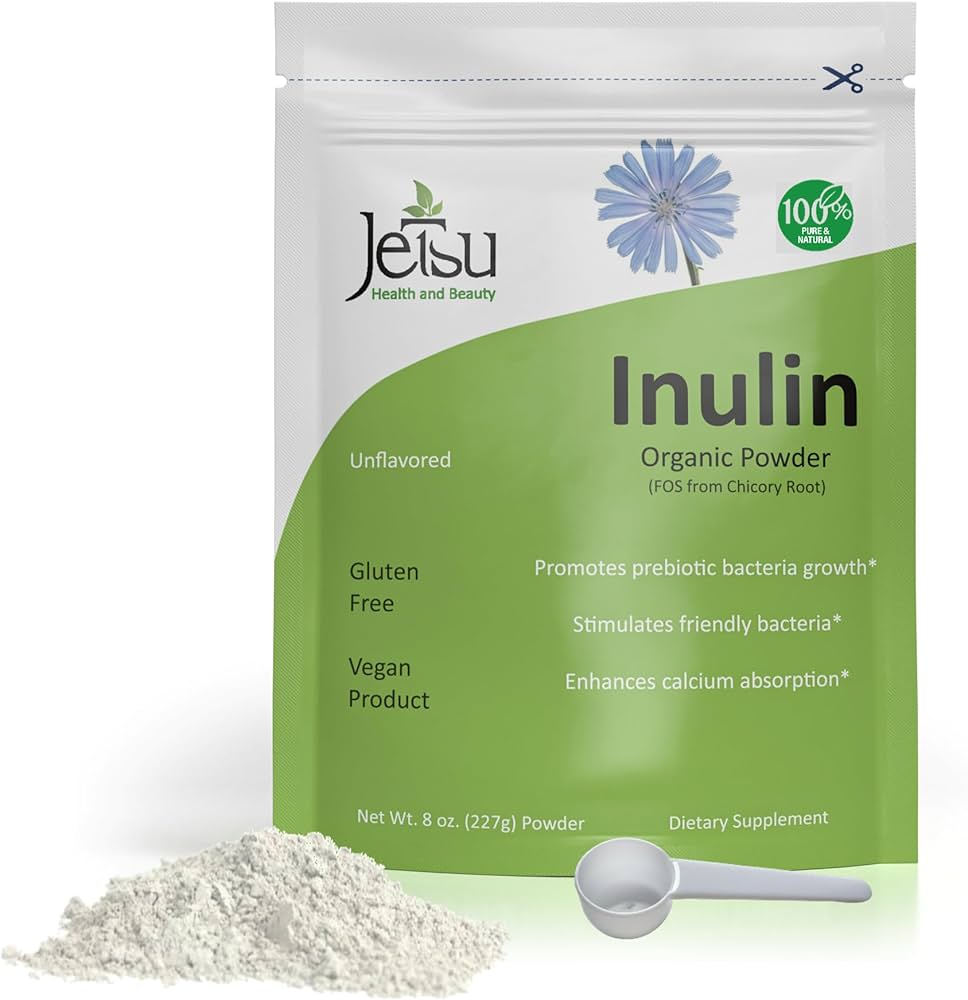
- Inulin - Found in chicory root, garlic, onions, leeks, and asparagus.
- Resistant starch - Found in cooked and cooled potatoes, legumes, and green bananas.
- Beta-glucan - Found in oats and barley.
Remove Gut Disruptors
For at least 30 days, eliminate or drastically reduce:
- Added sugar - Feeds pathogenic bacteria and yeast. The average American consumes 17 teaspoons daily.
- Artificial sweeteners - Saccharin, sucralose, and aspartame alter gut bacteria composition.
- Industrial seed oils - Soybean, corn, canola, and sunflower oil are high in omega-6s that promote inflammation.
- Excess alcohol - Disrupts gut barrier integrity and alters microbiome composition.
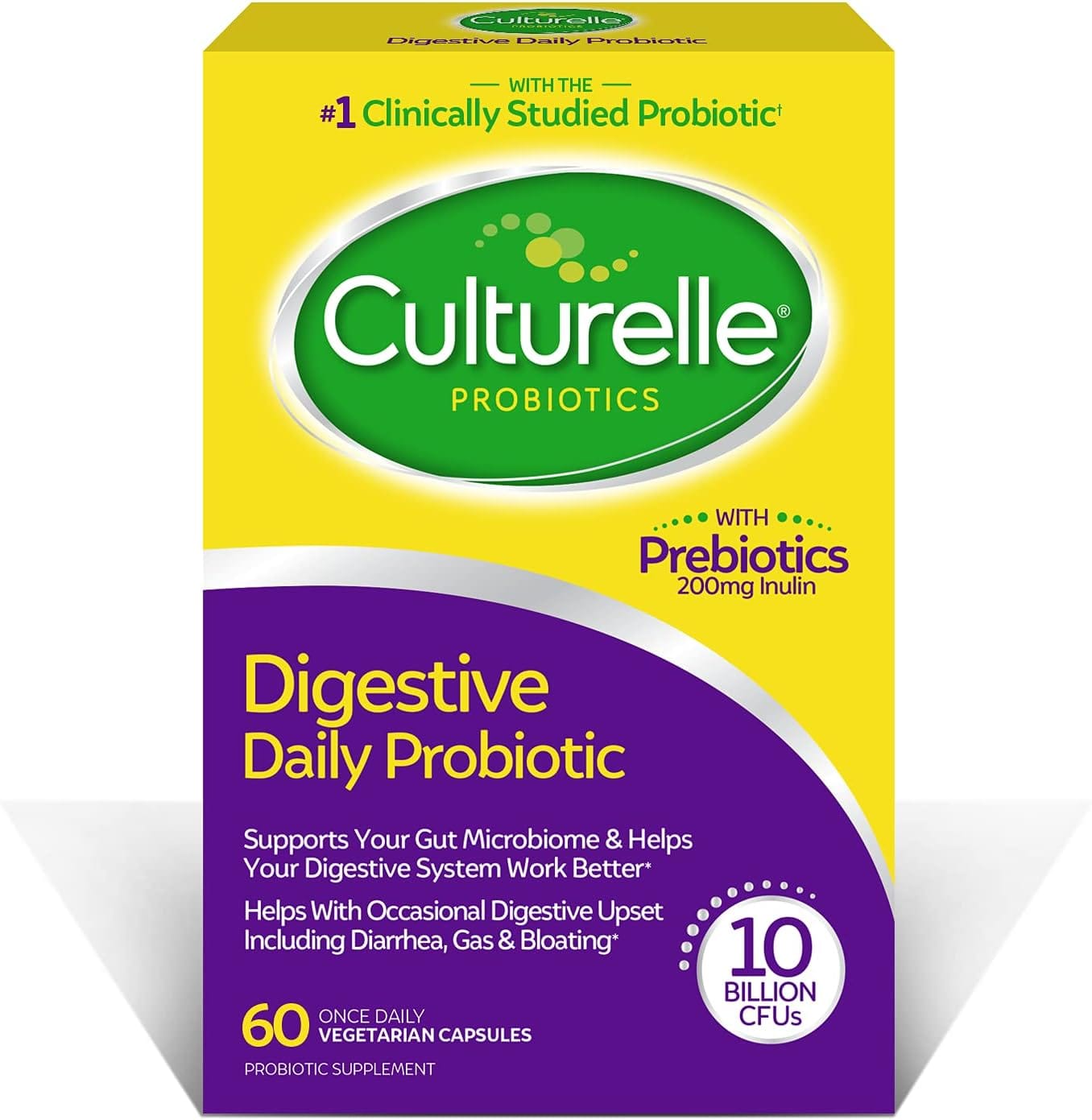
Probiotics for Skin: What the Evidence Says
| Probiotic Strain | Skin Benefit (Clinical Evidence) | Daily Dose |
|---|---|---|
| L. rhamnosus GG | Reduces eczema severity in children, strengthens gut barrier | 10-20B CFU |
| B. lactis | Improves skin barrier function, reduces inflammation | 10-20B CFU |
| L. acidophilus | May reduce acne lesion count, supports digestion | 5-10B CFU |
| S. boulardii | Reduces gut inflammation, protects against pathogenic bacteria | 5-10B CFU |
Medical News Today reviewed multiple studies showing that specific probiotic strains reduce acne and eczema severity when taken consistently for 8-12 weeks.
Your Gut-Skin Health Checklist
- ✓ Add 1 fermented food daily - yogurt, kefir, sauerkraut, or kimchi. Start with small amounts to avoid bloating.
- ✓ Eat 30g fiber daily - oats, legumes, vegetables, fruit. Diversity of plant foods matters more than quantity.
- ✓ Remove added sugar for 30 days - this single change has the most dramatic effect on skin for most people.
- ✓ Sleep 7-9 hours - gut microbiome diversity improves with consistent sleep. Skin repairs itself overnight.
- ✓ Track skin photos weekly - take a photo every 7 days in the same lighting. Visible changes take 4-8 weeks.
The gut-skin axis is not a theory - it is a biological reality that dermatologists are increasingly incorporating into treatment plans. If you have tried topical treatments without lasting results, your gut is the missing piece. Start with one change: remove added sugar for 30 days and add one serving of fermented food daily. Your skin will tell you if you are on the right track.
Frequently Asked Questions About Gut Health and Skin
How long does it take for gut health changes to improve skin?
Can probiotics alone fix my skin?
Which foods are worst for the gut-skin axis?
Do I need to take a probiotic supplement?
Can stress really affect my skin through my gut?
This article is for informational purposes only and does not replace professional medical advice. If you have persistent skin or digestive concerns, consult a healthcare provider.
This article is for informational purposes only and does not replace professional dermatological advice.
How we research and correct content: Editorial Policy.