How to Treat Whiteheads: A Clear, Gentle Plan
A practical whitehead treatment plan using a gentle base, one pore-clearing active and a realistic six-to-eight-week timeline.

In this guide
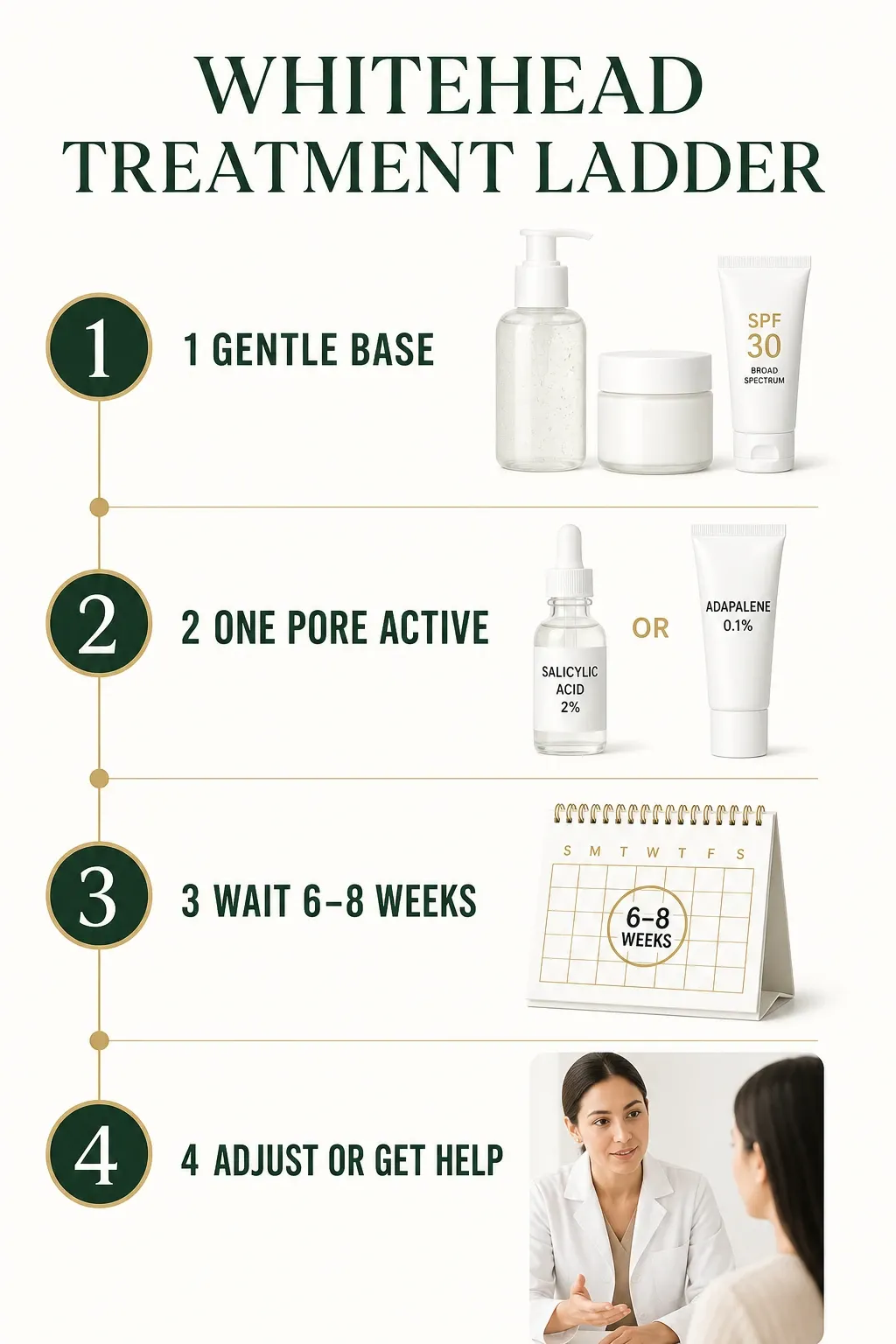
Treat whiteheads as closed comedones, not spots to squeeze. Build a gentle cleanser-moisturizer-SPF base, then choose one pore-clearing active: salicylic acid for exfoliation or adapalene for ongoing prevention. Use it consistently for six to eight weeks, avoid picking and seek a dermatologist for deep pain, scarring, widespread acne or an unclear diagnosis.
Quick Summary
- Confirm the bumps are closed comedones rather than milia or a rash.
- Choose salicylic acid or adapalene first; do not start both together.
- Judge the trend after six to eight consistent weeks, not several days.
- Skip extraction, scrubs, toothpaste, lemon juice and other irritation shortcuts.
Confirm That the Bumps Are Whiteheads
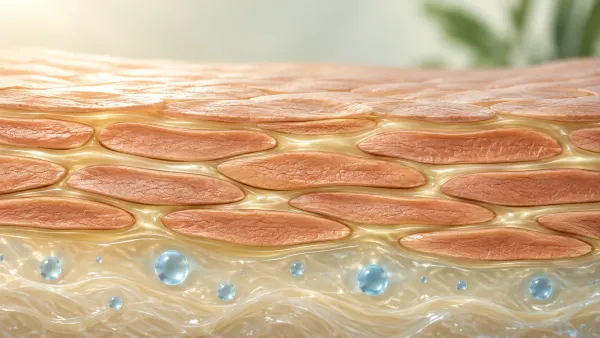
Whiteheads are closed comedones: small white or skin-colored bumps formed when oil and dead skin cells plug a pore and the opening stays closed. They are not the same as pus-filled pimples, milia, folliculitis or a rash. Correct identification keeps the treatment plan focused.
A gritty scrub can inflame clogged pores rather than clear them. Read the method-first exfoliation guide before combining tools, acids and acne treatments.
The American Academy of Dermatology describes a whitehead as a closed comedo and warns that picking can cause more lesions and scars. A cluster of firm pearl-like bumps around the eyes may be milia, while itchy uniform bumps can have another cause. Seek a diagnosis when the pattern does not behave like ordinary acne.
| What you see | Likely category | Best next move |
|---|---|---|
| Small flesh-colored closed bumps | Whiteheads | Use one pore-clearing active consistently |
| Red tender bump with pus | Inflamed pimple | Consider benzoyl peroxide and acne care |
| Hard pearls near eyelids | Possible milia | Do not squeeze; ask a professional |
| Itchy identical bumps | May not be acne | Stop guessing and seek assessment |
| Deep painful lumps or scars | Nodules or cysts | Dermatologist care is appropriate |
Closed comedones can appear on the forehead, chin, cheeks, chest or back. Hair products, occlusive cosmetics, sweat, friction and hormonal patterns may contribute, but a single new product is not always the cause. Change one variable at a time so the response remains readable.
Do not scrub because the bump looks trapped. The dark material in a blackhead is oxidized, not dirt, and a whitehead is not a contaminant that needs to be scraped out. Repeated abrasion can create inflammation and post-acne marks.
Choose One Pore-Clearing Active First
Salicylic acid: the simpler first experiment
Salicylic acid is oil-soluble and helps exfoliate inside clogged pores. The AAD says it works best on whiteheads and blackheads. A cleanser can be gentler but has short contact time; a leave-on product gives longer exposure and may irritate more.
Start two or three nights weekly if the formula is new. Do not add a scrub, peel pad and second acid toner in the same week. More exfoliation can make the surface raw while the underlying clogging pattern remains.
Adapalene: prevention across the acne-prone area
Adapalene is a topical retinoid available without prescription in the United States. The AAD notes that topical retinoids help clear pores and treat blackheads, whiteheads and some pimples. It is applied consistently across the acne-prone area rather than dabbed only on one bump.
Retinoids commonly cause dryness and irritation at the start. Use a pea-size amount for the whole face, avoid eye and lip corners, moisturize and follow the current product directions. Do not use adapalene during pregnancy or while trying to conceive without qualified medical guidance.
Benzoyl peroxide: useful when inflammation joins the picture
Benzoyl peroxide reduces acne-related bacteria and is more relevant when red inflamed pimples occur alongside whiteheads. It is not automatically the best solo treatment for a face dominated by closed comedones. Low strength and short contact can improve tolerance.
It can dry the skin and bleach towels, pillowcases and clothing. If your main issue is pore congestion without inflamed lesions, choose salicylic acid or adapalene first instead of stacking all three. Our acne cleanser guide compares active washes with gentle base cleansers.
A Six-to-Eight-Week Whitehead Treatment Plan
Weeks 1-2: stabilize and introduce
Keep cleanser, moisturizer and sunscreen unchanged. Use the chosen active at a low frequency according to its label. Record the start date and exact nights so you can distinguish a planned schedule from random use.
If moisturizer already stings, delay the active. The slow skincare guide provides a controlled reset, and the barrier-damage guide explains when widespread burning is not a normal acne-treatment milestone.
Weeks 3-4: hold the routine steady
Increase frequency only if basic products remain comfortable. Mild dryness can be managed by holding the schedule and using moisturizer. Raw shine, painful peeling, swelling or persistent burning means pause the active and simplify.
Do not add another treatment because the bumps remain after ten days. The AAD advises giving an acne product six to eight weeks to work. Early switching creates several irritants without a fair test of any one plan.
Weeks 5-8: judge the trend, not one morning
Look for fewer new closed bumps, smoother congestion in the same lighting and less urge to extract. Existing comedones may clear at different speeds. Take one weekly photograph rather than inspecting several times daily.
If there is no improvement, confirm the diagnosis and adherence before adding strength. A dermatologist can perform comedone extraction safely and prescribe other treatments when OTC care is not enough. Deep pain, scarring or widespread acne deserves earlier help.
Two Direct Product Routes for Whiteheads
Choose one route. Paula's Choice is a leave-on 2% salicylic acid for congestion and blackheads, while Differin is an OTC adapalene gel for ongoing prevention across the affected area. Starting both together makes irritation and results harder to interpret.
The easier schedule is often the better first choice. Select the product whose texture, frequency and warning profile you can follow for two months. Consistency with one tolerable active gives a clearer answer than alternating several strong products whenever a new bump appears.
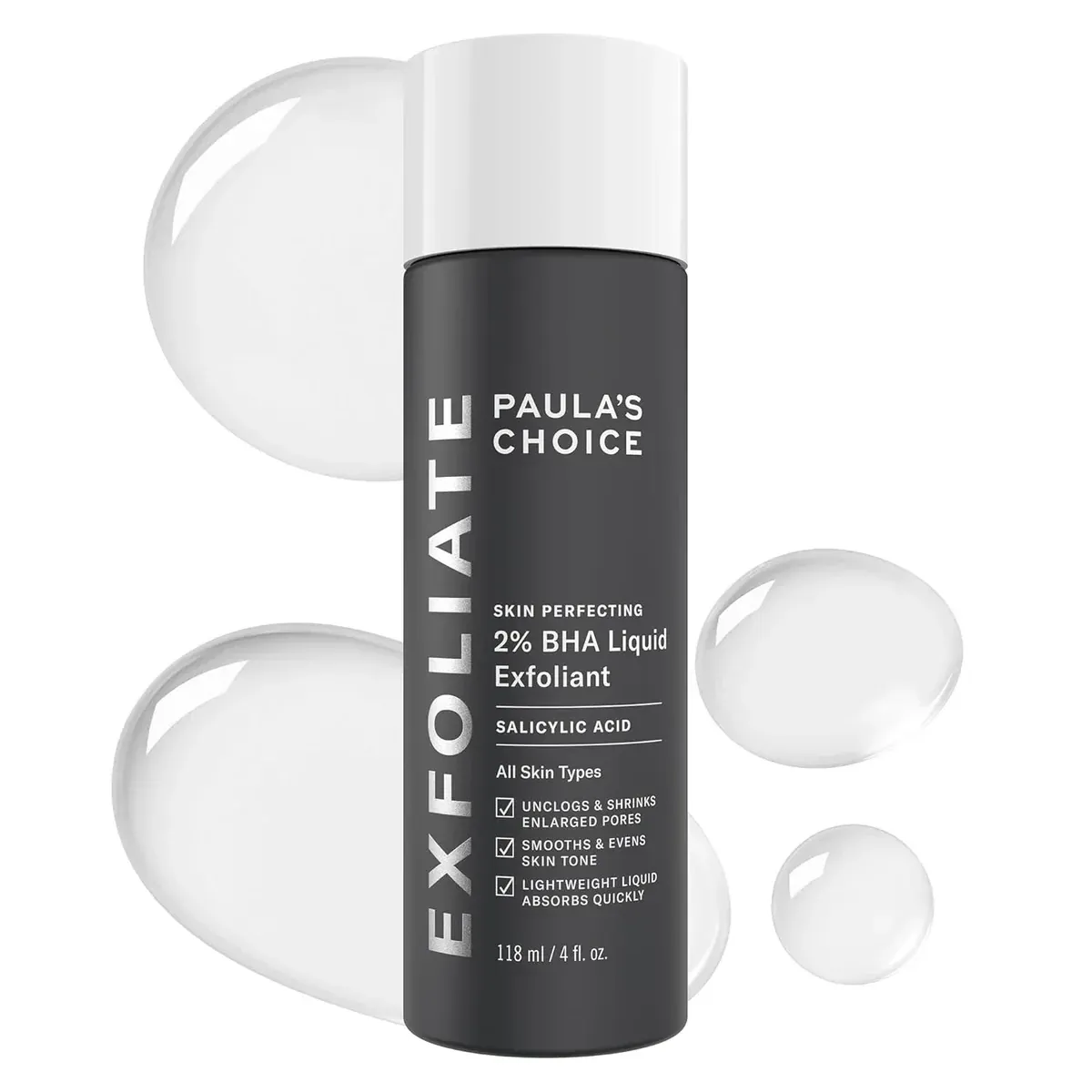
Paula's Choice Skin Perfecting 2% BHA Liquid Exfoliant
Blackheads, whiteheads and oily congestion when the reader wants a leave-on exfoliant rather than a retinoid.
The formula uses 2% salicylic acid and has a clear pore-focused role without combining several acne actives in one step.
Watch-out: Daily use can be too much at the start. Do not combine immediately with another leave-on acid, scrub or retinoid.
View on AmazonAs an Amazon Associate, SkinOptimizer may earn from qualifying purchases. Prices, sellers and availability can change.
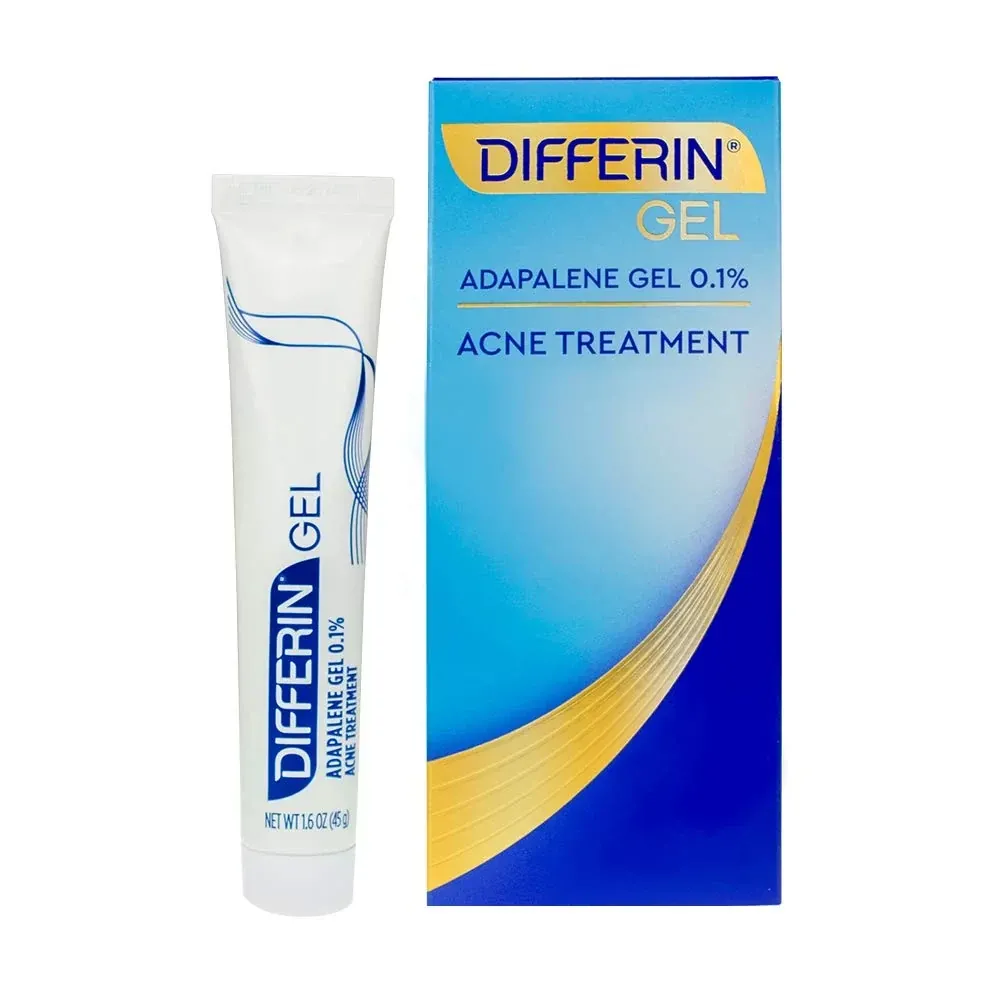
Differin Gel 0.1% Adapalene
Persistent comedonal acne when the reader wants an OTC retinoid used across the acne-prone area.
Adapalene helps normalize pore cell turnover and can prevent new whiteheads when used consistently as directed.
Watch-out: Dryness and irritation are common during introduction. Avoid during pregnancy and ask a professional when medical context is uncertain.
View on AmazonAs an Amazon Associate, SkinOptimizer may earn from qualifying purchases. Prices, sellers and availability can change.
Current product roles were checked against the Paula's Choice official page and the Differin official page. Verify the current package directions and Amazon seller before use because formulas, sizes and listings can change.
Cleanser, Moisturizer and Sunscreen Still Decide Tolerance
A harsh cleanser can make an effective active impossible to use. Wash no more than twice daily and after heavy sweating, use lukewarm water and avoid cleansing brushes on active breakouts. The skin should not feel squeaky or painfully tight after rinsing.
Moisturizer does not “feed” whiteheads by default. A light, comfortable formula can reduce treatment dryness and improve adherence. Read the non-comedogenic product guide for moisturizer choices within an acne-prone routine.
Use broad-spectrum SPF 30 or higher every morning. Irritation and inflammation can make post-acne marks more noticeable, especially in deeper skin tones. Our acne-prone sunscreen guide compares wearable options without treating matte finish as the only quality signal.
What Not to Put on Whiteheads
Hydrocolloid patches can protect a picked or draining pimple, but they do little for an intact closed comedo because there is no fluid to absorb. A patch may reduce touching, yet it should not replace a pore-focused routine.
Professional comedone extraction is different from squeezing at home. A dermatologist or trained clinician can select the right lesion and use sterile technique. The goal is not to empty every visible pore manually; it is to prevent the pattern from returning.
When Hair and Makeup Products Contribute
Whiteheads along the hairline, forehead or temples can be associated with pomades, oils and leave-in products. The AAD notes that hair products may trigger acne and recommends looking for oil-free or non-comedogenic options. Keep residue off the face and wash pillowcases, hats and headbands regularly.
Makeup does not need to be banned. Remove it gently before bed and choose products labeled oil-free, non-comedogenic or “won't clog pores.” Change one suspect product at a time and allow several weeks to judge the pattern.
The makeup remover guide compares gentle formats for sunscreen and long-wear makeup. Aggressive double cleansing can worsen dryness, so use the least complex method that removes the film fully.
How to Adjust Without Starting Over
| Problem | Likely issue | Adjustment |
|---|---|---|
| Mild flaking | Frequency too fast | Hold or reduce active nights |
| Burning with moisturizer | Barrier is irritated | Pause active and simplify |
| No change at 2 weeks | Trial is too short | Continue to 6-8 weeks if tolerated |
| No change at 8 weeks | Fit, diagnosis or adherence | Review plan or see a dermatologist |
| Deep pain or scarring | More severe acne | Seek professional treatment |
Switch the vehicle before automatically increasing strength. A leave-on liquid may feel too drying, while a cleanser gives shorter contact. A gel retinoid can be buffered with moisturizer, but applying a thick layer does not speed improvement.
When acne is mixed, treatment may require more than one mechanism. Add the second active only after the first step is stable and useful. The spot treatment guide explains why red inflamed pimples and closed comedones need different jobs.
Match the Plan to Where Whiteheads Appear
Forehead and hairline
Review leave-in conditioner, edge control, dry shampoo, pomade and hat contact before increasing acne strength. Keep hair products off facial skin and cleanse the hairline gently after sweating. Improvement after removing a trigger can take several weeks because existing microcomedones still need time to surface.
Chin and jaw
Recurring chin and jaw bumps may have a hormonal pattern, especially when they follow a cycle or occur with deeper tender lesions. Topical care can still help comedones, but repeated painful breakouts may need a clinician's broader assessment. Do not keep escalating scrubs when the pattern is not purely surface congestion.
Cheeks and mask-contact areas
Friction, occlusive makeup, dirty phone screens and frequent touching can contribute to cheek congestion. Clean objects that repeatedly contact the face and use a breathable, well-fitting mask when required. Avoid treating friction with a stronger acid every night because irritation can add redness and marks.
Teenage skin
A teen routine should remain simple enough to follow before school and at night. Cleanser, moisturizer, sunscreen and one acne active usually make a better starting plan than a shelf of trend products. The sensitive teenage skincare guide explains how to introduce treatment without turning dryness into the main concern.
Location offers clues, not a diagnosis. The same person can have product-related hairline acne, hormonal jawline lesions and ordinary comedones at once. Use the pattern to remove obvious triggers, then judge the selected active over the same six-to-eight-week window.
The Bottom Line
Treat whiteheads with a calm base routine and one pore-clearing active. Salicylic acid is a practical exfoliant route; adapalene is a prevention-focused retinoid route. Give the chosen plan six to eight weeks, avoid picking and seek a dermatologist when acne is painful, scarring, widespread or not improving.
Frequently Asked Questions
What is the fastest way to get rid of whiteheads?
There is no reliable overnight cure. Use one evidence-based pore active consistently, avoid picking and give the plan six to eight weeks. A dermatologist can perform appropriate extraction for stubborn comedones.
Is salicylic acid or adapalene better for whiteheads?
Salicylic acid is a practical exfoliant route for oily congestion. Adapalene is a retinoid route for preventing new comedones across an acne-prone area. Choose one first according to tolerance and routine goal.
Should I squeeze a whitehead?
No. Picking can push inflammation deeper, cause infection and increase the risk of scars or dark marks. Treat the acne pattern or seek professional extraction instead.
Can whiteheads purge when I start treatment?
Adapalene can bring existing microcomedones forward in acne-prone areas, but persistent burning, itching, swelling or breakouts in unusual places should not be dismissed as purging.
When should I see a dermatologist for whiteheads?
Seek help when acne is deep, painful, scarring, widespread, not improving after a consistent OTC trial, or difficult to distinguish from milia, folliculitis or another condition.