Green Tea for Skin: EGCG Benefits and Evidence-Based Guide | SkinOptimizer
Evidence-based guide to green tea in skincare. Learn EGCG concentrations that work, stability issues, clinical benefits for acne and aging, and how to choose effective products.
In this guide
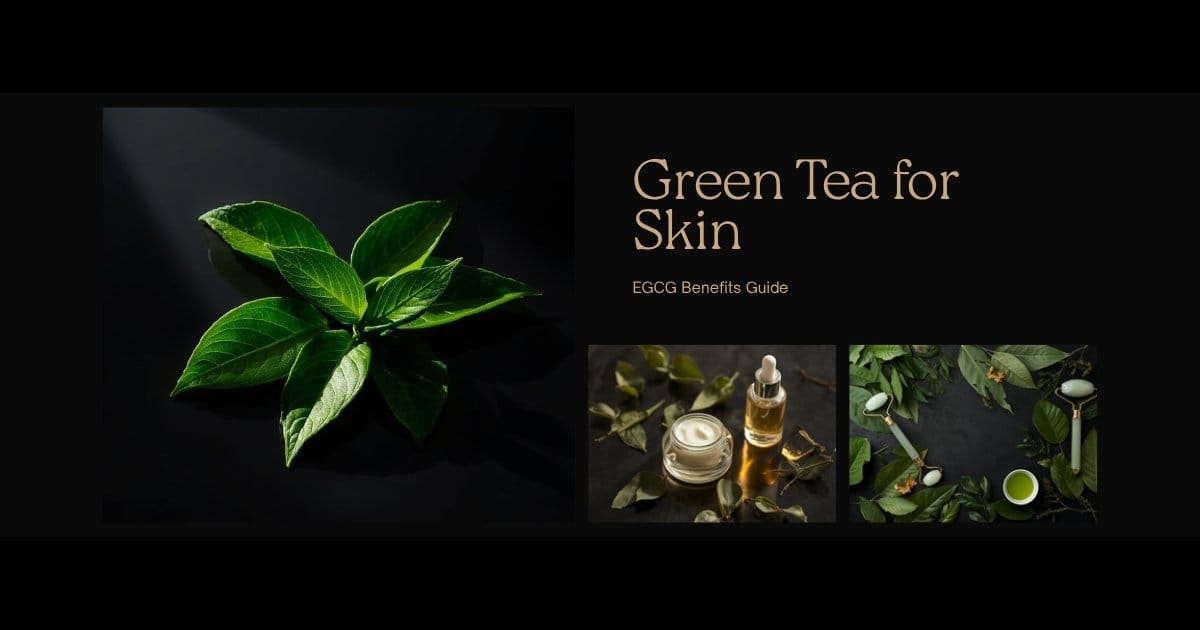
The 5 Facts About Green Tea for Skin at a Glance
- ❌ EGCG is the active compound - not green tea itself. Most "green tea" skincare products contain negligible EGCG. Look for standardized green tea extract with minimum 50% polyphenols.
- Topical beats oral for skin - Drinking green tea provides antioxidants internally, but topical application delivers EGCG directly to skin cells at much higher concentrations.
- ❌ EGCG is unstable - Green tea extract oxidizes rapidly in water-based formulas. Effective products use encapsulation technology or oil-based delivery systems to keep EGCG active.
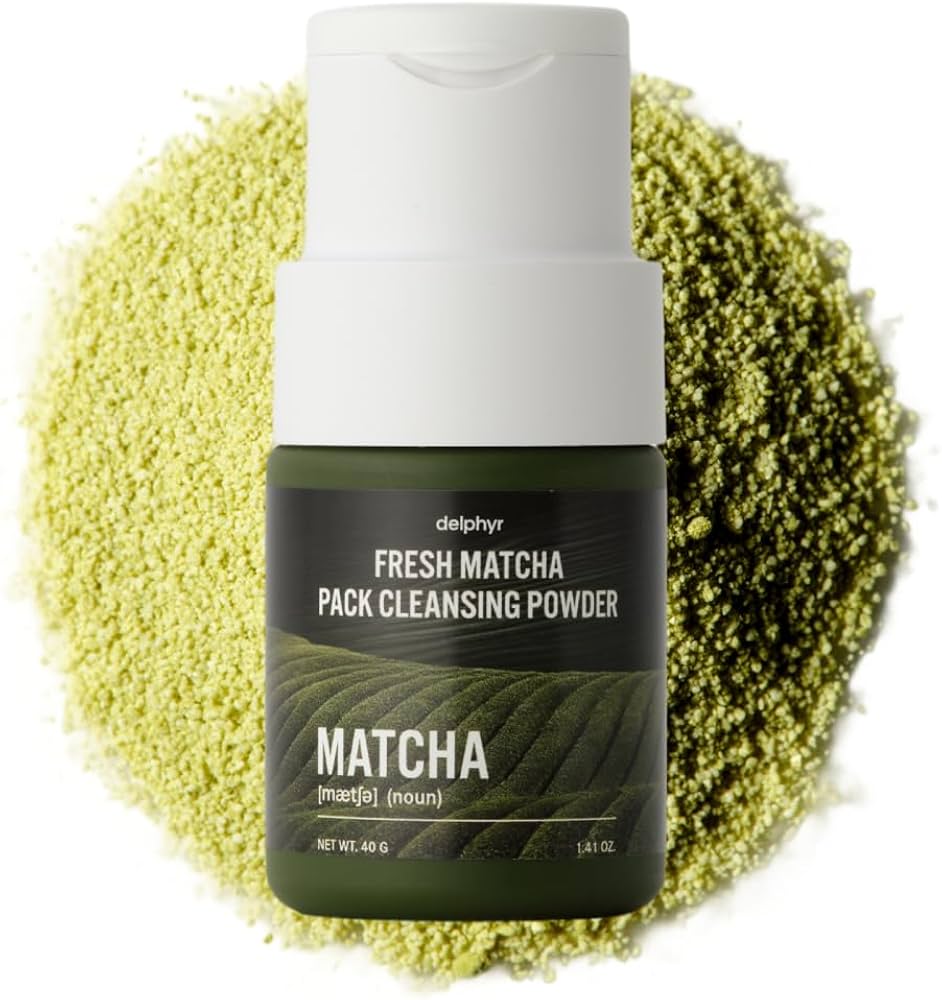
- ❌ Not all green tea is equal - Matcha contains 3x more EGCG than regular brewed green tea. Fermented teas (black, oolong) lose most of their EGCG content.
- → Use 1-10% green tea extract products - Clinical studies show benefits at 1% concentration for antioxidant protection and at 5-10% for anti-inflammatory effects. Higher is not always better - irritation risk increases above 10%.
Green tea is one of the most researched botanical ingredients in dermatology. The active compound EGCG (epigallocatechin gallate) has been shown in multiple clinical studies to protect against UV damage, reduce inflammation, and improve skin elasticity. But most green tea skincare products on the market contain ineffective concentrations.
This guide separates the evidence from the marketing.
The Skin Insider
After reviewing dozens of green tea skincare products and their clinical studies, the pattern is clear: the products that actually work use standardized green tea extract with a guaranteed polyphenol content, delivered in an airless, opaque pump to prevent oxidation. A green tea toner in a clear glass bottle that has been sitting on a shelf for 6 months contains almost zero active EGCG. The formulation and packaging matter as much as the ingredient itself.
What Makes Green Tea Effective for Skin: EGCG Science
Green tea contains polyphenolic compounds called catechins, with EGCG being the most abundant and biologically active. EGCG works through three primary mechanisms:
- Antioxidant activity: EGCG is a potent electron donor that neutralizes reactive oxygen species (ROS). It is approximately 25 times more potent than vitamin E at neutralizing free radicals. A 2016 PMC review confirmed EGCG activates Nrf2 pathways, which stimulate the skin's own antioxidant defense system.
- Anti-inflammatory effects: EGCG inhibits NF-kB signaling, reducing the production of pro-inflammatory cytokines. This makes it effective for inflammatory skin conditions like acne and rosacea.
- Photoprotection: Topical EGCG has been shown to reduce UV-induced DNA damage and prevent collagen breakdown. It is not a replacement for sunscreen, but it provides complementary protection.
Effective Concentrations: What the Studies Show
| Concentration | Primary Benefit | Evidence Level |
|---|---|---|
| 0.5-1% | Antioxidant protection, mild photoprotection | Multiple clinical studies |
| 2-5% | Anti-inflammatory, acne reduction | Controlled trials |
| 5-10% | Reduced sebum production, improved elasticity | Randomized controlled trials |
| 10%+ | Higher anti-inflammatory effect | Limited; increased irritation risk |
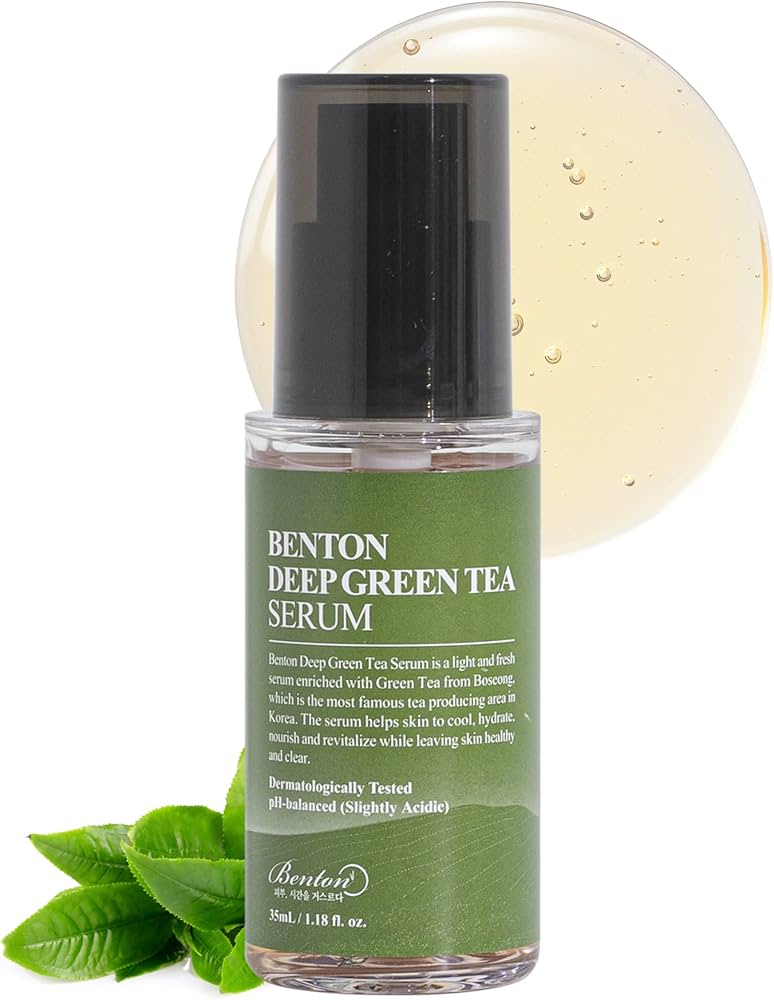
The key takeaway: look for products that specify the green tea extract concentration. A product that lists "green tea extract" without a percentage is unlikely to contain enough EGCG to be effective.
Green Tea vs Other Antioxidants in Skincare
| Antioxidant | Strengths | Limitations |
|---|---|---|
| Green Tea (EGCG) | Anti-inflammatory, photoprotective, oil-reducing | Unstable in water, oxidizes quickly |
| Vitamin C (L-Ascorbic) | Collagen synthesis, brightening, photoprotection | Low pH, unstable, can irritate |
| Vitamin E (Tocopherol) | Stable, moisturizing, synergistic with vitamin C | Less potent antioxidant on its own |
| Resveratrol | Activates Nrf2, anti-aging | Low bioavailability, expensive |
Green tea is unique among antioxidants because it combines strong anti-inflammatory effects with oil-regulating properties, making it particularly effective for acne-prone and oily skin types. For anti-aging purposes, combining green tea with vitamin C provides broader protection.
Topical vs Oral Green Tea for Skin
Drinking green tea provides systemic antioxidants and supports overall health, but the concentration of EGCG reaching the skin through oral consumption is limited. A PubMed study found that topical application of EGCG resulted in significantly higher skin concentrations than oral consumption.
For maximum benefit: drink 2-3 cups of green tea daily for internal antioxidant support AND use a topical product with 1-5% standardized green tea extract.
Stability: The Problem with Green Tea in Skincare
EGCG oxidizes rapidly when exposed to air, light, and water. A green tea product in a clear glass bottle is likely inactive within weeks of opening. Look for these packaging features:
- Opaque or dark packaging - Blocks light that degrades EGCG.
- Airless pump - Prevents oxygen exposure.
- Added stabilizers - Vitamin E, ferulic acid, or EDTA can help stabilize EGCG.
- Oil-based base - EGCG is more stable in oil-based delivery systems than water-based ones.
The Optimizer's Edge
Most articles tell you green tea is good for your skin. They stop there. Here is what they miss: the difference between effective and useless green tea products comes down to two factors - concentration and packaging. A product with 0.1% green tea extract in a clear dropper bottle does nothing. A product with 3% standardized EGCG in an airless, opaque pump can measurably reduce sebum production within 4 weeks. Check the concentration. Check the packaging. Ignore everything else on the label.
Green Tea for Specific Skin Concerns
Acne-Prone and Oily Skin
EGCG reduces sebum production by down-regulating the AMPK/SREBP-1 pathway. Multiple studies show 3-5% green tea extract reduces acne lesions within 4-8 weeks. The anti-inflammatory effect also reduces post-acne redness.
Aging and Wrinkles
Topical EGCG prevents UV-induced collagen breakdown and stimulates collagen synthesis. A 12-week study with 5% green tea extract showed significant improvement in skin elasticity and microrelief.
Redness and Rosacea
The anti-inflammatory effects of EGCG are well-documented. Products with 1-3% green tea extract can reduce facial redness and calm reactive skin.
Your Green Tea Skincare Checklist
- ✓ Check the concentration - Look for at least 1% green tea extract with standardized polyphenol content. Avoid products that don't list the percentage.
- ✓ Check the packaging - Opaque, airless pump only. Avoid clear glass dropper bottles for green tea products.
- ✓ Layer correctly - Apply green tea serum after cleansing but before moisturizer. If using vitamin C, apply vitamin C first, wait 5 minutes, then green tea.
- ✓ Use within 6 months of opening - EGCG degrades over time. Write the opening date on the bottle.
- ✓ Matcha masks work - A simple matcha + water mask applied for 15 minutes delivers a measurable dose of EGCG to the skin. Use ceremonial grade matcha for highest catechin content.
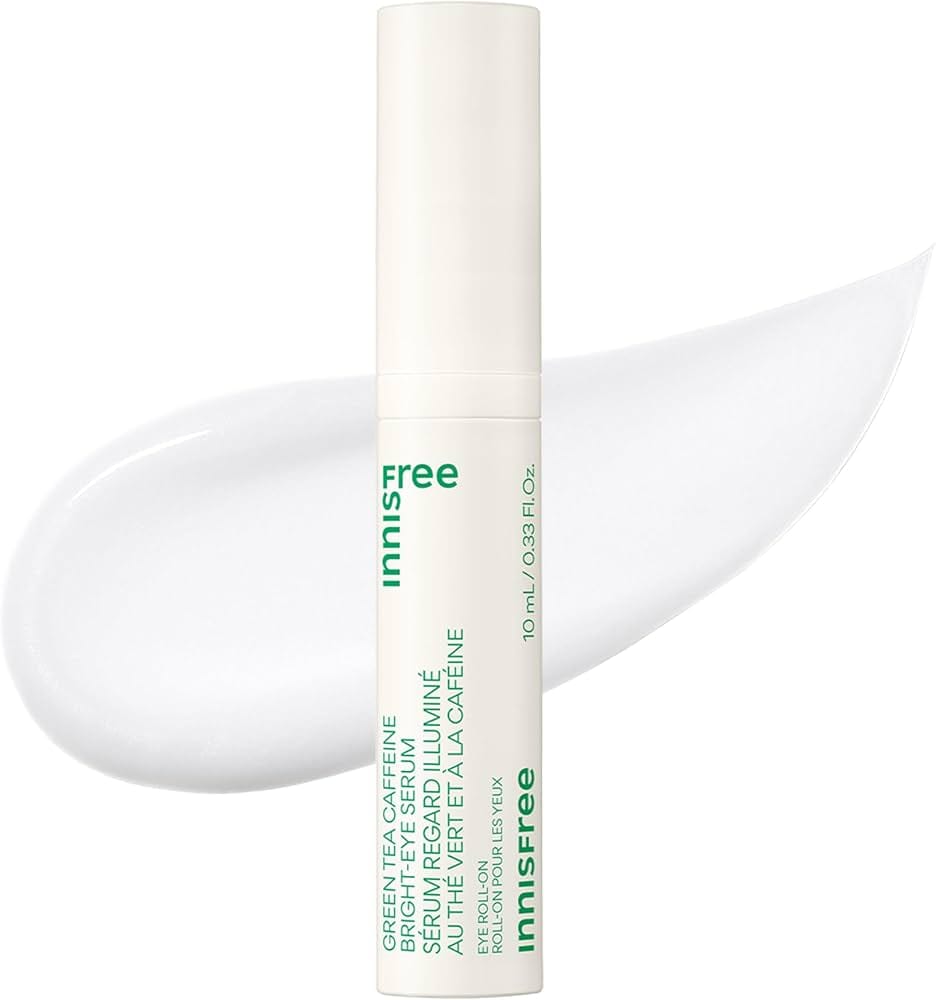
Green tea is one of the few botanical ingredients with genuine clinical evidence for skin benefits - but only when formulated correctly. The difference between a product that works and one that is just marketing is the concentration of EGCG and the packaging that keeps it stable. Choose wisely, and your skin will show the difference.
Frequently Asked Questions About Green Tea for Skin
Does drinking green tea improve skin as much as topical application?
What concentration of green tea extract is effective in skincare?
Can I use green tea directly from the tea bag on my skin?
Is matcha better than regular green tea for skin?
Can green tea replace my vitamin C serum?
This article is for informational purposes only and does not replace professional dermatological advice. If you have persistent skin concerns, consult a board-certified dermatologist.