SPF Makeup: Does It Work? How to Get Real Sun Protection | SkinOptimizer
Does SPF makeup provide enough sun protection? Learn the clinical evidence, why foundation SPF falls short, and how to properly layer sunscreen under makeup.
In this guide
If you use a foundation or tinted moisturizer with SPF, you have probably wondered whether it provides enough sun protection on its own. The short answer is: usually not. Here is what the research says about SPF makeup and whether it really works.
- ❌ Makeup SPF alone is not enough — You need ¼ teaspoon of product for your face. Most people apply far less foundation than that.
- ❌ SPF in makeup is rarely reapplied — Sunscreen needs reapplication every 2 hours. Makeup is typically applied once in the morning.
- ✅ Layering sunscreen under makeup works — A 2021 study confirmed that sunscreen + makeup provides better protection than either alone.
- ✅ SPF powder or mist for reapplication — SPF setting sprays and powders allow reapplication without disturbing your makeup.
The Skin Insider
The most common misconception I encounter is that using a foundation with SPF 30 provides the same protection as applying SPF 30 sunscreen. This is not true. The SPF rating is based on applying 2 mg of product per square centimeter of skin. For your face alone, that is about ¼ teaspoon. Most people use less than half that amount of foundation. The result is that your SPF 30 foundation may be delivering closer to SPF 7 in practice.
Why Makeup SPF Alone Is Not Enough
The problem is not the SPF rating printed on the bottle — it is how much product people actually apply. Sunscreen is tested at a standardized application density of 2 mg/cm². To achieve this on your face, you need approximately ¼ teaspoon (1.25 ml) of product. A 2020 study in the Journal of the American Academy of Dermatology found that most people apply only 0.5 to 1 mg/cm² of foundation, which means an SPF 30 foundation delivers only about SPF 5 to 7 in real-world use.
There is a second issue: coverage. Foundation is designed to even out skin tone, not to cover every surface evenly. Most people apply foundation more heavily in the center of the face and blend out toward the edges, leaving the jawline, temples, and ears under-protected. Sunscreen, by contrast, is designed to be spread uniformly across all sun-exposed areas.
The third issue is reapplication. Sunscreen should be reapplied every 2 hours of sun exposure. Foundation is typically applied once in the morning and touched up sparingly throughout the day. Even if you somehow applied enough foundation initially, the protection would degrade over time just like regular sunscreen.
- ¼ teaspoon needed — Most people apply far less foundation than this amount.
- Uneven coverage — Foundation is applied more heavily in the center of the face, leaving edges exposed.
- No reapplication — Makeup is worn for hours without the 2-hour reapplication that sunscreen requires.
Does Layering Sunscreen Under Makeup Help?
Yes. A 2021 study published in PubMed confirmed that layering sunscreen with facial makeup enhances overall sun protection. The study found that applying sunscreen first, then makeup on top, provides significantly better protection than either product alone. The makeup layer adds additional UV absorption on top of the sunscreen layer, compensating for any gaps or thin areas in the sunscreen application.
The correct order is: apply sunscreen to clean skin (¼ teaspoon for face), wait 2-3 minutes for it to dry, then apply foundation or makeup as usual. This layering approach is the most effective way to combine sun protection with cosmetic coverage.
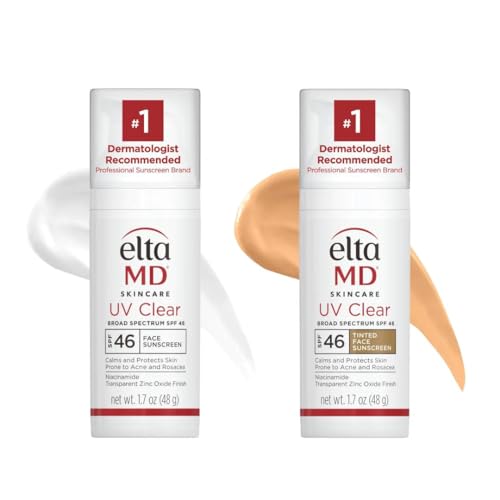
How to Choose the Right Sunscreen for Under Makeup
Not all sunscreens work well under makeup. Some pill, some leave a greasy finish that makes makeup slide off, and some leave a white cast that changes the color of your foundation. Here are the key characteristics of a good under-makeup sunscreen:
- Lightweight texture — Gel-based or serum-textured sunscreens layer better under makeup than thick cream formulas.
- Matte or natural finish — Sunscreens with a dewy finish can make makeup look greasy by midday.
- Fast absorption — A sunscreen that takes 10+ minutes to dry will cause makeup to slide during application.
- Non-comedogenic — Essential for anyone prone to breakouts from layered products.
For more on choosing the right sunscreen, see our chemical vs mineral sunscreen guide and sunscreens for acne-prone skin.
How to Reapply SPF Over Makeup
This is the biggest practical challenge. You cannot reapply liquid sunscreen on top of your makeup without disturbing it. The solution is to use SPF products specifically designed for reapplication over makeup.
| Method | Pros | Cons |
|---|---|---|
| SPF Setting Spray | Easy to apply over makeup, refreshing | Hard to know if you applied enough |
| SPF Powder | Mattifies shine, easy to carry | Usually SPF 30 or lower, uneven coverage |
| Cushion Compact | Liquid SPF in compact form, easy reapplication | Limited shade range, can look cakey if reapplied |
The most practical approach is to start the day with a full layer of SPF 50 sunscreen under your makeup (¼ teaspoon for face), then use an SPF setting spray or powder for mid-day reapplication if you are spending time outdoors. For more on sunscreen application, see our SPF 30 vs higher guide.

When to Use Tinted Sunscreen Instead
If you want the simplest possible routine, a tinted sunscreen or BB cream with SPF can replace both your sunscreen and foundation in one step. However, the same application amount rule applies — you still need to apply enough to achieve the labeled SPF. For most people, this means more product than they would typically use as foundation.
Tinted sunscreens with iron oxides provide an additional benefit for people with hyperpigmentation or melasma, as iron oxides block visible light that triggers pigmentation. For a complete guide, see our best sunscreens for dark skin.
The Optimizer's Edge
The SPF in makeup is not useless — it provides real additional protection when layered over a proper sunscreen base. Think of it as a bonus layer, not a replacement. The optimal strategy is to start with a measured amount of broad-spectrum SPF 50 sunscreen, let it dry, then apply foundation or tinted moisturizer on top. This gives you the verified protection of the sunscreen layer plus the additional UV absorption of the makeup layer. For mid-day protection, keep an SPF setting spray in your bag. This layered approach, confirmed by the 2021 study on sunscreen and makeup layering, is the only evidence-backed way to combine sun protection with cosmetics.
Your Clear Skin Checklist
- Step 1: Apply ¼ teaspoon of SPF 50 sunscreen every morning, even if your foundation has SPF.
- Step 2: Apply foundation or makeup on top as usual. The SPF in makeup becomes a bonus layer.
- Step 3: For extended sun exposure, use an SPF setting spray or powder for reapplication over makeup.
Frequently Asked Questions About SPF Makeup
Is the SPF in foundation enough protection?
Can I mix sunscreen with my foundation?
How do I reapply sunscreen over makeup?
Does makeup with SPF 50 provide the same protection as sunscreen SPF 50?
Should I use tinted sunscreen instead of foundation with SPF?
This article is for informational purposes only and does not replace professional dermatological advice. Daily broad-spectrum SPF 30+ is recommended for all skin types by the American Academy of Dermatology.