Teenage Blackhead Treatments: A Safe 8-Week Plan
A safer eight-week teen blackhead plan: identify the bumps, choose one active and build tolerance slowly.

In this guide
Quick Answer
For teenage blackheads, establish a gentle cleanser-moisturizer-SPF base, then choose either salicylic acid or adapalene when appropriate. Avoid squeezing and aggressive pore strips, and compare the same areas after six to eight weeks.
Quick Summary
- Confirm blackheads rather than normal sebaceous filaments.
- Choose one pore-active at the start.
- Moisturizer and SPF keep treatment more tolerable.
- Deep inflamed or scarring acne needs a different pathway.
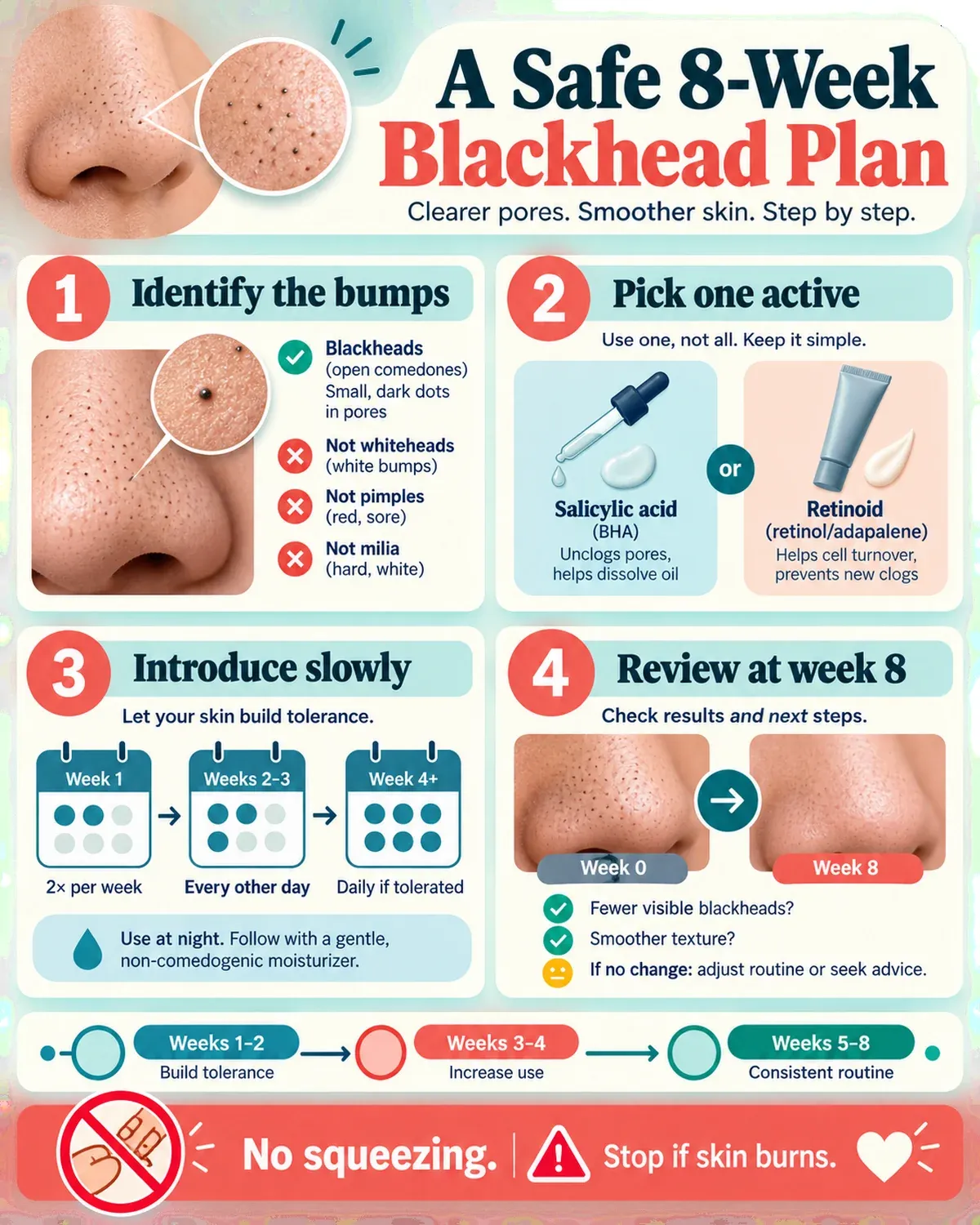
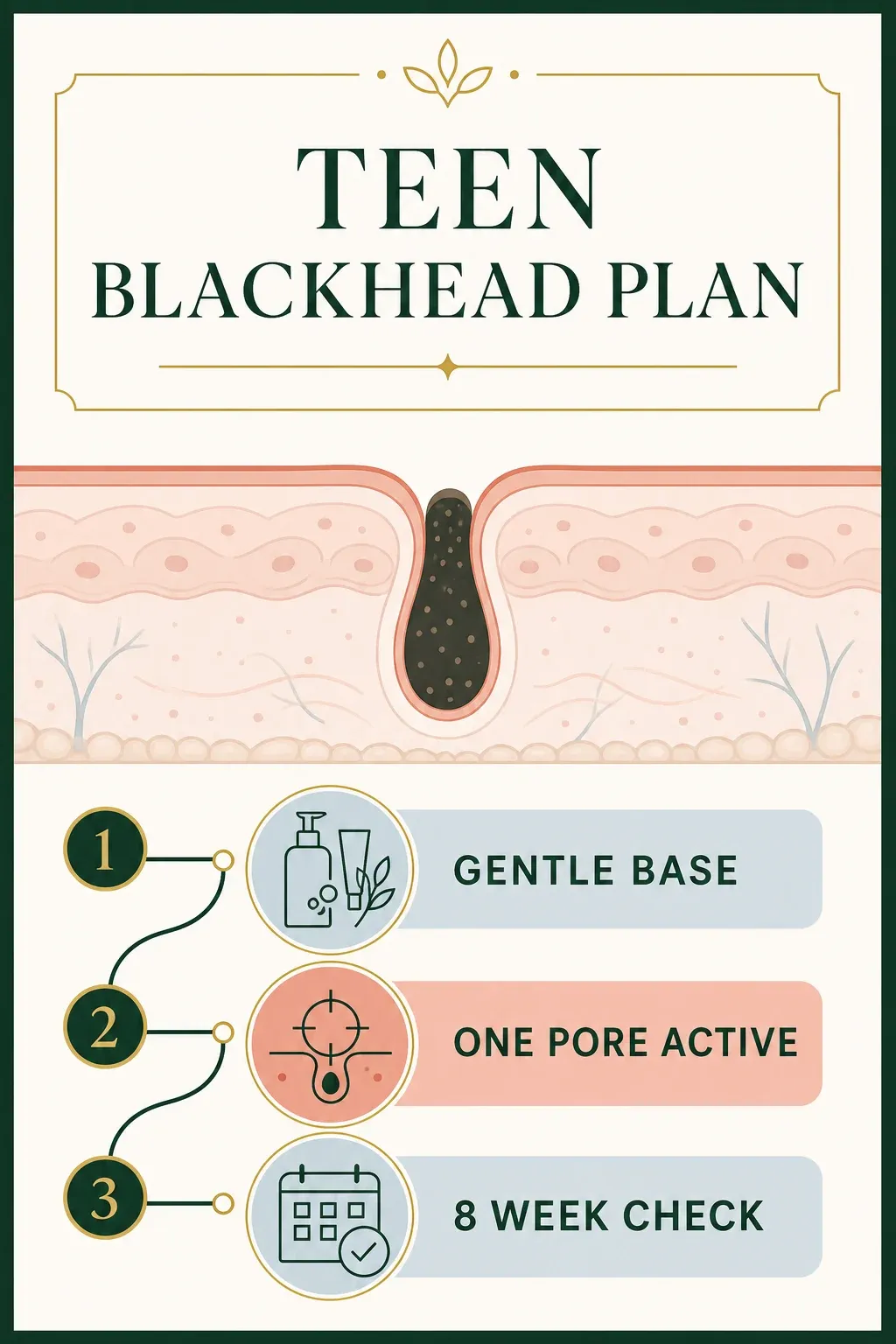
First, confirm that the dots behave like blackheads
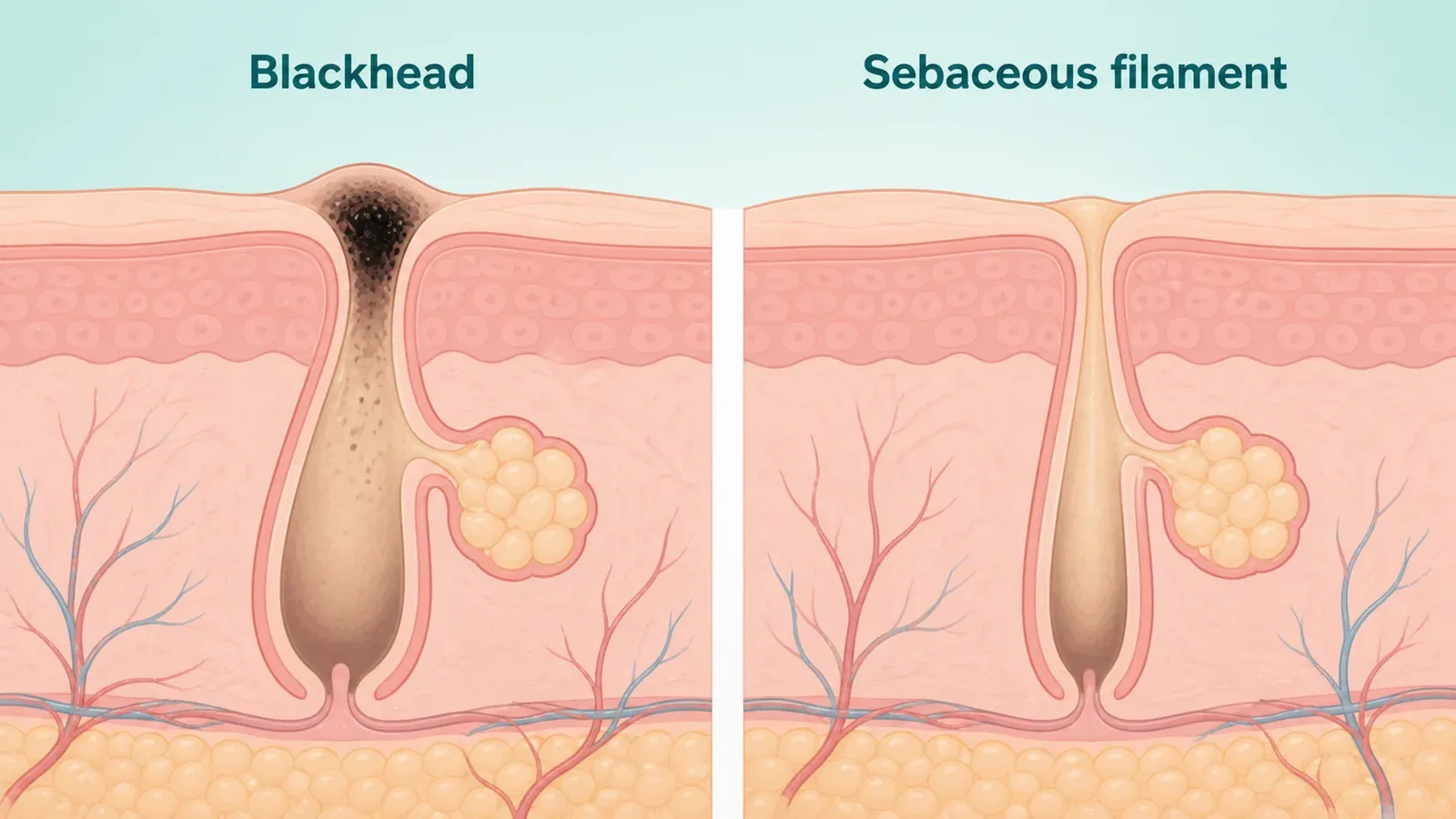
Blackheads are open comedones: a pore opening contains a plug of sebum and dead skin cells, and the exposed material darkens through oxidation. The color is not dirt.
Scrubbing harder does not remove the process that formed the plug, and squeezing can replace one small bump with inflammation, a scab or a lingering mark.
Sebaceous filaments are different. They are normal structures that help move sebum through the pore. They often look like many small, evenly spaced gray, tan or yellow dots across the nose and return quickly after extraction.
Treatment can make them less visible, but a promise to erase them permanently is unrealistic. Inflamed red pimples, painful nodules, milia and folliculitis also need different decisions.
Take a baseline photo instead of checking every hour
Use the same window light, camera distance and angle at week zero, week four and week eight. Daily mirror inspection magnifies normal variation and encourages picking.
A spaced comparison is more useful for deciding whether the number of visible plugs and new breakouts is trending down.
Choose one active: salicylic acid or adapalene
Salicylic acid is oil-soluble and can help loosen material within the pore. It is the simpler first choice when the main issue is blackheads and the teen is new to leave-on treatment.
Start with a low-frequency leave-on product rather than stacking an acid cleanser, toner, serum and spot treatment. More exposure raises irritation risk without proving that the routine works faster.
Adapalene is a topical retinoid used for acne. It helps normalize cell turnover and can prevent new comedones, but dryness and irritation are common during introduction. Apply a thin amount to acne-prone areas as directed, not only to individual dots.
It is not a quick extraction method. Teens who are pregnant, could become pregnant, use prescription acne treatment or have significant eczema should ask a clinician before choosing a retinoid routine.
Do not start salicylic acid and adapalene on the same night in week one. If irritation appears, you will not know which step caused it.
The American Academy of Dermatology explains that consistent use and enough time matter in acne treatment; see its acne treatment guidance and overview of types of breakouts.
Eight-week schedule
| Period | Active nights | What to monitor |
|---|---|---|
| Weeks 1–2 | Two non-consecutive nights weekly | Burning, persistent redness, peeling around nose or mouth |
| Weeks 3–4 | Every other night only if comfortable | Fewer new plugs, stable moisturizer tolerance |
| Weeks 5–8 | Continue the tolerated frequency | Trend in blackheads and inflammatory acne |
| Any week | Pause active treatment when skin burns or cracks | Return to cleanser, moisturizer and sunscreen |
The schedule is a conservative framework, not a command to reach daily use. Some teens do well at two or three nights weekly. Consistency at a tolerable frequency is more useful than a short aggressive burst followed by a long recovery.
Apply treatment to completely dry skin unless the label says otherwise, then moisturize. Keep it away from eyelids, lips and broken skin.
Keep morning and evening routines small
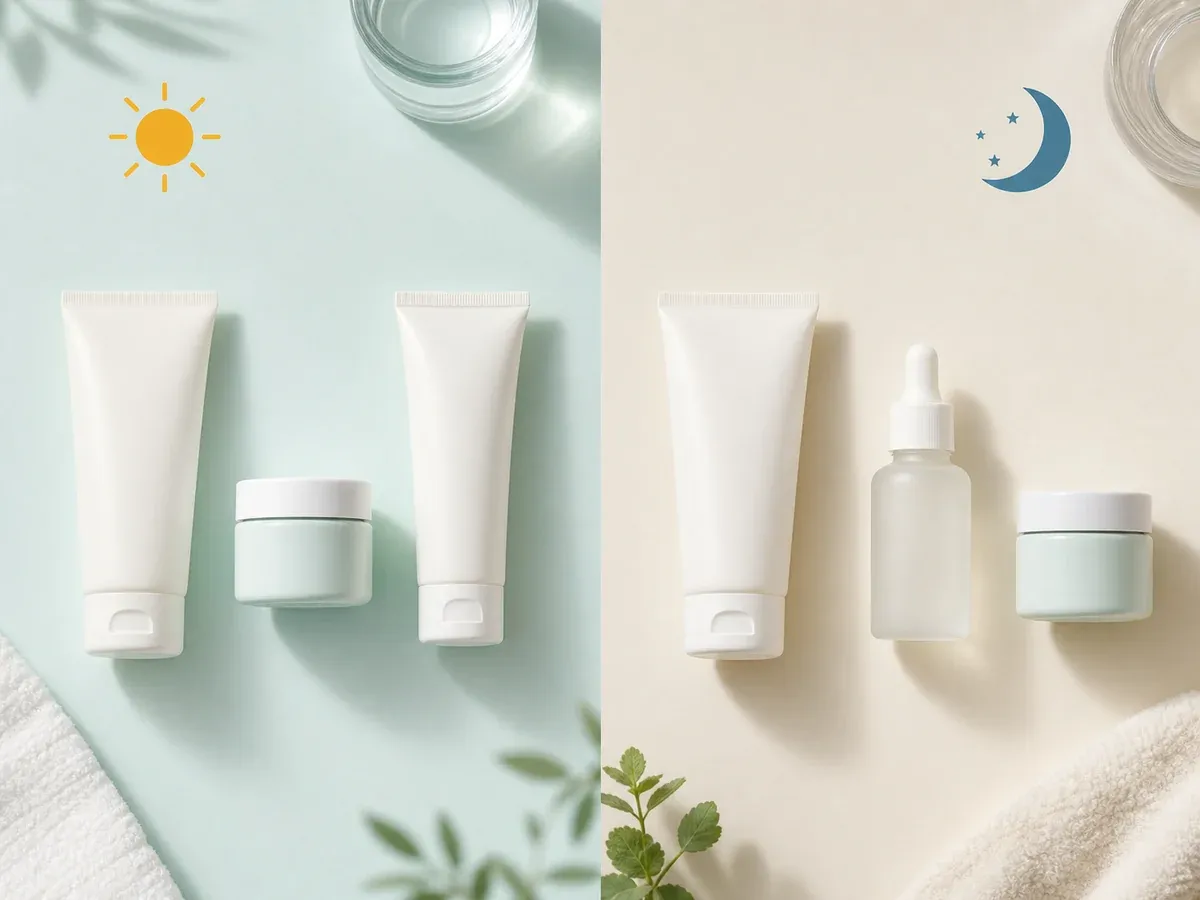
Morning
- Rinse or use a gentle cleanser if needed.
- Apply a light moisturizer when skin feels tight.
- Use broad-spectrum sunscreen and reapply as directed.
Evening
- Cleanse gently; remove sunscreen and makeup.
- Use the chosen active on scheduled nights.
- Finish with a plain moisturizer.
A routine can fail because it is too complicated, not because the active is weak. Grainy scrubs, cleansing brushes, pore strips, alcohol-heavy toners and repeated extractions can create irritation that looks like worsening acne.
A pore strip may remove surface material temporarily, but it does not prevent the next plug. Hydrocolloid patches help some inflamed pimples; they do little for a flat blackhead that has no fluid to absorb.
Compare the main options
| Option | Best role | Main limitation |
|---|---|---|
| Salicylic acid | Simple leave-on start for blackheads and oily pores | Can sting, peel or over-dry when stacked |
| Adapalene | Prevention of comedones and broader acne control | Slow results and an irritation-prone introduction |
| Professional extraction | Selected stubborn comedones | Does not prevent recurrence and must be hygienic |
| Pore strips | Temporary surface effect | No long-term prevention; irritation possible |
| Scrubs | Surface smoothing | Cannot reliably clear the pore and may inflame skin |
Two practical treatment examples
These products represent two different paths. A teen does not need both on day one. Choose the path that matches the concern, read the current label and keep the rest of the routine plain enough to judge tolerance.
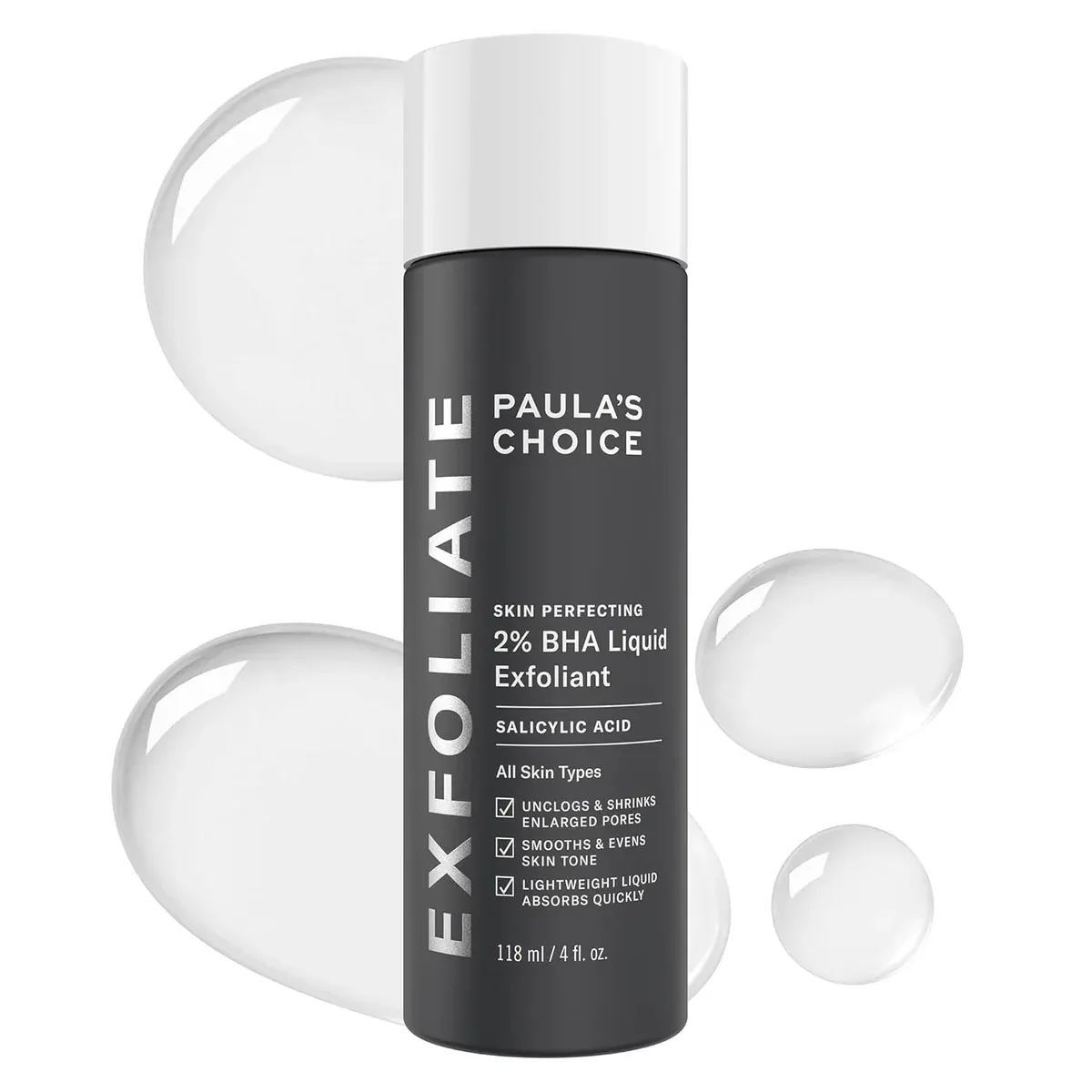
Paula's Choice Skin Perfecting 2% BHA Liquid
Best for: teens whose main issue is blackheads and who want a leave-on BHA
Why it fits: The 2% salicylic-acid format is easy to schedule on two non-consecutive nights and assess before increasing.
Before you buy: Leave-on acid can sting or peel. Do not stack it immediately with another exfoliant or retinoid.
Check current price on AmazonAs an Amazon Associate, SkinOptimizer may earn from qualifying purchases.
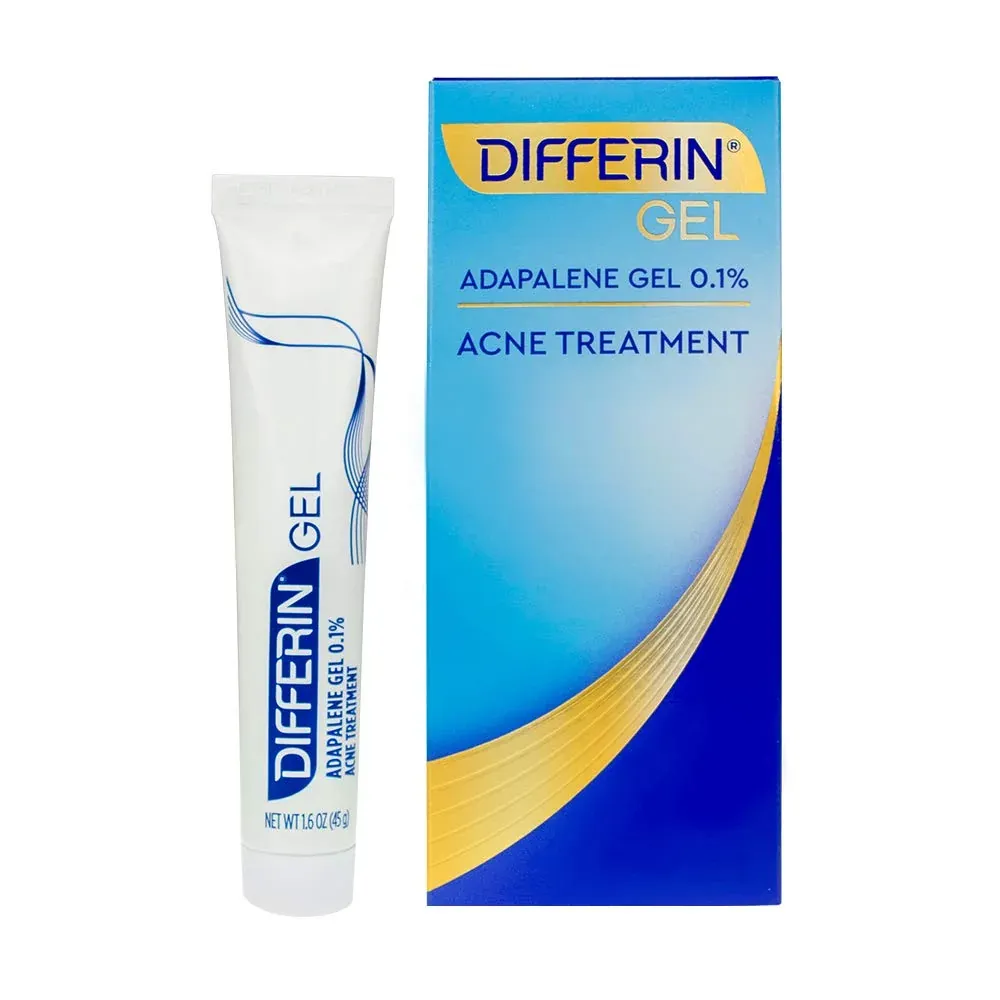
Differin Gel 0.1% Adapalene
Best for: comedonal acne that needs prevention as well as treatment
Why it fits: Adapalene is an evidence-based acne retinoid and can address blackheads plus other acne lesions over time.
Before you buy: Dryness is common. Follow the Drug Facts label and ask a clinician about pregnancy, eczema or prescription overlap.
Check current price on AmazonAs an Amazon Associate, SkinOptimizer may earn from qualifying purchases.
Cleveland Clinic's teen-acne overview recommends patience with acne treatment and explains when professional help is useful: acne treatment for teens. Mayo Clinic also provides a practical teen-acne education resource.
Do not let social media extractions replace medical care when acne is painful, scarring or affecting wellbeing.
What to do when the routine irritates
Mild dryness during the first weeks does not mean a teen must endure escalating discomfort. First stop the active for several nights and use only a gentle cleanser, plain moisturizer and sunscreen.
Avoid hot water, fragranced masks, exfoliating brushes and “drying” spot treatments while the skin recovers. When normal washing and moisturizer no longer sting, restart at a lower frequency if the reaction was mild.
Persistent redness, swelling, cracking or an itchy spreading rash is a reason to stop and seek professional advice.
Moisturizer does not cancel acne treatment. It often makes consistent treatment possible. Apply enough to relieve tightness and choose a texture that remains comfortable through school or sport.
If treatment repeatedly gathers in the creases beside the nose or mouth, protect those zones with moisturizer first and keep the active away from them. Do not compensate for missed nights by doubling the next dose.
Fit treatment around school, sport and makeup
A plan works only when it survives ordinary life. After sports, rinse sweat and cleanse gently when needed; repeated harsh washing can make the face feel oilier and more reactive.
Keep hair products and heavy styling waxes off acne-prone forehead skin, and wash pillowcases, helmet straps and makeup tools regularly without turning hygiene into blame. Acne is not proof that a teen is dirty.
Makeup can remain part of the routine. Remove it gently at night and look for products that are easy to take off without repeated rubbing. “Non-comedogenic” is a useful filter, not a guarantee.
Introduce one new cosmetic at a time so a breakout or rash can be traced. Sunscreen is especially important when active treatment or picking has left irritated skin and marks that darken after sun exposure.
Diet, stress and the myths that waste time
Food does not need to become a moral test. Some research links high-glycemic dietary patterns or certain dairy intake with acne in some people, but one snack does not explain every blackhead and restrictive diets can create other problems.
If a repeatable pattern seems plausible, discuss it with a parent, clinician or registered dietitian rather than eliminating multiple food groups from social-media advice.
Stress, sleep disruption and menstrual cycles can change oil production and inflammation, yet they do not make a teen responsible for having acne. Use those patterns to plan support, not to assign fault.
A calm routine, adequate sleep and hands-off habits can help, but evidence-based topical treatment remains the more direct blackhead strategy.
Change frequency before changing the entire product
If a useful active causes mild dryness, first reduce frequency and support the barrier. If it causes persistent burning, swelling or cracking, stop. Switching cleanser, moisturizer and treatment at the same time destroys the signal and makes every reaction harder to interpret.
When the plan needs a dermatologist
Seek professional help for deep painful bumps, scarring, widespread acne, sudden severe acne, signs of infection or major distress. Also seek help when an eight- to twelve-week consistent over-the-counter routine produces no meaningful improvement.
A dermatologist can confirm the diagnosis, prescribe treatment and address pigmentation or scars without relying on repeated picking.
For routine support, read our guides to acne-prone cleansers, teen-friendly moisturizers, acne-prone sunscreens, teen acne treatment options, beginner teen routines, teen skincare mistakes to avoid and barrier repair ingredients.
Parents can help by paying for a small stable routine, arranging medical care when needed and avoiding daily inspection or criticism.
Teens should have a voice in texture, schedule and budget because a theoretically perfect product that feels embarrassing, sticky or painful will not be used consistently.
Agree on the stop rules before treatment starts, then review progress at planned checkpoints rather than turning every new spot into an emergency.
Keep a short routine note with the active, frequency and any reaction. “Used BHA Monday and Thursday; mild tightness Friday” is more actionable than “skin was bad this week.”
Record menstrual-cycle timing, sport or a new hair product only when it may explain a repeatable change. The note is not a diary of every pore; it is a compact troubleshooting tool that prevents random product switching.
Use an Eight-Week Pore Plan
Start with one product and a written frequency. Salicylic acid may fit oily congestion, while adapalene may fit widespread recurring comedones when label and safety guidance support it.
Do not expect every nose dot to disappear. Sebaceous filaments are normal structures that refill, while blackhead treatment aims to reduce persistent open clogs.
- Mostly nose filaments: keep expectations realistic.
- Blackheads and oily congestion: consider salicylic acid.
- Widespread recurring comedones: consider adapalene guidance.
- Inflamed, painful or scarring acne: seek broader care.
Compare the Options Before Changing the Routine
Use this table to match the intervention to the visible pattern and to identify the limit that should stop unnecessary escalation.
| Skin pattern or option | Best next step | Important limit |
|---|---|---|
| Weeks 0-2 | Gentle base plus one pore-active | Start below daily use |
| Weeks 3-4 | Maintain if comfortable | Do not add a scrub |
| Weeks 5-8 | Compare photos and new clogs | Adjust only one variable |
| Any time | Escalate for pain or scars | Do not wait through worsening deep acne |
Adjust the Plan to Real Teen Life
School mornings reward a short routine that works even when time is limited. Keep the required products visible and in order, and move optional steps out of the way until the base routine is automatic.
Sports, helmets and heavy sweating change the exposure, not the biology of the skin. Rinse or cleanse gently after activity, clean reusable contact surfaces, and avoid compensating with rough cloths or extra exfoliation.
Cold weather, indoor heating and air conditioning can lower tolerance even when the underlying concern has not changed. Reduce active frequency when tightness appears instead of assuming the treatment has stopped working.
Makeup and shaving should be treated as separate routine variables. Remove makeup completely without repeated rubbing, and review shaving technique before applying stronger acne products to irritated follicles.
Budget also affects treatment quality because an unaffordable routine will not be repeated. Prioritize cleanser, moisturizer, sunscreen and one evidence-based treatment before spending on masks, mists or overlapping serums.
Travel and weekends should not require a second routine. Use the same essentials in smaller containers and keep the treatment schedule unchanged unless the environment affects tolerance.
Stress about appearance can also drive picking and constant mirror checking. Use neutral weekly photos, reduce magnifying-mirror time and involve a trusted adult or professional when skin concerns affect school, sleep or confidence.
Finally, build a stop rule before starting. Persistent burning, swelling, rash, painful cracking or a rapid increase in deep lesions is a reason to pause the newest product and seek qualified advice when appropriate. Clear rules protect both skin and consistency.
How to Test the Routine Without Losing the Signal
Keep cleanser, moisturizer and sunscreen stable while testing one treatment variable. When several products change together, a breakout, sting or improvement cannot be assigned confidently.
Use the same amount and schedule unless the label or a qualified professional says otherwise. More product or more frequent application can increase irritation without shortening the biological treatment timeline.
Set the Baseline
Record the main concern, current products and two photos in consistent light.
Protect Tolerance
Track tightness, burning, peeling and whether the routine is easy enough to repeat.
Judge the Trend
Compare new lesions and comfort over weeks, not the appearance of one day.
| Check point | What to assess | Decision |
|---|---|---|
| First 48 hours | Burning, swelling, rash or painful cracking | Stop the newest product and get advice when symptoms are significant |
| Weeks 1-2 | Comfort, dryness and whether the schedule is realistic | Reduce frequency before adding another active |
| Weeks 6-8 | Fewer new lesions, calmer texture or a clearer pattern | Continue, adjust one variable or seek professional help |
| Any time | Deep pain, scars, rapid worsening or major distress | Escalate care rather than waiting for a retail product to solve it |
A routine is not successful merely because it feels active. The useful outcome is a gradual improvement that the skin can tolerate and the teenager can sustain.
Do not measure success by tingling, dryness or how many steps were completed. Those sensations can reflect irritation, while the meaningful measures are fewer new lesions, better comfort, less picking and a routine that remains consistent.
Use weekly rather than daily comparisons because acne and oil fluctuate. A single stressful day, sports session or menstrual-cycle shift should not trigger a complete product change.
Write the planned review date on a calendar before starting. That simple boundary reduces impulsive switching and makes the final decision more evidence-based.
Do not wait through deep pain, scarring, rapid worsening or significant emotional distress. Those are reasons to seek professional care even when the planned test period is not complete.
Frequently Asked Questions About Teenage Blackhead Treatments
What is the safest blackhead treatment for teens?
A gentle base plus one gradually introduced pore-active is a practical approach. Salicylic acid and adapalene have different roles and irritation limits.
Are nose pore strips safe for teenagers?
Occasional use may remove surface material, but strips do not prevent clogging and can irritate sensitive skin.
Can teens use adapalene for blackheads?
Adapalene is an over-the-counter acne retinoid in the United States. Follow the label and seek professional advice for safety questions or significant irritation.
How long should teenage blackhead treatment take?
Judge the trend after about six to eight weeks of consistent, tolerated use rather than expecting one-night removal.
When are teen blackheads more than a cosmetic issue?
Seek help when blackheads occur with painful inflammation, scars, rapid worsening or significant distress.
This article is for informational purposes only and does not replace professional dermatological advice.